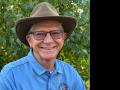
House - State Representatives serve in the Minnesota House of Representatives, the lower chamber of the state legislature. They write and vote on legislation to create, repeal, or change state laws affecting many issues, like health care, the environment, and the economy. They also vote on state taxes and state spending.
Rural healthcare and nursing homes must be protected from Medicaid cuts coming in January 2027.
In rural MN, EMS and fire are largely volunteer services. Designating these services as essential shows respect for the volunteers, and may open doors to funding for these struggling services.
Ag markets and input costs: Since tariffs, fuel costs, and fertilizer costs are heavily influenced by national and international factors, the state legislature's roll is restricted to provide economic incentives, assistance, and advise within the borders of MN. The legislature could speak with one voice to remove or lighten federal tariffs that wind up hurting our farmers and ranchers.
For agriculture, the legislature should support farmers and ranchers with continued funding of programs like Down Payment Assistance, Beginning Farmer Grant, and Rural Finance Authority.
For other businesses in rural MN, I suggest tiered regulations based on market size or town size or proximity to nearest competitor. Smaller businesses or businesses in smaller communities will have a better chance if there were fewer regulations to follow just to get started.
Racial and ethnic disparities are real; existing in student performance, home ownership, job opportunities, and family income. The differences are varied, so no one piece of legislation could be expected to address and resolve these disparities. It takes more of a mindset going into legislation to help with this--looking at each legislative action mindful of disparities and asking if each law addresses or perpetuates these disparities.
Absolutely. Long overdue.
For Minnesota, continue the honorable goal of carbon-free energy generation. To better facilitate this move, we should explore methods of energy storage--from batteries of various constructions (especially Fe-based and Na-based) to physical energy storage where water and topography allow pumping water using excess energy to a raised reservoir which is released for hydroelectric generation.
In light of the recent shooting at Shoreline Plaza, listen to police, apartment residents, and landlords to craft regulations that would streamline response to voiced and unvoiced threats of violence from a tenant, or anyone else in a community. Balancing constitutional rights and personal safety takes cogent, thoughtful consideration.
I support strict caps on campaign spending from all sources, whether or not a candidate signs on to abide by campaign regulations to qualify for public subsidy. All campaign fund sources must be publicly available. We should move toward full public funding of races, with no private funding option. Then all would have a fair shot at participating in democracy, not just the rich.
Candidate has not yet responded.
Candidate has not yet responded.
Candidate has not yet responded.
Candidate has not yet responded.
Candidate has not yet responded.
Candidate has not yet responded.
Candidate has not yet responded.