Campaign Phone Number
2533351851
Biography (max 750 char)
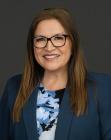
Claudia Kauffman made history as the first Native American woman elected to the upper chamber, serving from 2007 to 2011, before being re-elected in 2022. Her professional background includes decades working as Intergovernmental Affairs Liaison for the Muckleshoot Indian Tribe and serving as a dedicated advocate for children and families in the foster care and healthcare systems. As the Chair of the Business, Trade and Economic Development Committee, Claudia knows that a thriving state starts with a good job, which is why she has fought to lower everyday costs, housing prices and worked to fix a tax code that strains small businesses. She is running for re-election because a better, more affordable Washington is worth fighting for.
As we budget, it’s important to me that we’re not cutting services or investments that people rely on, or increasing the burden on working and middle-income families. I’ll continue to prioritize investing in small businesses and workers, reducing the tax burden on working families, investing in affordable housing opportunities for everyone, expanding behavioral and addiction-related treatment centers and making sure our community has the educational opportunities necessary to enrich the next generation of young people from pre-K to high school and through post-secondary programming, research and facilities. I believe that we can find additional revenue through avenues like the Millionaires Tax– ensuring we provide for people who need it by asking the very wealthy to pay their fair share.
Washington is lucky to have one of the best, most accessible voting systems in the country. Preserving and maintaining our mail-in voting is imperative to maintain a fair and accessible voting system. Our system has been proven to be safe and secure, but we can and must do more to increase public information about it. We also must continue to provide accurate guidelines for voters including information about how to fill out a ballot and important deadlines in the registration and voting process throughout the election cycle and to contain disinformation prior to and after the election.
A key state-level strategy is the facilitation of coordination and cross-agency support to address public safety and community well-being. We need to make sure data regarding high-crime areas is shared widely, local law enforcement is supported through adequate training and equipment, including intervention programming with community-based mediators and facilitators, and that we adequately fund behavioral health and substance-abuse facilities. Another way state-level agencies can improve public safety is to maintain strong relationships with local community organizations, behavioral health agencies, city councils and local law enforcement agencies. Together we can build a safer and healthier community for everyone.
The vitality of a democracy depends on journalism that is local, independent and reliable. There are too many “news deserts” in rural areas and small-to-mid-size cities making it difficult to receive information, highlight diverse perspectives and weave communities together. As the federal government has reduced funding for public media and disinformation is at an all-time high, it falls on state governments to find creative ways to support local journalism and to divert the revenue streams from the big-tech advertising industry back to state media sources. There are avenues to redirect funds from large social media platforms by providing grants to local media and news stations. These opportunities will preserve the power of the pen to tell the stories that mater most to Washington state.
I support the work of the bipartisan Washington State Redistricting Commission, but I believe there is room for improvement in the process we use to redistrict.. It is important to recognize how populations evolve and to make sure those are represented in Olympia. I believe that a fair and transparent process is critical to ensure that people feel seen, heard and accounted for in their respective communities.
Our district, like the greater Seattle area, faces challenges such as the rising cost of living, public safety concerns and providing reliable job opportunities. During my tenure as state senator, we have been able to reduce the burden of rent increases, expand staffing for police agencies and reduce the strain on small businesses through tax credits and tax reductions. The state government must invest in affordable housing opportunities for everyone, especially those on a fixed income like seniors and people with disabilities. We also must ensure that businesses continue to invest in education and job training, so workers are able to adapt to our ever-changing economic landscape.
Candidate has not yet responded.
Candidate has not yet responded.
Candidate has not yet responded.
Candidate has not yet responded.
Candidate has not yet responded.
Candidate has not yet responded.