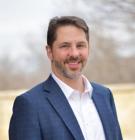
Education
Bachelor of Social Work, Stephen F. Austin State University; Plano Senior High School
Experience
Former Plano City Council Member and Deputy Mayor Pro Tem; small business owner; longtime civic and nonprofit volunteer and board member; Leadership Plano Class 30
Campaign Phone
214-649-8171
Growth requires planning ahead rather than reacting after roads, courts and public safety are overwhelmed. I would use data and long-range planning to anticipate needs, make responsible investments before problems become more expensive, and work closely with our cities and regional partners. Different parts of Collin County have different needs, but our goal should be the same: manage growth while protecting taxpayers and our quality of life.
We must invest in roads, but we cannot build our way out of every mobility problem. I would pursue practical options that connect people to jobs, education and healthcare. One idea is a pilot funded through the Regional Transportation Council (RTC), using Collin College campuses and major healthcare facilities as hubs, with local circulators and regional connectors. Testing actual demand could lead to partnerships with colleges, healthcare systems and employers. Transportation doesn't stop at city or county lines, so regional coordination is essential.
Every eligible voter should be able to vote confidently, and every legal vote should be counted accurately. Those goals are not in conflict. I support secure procedures, testing and auditing, trained election workers and transparency so the public understands how elections are conducted. We also need sufficient polling locations, equipment and staffing. I would like the county to evaluate returning to the electronic ballot-marking machines we used previously to improve efficiency and the voter experience while maintaining strong security, auditing and a voter-verifiable paper record.
My primary concern is ensuring public safety keeps pace with growth. That includes law enforcement, courts, emergency response and the people and technology supporting them. I would use data to anticipate needs, focus on recruiting and retaining qualified personnel, and strengthen coordination with our cities. We should also invest wisely in prevention and mental-health resources when they can reduce demands on law enforcement and our jail.
Preparation, accurate information and coordination are critical. The county should maintain strong partnerships with hospitals, healthcare providers, schools, cities and state agencies; prepare and train for emergencies; and monitor emerging threats. During an outbreak, residents need timely, trustworthy information. Decisions should be based on the best available medical and scientific information, with resources directed where they can protect the most people.
Preparation must happen before an emergency. The county should regularly update plans, conduct realistic exercises with cities and first responders, maintain redundant communications and ensure critical equipment and supplies are available. Cities, schools, hospitals, nonprofits, utilities and neighboring jurisdictions should understand their roles before a crisis. After each major event or exercise, we should identify lessons and improve the next response.
An effective justice system must protect the public while using resources wisely. I support adequate staffing for courts, prosecutors, law enforcement and detention facilities, along with efficient case processing. Appropriate diversion and treatment for nonviolent offenders can improve outcomes without compromising safety. Mental illness and substance-use disorders should not automatically become jail problems when safe, effective alternatives are available.
Fiscal responsibility will become even more important as Collin County grows. I would scrutinize major investments for long-term value, recognizing that spending wisely today can prevent higher costs later. I also believe the county can take a more strategic role in economic development, working with our cities and EDCs to identify the types of businesses and jobs we want to attract and where they can best be supported by existing or planned infrastructure.
Education
MBA from UT Austin, BS in Software Development from Western Governors University
Experience
6 years on Plano City Council, Career as a consultant in Digital Transformation and Marketing
Campaign YouTube URL
Campaign Phone
214-995-6969
We're one of the fastest-growing counties in the country, and we'll more than double in size, to more than 3 million people, in the next few decades. We need to plan the services and infrastructure for all those people before they get here.
I'm already working to help address many of our growth challenges, given my experience and numerous relationships with local elected officials, as well as at the state and federal levels.
As Commissioner, I'll also conduct long-term budget and investment planning and work with community leaders to ensure the need for county services is appropriately met.
With our rapid growth, mobility needs to remain a priority.
I'll work to accelerate completion of the Outer Loop, partner with local officials on important projects that span cities, such as needed north and south alternatives to Hwy 380, and leverage partnerships with TxDOT and state and federal officials to secure needed funding and construction.
Likewise, an area our size needs truly regional transit, to which DART is an obstacle. I'll continue advocating for DART reform and work with the cities and RTC to bring an effective solution that serves our communities.
The ability of the people to choose their elected representatives is fundamental to liberty and a prosperous society. As such, the integrity of those elections is critical.
Opportunities for bad actors to commit voter or election fraud must be eliminated as much as possible while ensuring that those who have the right to vote are able to do so.
Our county election standards and procedures are good, and I see the opportunity to upgrade our technology to preserve dual paper and digital trails, which helps prevent fraud and provides dual traceability to enhance public confidence.
By virtue of I-75, Collin County is already a nexus for drug, human, and sex trafficking heading north, and law enforcement is working hard. The larger and more prosperous we grow, the more opportunities criminals will have.
We can promote even greater interlocal coordination and information sharing. As smaller areas grow, they'll need more sophisticated prevention and response capabilities for more sophisticated crimes.
Likewise, the new Emergency Services District will fund fire and EMS, but we'll need satellite operations for areas far outside city limits to protect lives and property.
The greatest responsibilities of local government in the event of public health outbreaks are:
1) Ensure people have access to timely, accurate information and know where to find it.
2) Direct the public to available resources for prevention and treatment, coordinating and facilitating where necessary.
3) Protect residents and businesses from scams that invariably arise during public emergencies.
4) Keep public order in times of uncertainty and fear.
5) On an ongoing basis, build and maintain the public trust needed for the prior four things to work.
1) More multi-jurisdictional simulation exercises modeling a variety of natural and human emergencies, including 1,000 year events, rather than simply 100 year events.
2) Greater involvement of community partners in emergency preparedness and response planning (e.g., businesses and non-profits who can provide emergency shelter, so we already know where people can go).
3) Promote more local energy production so we are less reliant on the state. Likewise, transition to connected microgrids to reduce reliance on external energy transfer.
4) Enhance emergency water storage and distribution.
We can address three main areas:
1) Increase funding, training, and support of law enforcement to enable both better crime prevention and response, and to ease strain on our jail.
2) Recognize the unique needs of some groups and invest in more specialized programs and alternatives to incarceration, such as the Veterans Treatment Court, Teen Court, Mental Health Court, and others.
3) Promote greater community partnerships for things like job training and treatment for substance use disorder to improve the likelihood of rehabilitation and avoid recidivism.
We will face both water and energy shortages within the next decade. We aren't building water and energy infrastructure as fast as we're growing, and our security and prosperity depend on them.
I'm already working with government officials at every level on the issue. Ultimately, we need to promote greater awareness in the community and to thoughtfully take action.
The solution to the issue will have to address both supply and demand. We must invest more in water and energy production and transfer infrastructure, while promoting sustainable conservation measures to reduce reliance and usage.