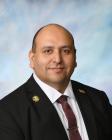
Description: The South Dakota State Legislature is the legislative branch of the government of South Dakota. It is a bicameral legislative body, consisting of the Senate which has 35 members, and the House of Representatives, which has 70 members. The two houses are similar in most respects; the Senate alone holds the right to confirm gubernatorial appointments to certain offices. The Legislature meets at the South Dakota State Capitol in Pierre. It begins its annual session of the second Tuesday of January each year. The legislative session lasts 40 working days in odd-numbered years, and 35 days working days in even numbered years.Term: 4 consecutive 2 year termsSalary: $16,348/year + $178/day for legislators who reside more than 50 miles away from the capitolRequirements for Office: 21 years old; 2 years residency; qualified voter; may not have been convicted of bribery, perjury or other infamous crime; may not have illegally taken "public moneys".Petition Requirements: Depends on party and legislative district. See SD Secretary of State's website for details.
Affordable housing is a crisis across South Dakota, from our urban centers to reservations like Rosebud. State government should partner with tribes and local governments to expand housing incentive programs, streamline zoning flexibility, and leverage federal dollars more effectively. I support workforce housing tax credits and low-income housing initiatives that are locally driven. Rural and tribal communities face unique barriers, infrastructure gaps, limited lending access, that require targeted solutions, not one-size-fits-all policy. We need honest conversations across party lines about what's working and what's not.
Every child in South Dakota deserves a quality education regardless of zip code. That means stable, fair funding formulas that don't shortchange rural and tribal schools. Pre-K investment pays dividends, the research is clear. At the K-12 level, we must address teacher shortages with competitive pay and loan forgiveness. For higher ed, affordability matters, tuition costs are driving students away or into debt. I also believe in vocational and technical pathways as equally valid options. Equity isn't a political talking point, it's a moral and economic necessity for our state's future.
South Dakotans have a proud tradition of direct democracy, it's a check on the legislature that I respect. When voters speak clearly, we should honor that. I have concerns when the Legislature revisits or weakens voter-approved measures shortly after passage. That erodes trust. I'd support reasonable updates that protect ballot access for average citizens, guard against out-of-state money dominating our process, and ensure clear, understandable ballot language. Changes should strengthen democracy, not restrict it. This process belongs to the people of South Dakota, not to politicians or special interests.
I believe in both ballot access and election integrity, these are not competing values. I'll be watching closely to ensure recently passed laws don't create undue burdens for voters in rural and tribal communities, where ID access, transportation, and mail service can be real barriers. Tribal voter suppression is a documented, ongoing issue. I support robust voter rolls, secure systems, and bipartisan oversight, but security measures must not be used as cover for disenfranchisement. Every eligible South Dakotan deserves an equal, accessible path to the ballot.
Childcare is infrastructure. Parents, especially mothers, cannot enter or stay in the workforce without reliable, affordable childcare. South Dakota faces a childcare desert problem that hurts families and our economy. State government should expand subsidy programs, support childcare workforce development, and incentivize employer-provided options. Tribal communities face compounded access challenges that deserve targeted investment. This isn't a partisan issue, business community leaders and working families agree, we need action. Smart childcare investment today creates stronger families, stronger workers, and a stronger state tomorrow.
South Dakota's most pressing challenges are interconnected: healthcare access, especially in rural and tribal areas where EMS and primary care are stretched thin; workforce shortages across healthcare, education, and trades; and the persistent poverty and inequality on our reservations. We also face a growing behavioral health crisis and the quiet erosion of trust in government institutions. These require honest, sustained leadership, not election-year promises. I'll keep working across the aisle on practical solutions, because the people of South Dakota can't afford for us to get caught up in politics over progress.