Campaign Phone
810-444-3206
Occupation
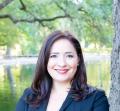
Judge of the 325th District Court
BA in Research Psychology, University of Michigan; JD, Cooley Law School; 2 years as judicial advisory assistant to the chief judge, Genessee County, Michigan; appointed one year as magistrate; practice areas included family law, criminal defense, real estate, and civil litigation; 4 years as Associate Judge, 323rd Juvenile Court; four years as Judge of the 325th.
My life experience raised in a working class home in Flint, Michigan and attending Catholic primary school, coupled with my nearly 20 years of broad legal experience, both off and on the bench, has given me a unique skill set that is an asset in our family courts. My father, an immigrant from Mexico City, and mother (a daughter of immigrants) instilled in me the value of service, giving back, and hard work. Our families need empathetic judges with vast life and legal experience.
Judges can use social media to publicly provide information to litigants without giving legal advice on a particular case. Criminal, family, and juvenile courts are equipped with services for the indigent, including court-appointed counsel when the law allows or requires, and translation services for those who do not speak English. Self-represented litigants in the 325th get an information packet when filing a case. Find more ways to publicize court and community resources.
It takes a proactive judge with a good staff team to avoid or eliminate backlog. In complex cases, the litigants and attorneys need longer to properly prepare the case for resolution. I spend hours each week studying cases in an attempt to prioritize them and get them resolved efficiently. When cases settle, if it’s feasible, others hearings or trials should be set to use that time. This is a large reason I am able to set trials within weeks or months, rather than a year or more out.
Following the law and keeping my oath. It does not matter who contributes to my campaign. To me, a campaign contribution means that person trusts me to follow the law and not abuse the discretion the law provides. A contribution is not by definition a bribe and I have no hesitation issuing a ruling that disappoints a contributor if the law, as applied to the facts of the case, requires.
Cost of litigation will continue to be an issue. One way to lower costs is having a judge who knows how to move cases faster, when possible. We have a worsening mental health problem in this world. We need judges who understand that and who take time not only to keep abreast of the legal part, but also who take a proactive role in learning about community mental health services and supporting non-profit mental health organizations. I am that judge.
Campaign Phone
8179160381
Occupation
Attorney
I earned my undergraduate degree from Dallas Baptist University and my law degree from Texas Tech University School of Law in 2007. I have practiced law in Texas for 19 years, including 11 years operating my own firm, and have handled thousands of family-law matters involving divorce, custody, support, property division, enforcement, modification, and appeals.
For 19 years, I have worked in Texas courtrooms, primarily in Tarrant County, representing families through consequential disputes. I have handled thousands of family-law cases, argued appeals, managed my own practice for 11 years, and represented both petitioners and respondents. That experience taught me the importance of preparation, timely hearings, clear rulings, due process, and treating every person with dignity. I will apply the law and facts fairly, impartially, and without bias.
Access to justice requires more than an open courthouse door. Hearings should be timely, procedures understandable and consistent, and rulings clear so families know what is expected. The court should use technology appropriately, provide meaningful access for self-represented litigants and people with disabilities or language barriers, and avoid unnecessary delays and repeat appearances. Justice should not depend on a person’s income, background, neighborhood, or ability to hire counsel.
Justice delayed is justice lost, but speed cannot replace due process. I would use firm, realistic scheduling orders; meaningful status and pretrial conferences; prompt settings for emergency and older cases; and separate agreed or uncontested matters from trials requiring substantial time. Enforcing deadlines, preparing before hearings, using remote proceedings when lawful and appropriate, and issuing clear, timely rulings can reduce unnecessary resets and repeat appearances.
Campaign contributions must never affect access, judicial judgment, or treatment. I would disclose potential conflicts, follow contribution and reporting laws, recuse when required, and ensure donors receive no special consideration. Every ruling must rest on the law, admissible evidence, and the facts—not party, popularity, relationships, or campaign support. I would avoid both actual impropriety and its appearance because public confidence depends on visible independence and impartiality.
Tarrant County’s growth will bring heavier dockets, more self-represented litigants, and complex family cases involving children, domestic violence, mental health, and substance abuse. The court should use consistent procedures, plain-language guidance, timely temporary hearings, and neutral professionals when authorized and appropriate. Each case must receive attention, due process, and decisions based on its evidence, with children’s safety and best interests considered as the law requires.