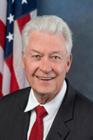
Age
73
Education
Oxford College of Emory University, BS Mathematics
Hometown
Palm Beach County
County
Palm Beach County
Our state's rapid population growth drives our two most critical challenges: managing infrastructure concurrency and lowering housing costs. Smart Infrastructure & Concurrency: Florida must ensure that community growth matches public investment. We need to leverage Our state's tax revenues responsibly to
fund essential infrastructure—such as widening and building roads—together with new home construction so that Our neighborhoods do not become overcrowded. Expanding Workforce & Affordable Housing: While the Legislature significantly increased funding for the Sadowski Trust Fund, we must continually review our progress. Within my first six months, I will advocate for refining incentive formulas to actively reward counties that successfully streamline and build entry-level homes. Expanding supply is the most effective way to stabilize an overheated housing market and help young families and working professionals put down roots.
Ensuring secure elections is vital, but exercising the right to vote should never be hindered by bureaucratic red tape or prohibitive costs—especially for homemakers, seniors, or single mothers who may face challenges locating vital records. While Florida's identification updates under the SAVE Act will clearly mark citizenship status, obtaining foundational documents should be seamless. While birth certificates can be
requested online or at local libraries in minutes, cost remains a barrier. I would strongly support legislation to lower or waive fees for legal residents with proof of domicile, ensuring that financial hardship never prevents a qualified citizen from participating in our democracy.
Family financial security starts with curbing unnecessary government burdens. A major driver of our high cost of living in Palm Beach County is property taxation. I consistently oppose additional "penny taxes" for localized school or infrastructure initiatives that drive housing and rental expenses. To bring relief to both homeowners and renters, we must prioritize pro-growth state policies that cut red tape for builders, protect private property rights, and foster public-private partnerships to increase the supply of workforce housing without expanding the Size and scope of local government.
I am proudly pro-life and believe that every life has intrinsic value. personally, I believe unplanned pregnancies carry profound responsibilities, and I would always counsel members Of my own family to carry a pregnancy to term and consider adoption if they felt unable to parent. Legislatively, my record reflects a balanced approach: I voted for Florida's 15-week ban in 2022 but voted against the 6-week ban in 2023 because I felt it was politically motivated and did not give first-time mothers enough time to realize they were pregnant. I fully support Florida's current Statutory exemptions, which protect life and health:
To save the pregnant mother's life or prevent substantial, irreversible physical harm (certified by two physicians). In cases of fatal fetal abnormalities before the third trimester. Up to 15 weeks in tragic circumstances involving rape, incest, or human trafficking, supported by official documentation.
State preemption is sometimes necessary to prevent a patchwork of conflicting local regulations that disrupt commerce, raise consumer prices, and hurt working families. For example, I supported the Live Local Act to override restrictive local zoning laws that block the rapid development of affordable housing. Similarly, I supported statewide standards that protect reliable energy choices, like natural gas, and ensure uniform, sensible statewide business practices. Consistency at the state level keeps Florida economically competitive and protects everyday consumers from arbitrary local cost increases.
Post-pandemic adjustments have naturally shifted Medicaid enrollment back to pre-2020 baselines as eligibility guidelines are re-verified. Florida's strict income caps ensure that our safety-net resources are preserved for our most vulnerable residents—including children, seniors, and individuals with disabilities.
State policy should focus on a hand-up, not just a handout. We must maintain temporary, compassionate assistance for those in a true crisis while promoting economic independence through job training and higher wages, empowering individuals to transition successfully into private healthcare coverage.
I hear about property insurance constantly from local families, and they are entirely right to be concerned—it is one of the biggest threats to family budgeting and homeownership stability in Florida. While property taxes have risen due to several years of high inflation impacting labor and construction materials, the crisis in our property insurance market is primarily driven by excessive litigation and regulatory costs. To bring financial relief to homeowners, our top legislative priority must be comprehensive legal reform to curb frivolous lawsuits, stabilize the insurance market, and drive down monthly premiums for Florida households.
Age
47
Education
BSBA, University of Florida and JD/MBA, University of Miami
Hometown
Miami Beach
County
Miami Dade
Instagram
davidsilvers_2026
Campaign Phone
(561)689-9787
Housing affordability and affordable healthcare, during my time in the House of Representatives I sponsored legislation to protect the affordable housing trust funds and once elected to the State Senate I intend on filing legislation to provide a statewide workforce housing program to work with local county commissions on a workforce housing program. I also plan to file legislation to expand medicaid, far too many Floridians are having to make decisions on whether to pay for rent or their medication and that just isn't right. As a legislature, we need to do better.
Florida elections are already a national model for counting votes accurately and running transparent elections, and our current voter ID system works well. However, if the federal government passes a mandate requiring documentary proof of citizenship to register, Florida must ensure common-sense protections, so legitimate voters aren’t blocked by red tape and fees.
To help Floridians, especially married women whose current legal names differ from their birth certificates, we should implement practical solutions:
1. Allowing voters to sign a sworn, legally binding affidavit under penalty of perjury attesting that the name on the birth certificate and the current legal name belong to the same person, and
2. Electronic cross-checks between state driver’s license (FLHSMV) and vital records databases to verify citizenship automatically without charging fees for replacement certificates.
We can keep elections secure without creating unnecessary hurdles for law-abiding citizens.
Solving Florida’s housing crisis requires addressing the root cost drivers that make building and living here so expensive.
First, we must expand the availability of homeowners insurance. When coverage is scarce, lenders can’t write mortgages, landlords pass high carrying costs to renters, and builders face steep financing hurdles. Attracting competitive private insurers is foundational to affordability.
Second, we must streamline the permitting process. When site plans and building permits stall for months, holding costs and interest inflate the final price of both single-family homes and multifamily units. Enforcing strict review deadlines cuts unnecessary red tape and lowers construction costs.
Finally, we must ensure state housing trust funds remain fully dedicated to SAIL for multifamily supply and SHIP for down-payment assistance.
Most Floridians believe in a common-sense balance: protecting personal medical privacy and healthcare in early pregnancy, paired with reasonable limits later on and clear protections for families.
I oppose rigid six-week bans that take effect before many women even know they are pregnant. Politicians should not micromanage private medical decisions or stand between a woman, her family, and her doctor.
I support access to safe, legal healthcare consistent with a standard 15-week framework while recognizing limits later in pregnancy, except when a mother’s life or health is at risk or in cases of fatal fetal abnormalities, rape, or incest. Doctors should never face criminal penalties for providing emergency care. I also support expanding access to contraception, prenatal care, and affordable childcare.
Floridians want a sensible approach that respects personal freedom, protects women's health, and rejects extremes.
Statewide consistency helps prevent a confusing patchwork of regulations that hurts small businesses and helps tackle major regional challenges like workforce housing supply. However, Tallahassee shouldn't micromanage hyper-local issues, such as neighborhood land use, infrastructure planning, and public safety priorities where municipal and county officials are closest to the people.
Moving forward, we must redefine this dynamic as a true partnership, not top-down overreach. The Legislature should set fair regulatory baselines and incentivize cooperation, while protecting home-rule flexibility so local communities can tailor solutions that work best for their residents.
Addressing healthcare affordability as federal subsidies shift requires a balanced approach that protects vulnerable Floridians while safeguarding state taxpayers.
First, we must expand the healthcare workforce and provider supply. Building on the "Live Healthy" framework, increasing residency slots, expanding loan forgiveness for doctors in underserved areas, leveraging telehealth and "hospital-at-home" models can lower overhead and ensure preventive care is accessible before costly emergency room visits occur.
Second, we should stabilize the private insurance market. Exploring state-based reinsurance mechanisms and allowing small businesses to pool risk through association plans helps keep individual premiums attainable without relying solely on fluctuating federal funding.
Finally, we must modernize Medicaid delivery through value-based care, preventive screenings, and fraud prevention. By focusing on efficiency, Florida can control program costs while preserving vital coverage.
Polls must always be viewed with care; results often shift depending on the question's wording & who is sampled. However, the underlying sentiment across Florida is unmistakable: property taxes are a predictable annual line item, while soaring insurance premiums are unpredictable costs that threaten family budgets & housing stability.
Property taxes fund essential local services like first responders, roads, schools, & Florida already provides tools like the Save Our Homes cap to limit tax spikes. Insurance rates, by contrast, have escalated rapidly without corresponding local benefits, making coverage unattainable for many.
We must tackle both, but lowering insurance costs demands immediate focus. The state must do more by increasing reinsurance capacity, attracting stable private insurers to foster real market competition, & ensure reforms translate into premium relief for policyholders. Addressing insurance volatility is the most urgent step to making Florida affordable again.