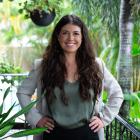
Age
32
Education
J.D., Stetson University College of Law
Hometown
Wayland
County
Allegan County
Instagram
www.instagram.com/lpqforfl
Campaign Phone
727-632-4577
1. The cost of living, including rising housing, grocery, utility, insurance, and childcare costs. 2. Rampant corruption. Many in our community are working harder than ever but still can’t afford gas and groceries, and are struggling to stay in their homes. The cost of auto, health, and homeowners insurance has skyrocketed and continues to fail policyholders. It’s left Floridians paying two mortgages, lacking transparency, stuck in litigation, and without a safe place to live after Hurricanes Helene and Milton. Insurance premiums have remained high, and special interests on all sides have left Floridians to foot the bill. When in office, I’ll work to enact common-sense solutions to lower costs and allow hardworking Floridians to keep more money in their pockets.
Non-citizen voting is illegal, and creating an additional documentary proof requirement is an unnecessary, costly burden passed on to us. Many women change their names after marriage, so their birth certificates show their maiden names while their IDs reflect their married names. Changing names and getting passports is expensive, and Floridians don’t need another cost right now. It also burdens seniors and those still piecing their lives back together after losing important documents in storms. If documentary proof becomes a requirement to vote, I will continue to advocate for free and fair elections across the State and keep working for equitable access to the voting box for all qualified voters, as is our right.
Unlike many parts of Florida, Pinellas County has little undeveloped land left to build on. That means our housing solutions must focus on thoughtful redevelopment that makes the most of existing neighborhoods and infrastructure. We need policies that make homeownership attainable for working people while increasing the housing supply in ways that help lower rents, without sacrificing the character, safety, and quality of our communities. These projects should be attainable, resilient, and maintain the quality and character of our neighborhoods. Additionally, the Legislature should fully fund the Sadowski Affordable Housing Trust Fund at the state level, which has been ‘swept’ for other priorities in years past.
Healthcare decisions should remain between patients and their doctors, and should be made without political interference. This includes family planning decisions like IVF and access to contraception. How a family grows depends on families being able to make informed healthcare decisions with those they trust most.
Statewide, one-size-fits-all policies from Tallahassee silence residents and their local elected officials, stripping them of the power to make their own decisions. I will fight to preserve the balance between statewide policy and local freedoms so that working people, small businesses, and our families can enact changes that fit their individual communities’ needs.
Your health and access to care when you need it should come before corporate profits. But healthcare costs are skyrocketing, policies are confusing, and insurance companies don’t provide clear and transparent pricing; then, they deny the care you paid for. This is particularly problematic as federal insurance subsidies continue to decrease. Giving more working Floridians access to healthcare would boost productivity, lower the cost of care for those who already have insurance, and give people the peace of mind that their hard work has earned. This is why policy should be centered on transparency and accountability when issuers try to deny valid claims.
In many cases, property insurance presents an equal or higher cost burden on Floridians. Having spent years working inside Florida's insurance and legal systems, I understand how insurers operate, where that system fails families and small businesses, and how policy can make a difference. Florida’s insurance market needs transparency and accountability, including stronger oversight of claims practices. Reforms should balance people's ability to access justice in the courts with more efficient options for settling cases. Ultimately, this will reduce rates for homeowners and renters. The goal should be a system that resolves legitimate claims fairly and efficiently long before they reach a courtroom, while preserving access to justice when disputes can’t be resolved. I’d also explore ways to strengthen flood insurance options as Florida’s storm risks continue to grow.
Age
47
Education
St Pete High; Flagler College -Bachelor of Arts, Business Administration; Wharton School- Women in Business Leadership Program
Hometown
St. Petersburg, FL
County
Pinellas
Instagram
www.instagram.com/votemelissarutland/
LinkedIn
www.linkedin.com/melissarutland
Campaign Phone
727-803-1177
Florida's two most urgent challenges are affordability and aging infrastructure. Families across our state are struggling to keep pace with the rising costs of housing, insurance, utilities, and everyday necessities, while flooding, stormwater systems, roads, and other critical infrastructure have not kept pace with growth. In my first six months, I will work across party lines toward making an impact on affordability, increasing housing supply, pursuing lower food costs and farmland, hold insurers accountable, expand hurricane-mitigation programs, and pursue meaningful tax relief. I will also work toward next-generation infrastructure and for Pinellas County's fair share of state infrastructure funding, prioritizing projects that improve drainage, protect drinking water, reduce flooding, and strengthen our communities against storms. With my extensive experience in real estate, I will be able to make a real impact in both issues of affordability and next-generation infrastructure.
Only eligible United States citizens should vote, but eligible Floridians should not lose that right because records are difficult or expensive to obtain - particularly women whose names have changed through marriage or divorce. If documentary proof becomes mandatory, the state should provide a no-cost verification system, coordinate electronically with existing government records, waive document fees, and offer assistance through local election offices. Voters should also receive adequate notice and a reasonable opportunity to correct documentation problems. Election security and voter access are not competing goals; Florida can protect both.
As State Representative, I will work to address affordable housing on all levels of need and AMI. I recognize that the state legislation has allocated significant appropriation to housing subsidies. I support that funding while at the same time tying that money to meaningful policy changes that would create affordable housing naturally and create the most benefit for the most number of people. Florida must increase the supply of housing that working families, seniors, and young people can afford. I support encouraging public-private partnerships, streamlining unnecessarily lengthy approval processes, reforming permitting and supporting responsible infill development near jobs and transportation. We should also expand down-payment assistance, preserve existing housing, and encourage housing options for seniors and essential workers. With decades of experience in commercial real estate, I understand how to bring the public and private sectors together to turn good plans into new homes.
I support Florida law as it currently stands, including its existing exceptions to save the life of the mother or prevent a serious and irreversible physical injury, as well as exceptions involving fatal fetal abnormalities, rape, incest, and human trafficking. These deeply personal and often heartbreaking circumstances should be approached with compassion. The law must also be clear enough that physicians can provide necessary emergency care without dangerous delays or uncertainty.
The state has a legitimate role in matters requiring consistent statewide standards, but Florida's communities are diverse and many decisions are best made locally. The balance has shifted too far toward broad state preemption in some areas. Before overriding local authority, the Legislature should identify a clear statewide need, consider the financial and practical effects on communities, and tailor the law as narrowly as possible. As a general principle, decisions about local growth, infrastructure, public safety, and quality of life should remain closest to the people they affect.
Florida should protect healthcare access while being responsible with taxpayer dollars. I support pursuing federal flexibility through Florida-specific waivers, protecting Medicaid services for children, pregnant women, seniors, and people with disabilities, and ensuring that eligible residents do not lose coverage because of confusing paperwork. We should expand community health centers, telehealth, preventive care, and workforce programs that bring more doctors and nurses to underserved communities. Florida should also demand transparency from insurers, hospitals, and pharmacy benefit managers so that public funding reaches patients and providers rather than being lost to unnecessary administrative costs.
I agree that property insurance is the more immediate crisis for many Floridians. A homeowner may be able to plan for gradual tax changes, but an insurance premium can increase by thousands of dollars at renewal - or coverage may disappear altogether. That affects mortgage payments, rents, home sales, and the ability of families and seniors to remain in their homes. High insurance rates is also a factor that is driving up the cost of building new housing and apartments. Florida must hold insurers accountable, improve transparency in rate-setting and claims handling, crack down on fraud, expand home-hardening assistance, and attract responsible competition. Property-tax relief remains important, but it cannot substitute for a stable and affordable insurance market.