Change Address

VOTE411 Voter Guide

Wisconsin Assembly, District 81/Asamblea de Wisconsin, Distrito 81

Wisconsin Legislative BranchWisconsin’s legislature makes state laws. The legislature has two houses: the Wisconsin Senate and the Wisconsin Assembly. Proposed laws (bills) can originate from either the state senate or assembly. Both houses must approve the bill before it is passed on to the governor for signature or veto. The legislature can override a veto with a two-thirds majority vote in each house. The legislature controls the spending of state funds through appropriation.Wisconsin AssemblyThe Wisconsin Assembly has ninety-nine representatives. Voters elect representatives to represent their assembly district for a two-year term. There is no term limit.__________Poder Legislativo de Wisconsin La legislatura de Wisconsin produce las leyes estatales. La legislatura consta de dos cámaras: el Senado de Wisconsin y la Asamblea de Wisconsin. Las propuestas de ley pueden originarse tanto en el Senado estatal como en la Asamblea. Ambas cámaras deben aprobar el proyecto de ley antes de transmitirla al gobernador para su firma o veto. La legislatura puede anular un veto con un voto mayoritario de dos tercios en cada cámara. La legislatura controla el gasto de los fondos estatales a través de las leyes de asignación. Asamblea de WisconsinLa Asamblea de Wisconsin tiene noventa y nueve representantes. Los votantes eligen representantes para representar a su asamblea de distrito por un término de dos años. No hay límite de términos.Nota: Las respuestas de los candidatos que aparecen en español se tradujeron de las respuestas originales de los candidatos en inglés.

Click a candidate icon to find more information about the candidate. To compare two candidates, click the "compare" button. To start over, click a candidate icon. To rank a candidate, click the "rank" button.

Ranked Candidates

{_getRcvHelpLabel()}

All Candidates

  • Candidate picture

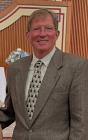
    Alex Joers
    (Dem)

  • Candidate picture

    Mark S. Maier
    (Rep)

Biographical Information

Please describe your priorities for your term in office and your specific qualifications to effectively address those issues.

What do you see as the most pressing housing-related issue in Wisconsin, and what policies, if any, would you support to address the issue?

What redistricting process, if any, do you believe the legislature should put in place before the next national census to ensure fair representation for voters?

What, if anything, will you do to ensure our schools have the resources to improve outcomes for its students, including those with disabilities?

What guardrails, if any, would you support to protect our environment, health, property values, and household budgets from large projects such as hyperscale data centers and Concentrated Animal Feeding Operations (CAFOs)?

Committee Alex for Wisconsin
Campaign Email alexforwi@gmail.com
Campaign Phone 6086986643
Campaign Mailing Address 5535 Galway Dr
Waunakee, WI 53597-8414
Campaign Twitter Handle @alexjoers
Education University of Wisconsin - La Crosse
Personal Pronouns he him his
Campaign Announcement http://alexforwi.com/news
When I ran for office, I promised to show up, do the work, and fight for the people of this district every day. That commitment continues to guide my service. My priorities for the next term are improving lives through paid leave and childcare, protecting our rights and freedoms, strengthening public schools, supporting small businesses and farmers, and ensuring government works for people rather than the billionaires. My qualifications are rooted in a proven record of delivering results in a challenging political environment. Even in one of the previously most gerrymandered legislatures in the country, I have built bipartisan relationships, found common ground, and advanced meaningful policies that improve people's lives.
The most pressing housing issue in Wisconsin is affordability driven by a shortage of housing, especially in fast-growing communities like Dane County. Too many families and workers are being priced out as supply has not kept pace with demand. We must increase workforce housing supply through continued state investment that helps communities build more housing in a sustainable way. At the same time, we need to address rising property taxes that are putting additional pressure on homeowners and renters alike. Adequate shared revenue is also essential so municipalities can maintain core services without shifting more costs onto local taxpayers. These steps are necessary to keep Wisconsin affordable, stable, and accessible for working families
Wisconsin voters now have an opportunity to elect a more balanced legislature, and we should match that with a fair redistricting process that puts voters, not politicians, at the center. I support an independent redistricting commission made up of members with diverse backgrounds, geography, and ideological perspectives, drawing maps through a transparent, nonpartisan process. Legislators should not have final approval or the ability to amend the maps. The goal should be consensus-driven maps that prioritize compactness, keeping communities of interest together, encouraging competitive districts, and reflecting Wisconsin’s political balance so voters can choose their representatives, not the other way around.
Ensuring our schools have the resources to improve student outcomes starts with fixing Wisconsin’s broken school funding formula and investing in kids from cradle to career. We should fully fund public education instead of shifting costs onto local property taxpayers. School funding should be tied to inflation so districts can keep pace with rising costs and properly support students and staff year over year. For public schools, we must provide a sustainable funding increase and make special education reimbursement sum sufficient so districts are fully supported in meeting students’ needs. Students with disabilities deserve strong, consistent support, and schools should not be forced to shoulder these costs without adequate state investment
Data centers & CAFOs should come with clear guardrails to protect the environment, public health, property values, and household budgets. We should require strong, enforceable standards that protect clean water, including safeguards against water pollution. Projects should also undergo robust, transparent siting and local input processes so communities have a real voice in decisions. We must ensure full accountability for pollution and require developers to bear the costs of infrastructure strain instead of local taxpayers. We should continue investing in conservation, renewable energy, & land protection to reduce flooding risks and preserve nature. Responsible development means balancing economic growth with stewardship of our environment.
Candidate has not yet responded.