Change Address

VOTE411 Voter Guide

Wisconsin Assembly, District 40/Asamblea de Wisconsin, Distrito 40

Wisconsin Legislative BranchWisconsin’s legislature makes state laws. The legislature has two houses: the Wisconsin Senate and the Wisconsin Assembly. Proposed laws (bills) can originate from either the state senate or assembly. Both houses must approve the bill before it is passed on to the governor for signature or veto. The legislature can override a veto with a two-thirds majority vote in each house. The legislature controls the spending of state funds through appropriation.Wisconsin AssemblyThe Wisconsin Assembly has ninety-nine representatives. Voters elect representatives to represent their assembly district for a two-year term. There is no term limit.__________Poder Legislativo de Wisconsin La legislatura de Wisconsin produce las leyes estatales. La legislatura consta de dos cámaras: el Senado de Wisconsin y la Asamblea de Wisconsin. Las propuestas de ley pueden originarse tanto en el Senado estatal como en la Asamblea. Ambas cámaras deben aprobar el proyecto de ley antes de transmitirla al gobernador para su firma o veto. La legislatura puede anular un veto con un voto mayoritario de dos tercios en cada cámara. La legislatura controla el gasto de los fondos estatales a través de las leyes de asignación. Asamblea de WisconsinLa Asamblea de Wisconsin tiene noventa y nueve representantes. Los votantes eligen representantes para representar a su asamblea de distrito por un término de dos años. No hay límite de términos.Nota: Las respuestas de los candidatos que aparecen en español se tradujeron de las respuestas originales de los candidatos en inglés.

Click a candidate icon to find more information about the candidate. To compare two candidates, click the "compare" button. To start over, click a candidate icon. To rank a candidate, click the "rank" button.

Ranked Candidates

{_getRcvHelpLabel()}

All Candidates

  • Candidate picture

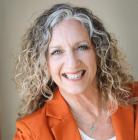
    Karen DeSanto
    (Dem)

  • Candidate picture

    Julie Helmer
    (Rep)

Biographical Information

Please describe your priorities for your term in office and your specific qualifications to effectively address those issues.

What do you see as the most pressing housing-related issue in Wisconsin, and what policies, if any, would you support to address the issue?

What redistricting process, if any, do you believe the legislature should put in place before the next national census to ensure fair representation for voters?

What, if anything, will you do to ensure our schools have the resources to improve outcomes for its students, including those with disabilities?

What guardrails, if any, would you support to protect our environment, health, property values, and household budgets from large projects such as hyperscale data centers and Concentrated Animal Feeding Operations (CAFOs)?

Committee Citizens for Karen DeSanto
Campaign Phone 6088526645
Campaign Mailing Address PO Box 370
Baraboo, WI 53913
Education Luther Burbank Sr. High School, Sacramento CA, Cosumnes River College, Ringling Bros. & Barnum and Bailey Clown College, Leadership Certifications: Stanford University, Harvard Business School, American Management Association, Lilly School of Philanthropy
Personal Pronouns she her
My priorities for the next legislative session focus on strengthening Wisconsin’s workforce and economy through investments in education, small businesses, agriculture, and childcare. I support funding initiatives such as the UW Tuition Promise program, Healthy School Meals for All, the Healthy Food Incentive Program, and the Agricultural Roads Improvement Program. Expanding access to affordable higher education, supporting small businesses and family farms, and ensuring quality childcare are essential to economic growth and workforce development. My experience as CEO of the Boys & Girls Clubs and my first term in the Legislature have reinforced the importance of addressing affordability and investing in Wisconsin families and communities.
Wisconsin’s most pressing housing challenge is the combination of low housing inventory and rising home prices, making homeownership increasingly unattainable for many families and first-time buyers. The shortage of affordable housing also makes it harder to attract and retain workers, worsening workforce shortages across the state. We must increase investment in affordable housing while preserving existing housing stock. A growing concern is the purchase of single-family homes by large investment firms and the conversion of residential properties into short-term rentals. These practices reduce housing availability, drive up prices and rents, and can diminish local tax revenues. Thoughtful regulation and housing investment is essential.
While the state legislature recently made major progress with new maps, Wisconsin’s congressional maps are still considered some of the most gerrymandered in the nation. While the legislature will have to redraw congressional maps following the upcoming national census, nothing prohibits states from redrawing their congressional maps at any time.
Public schools are the foundation of our communities, educating future generations, strengthening local economies, and supporting our democracy. Wisconsin’s Constitution guarantees every student access to a quality public education, and we must ensure schools have the resources to fulfill that promise. Increasing general school aid, transportation aid, and raising the special education reimbursement rate to 90% would help districts manage costs, expand educational opportunities, and better serve students. We must also invest in educators through Grow Your Own teacher programs, scholarships, and professional development opportunities to strengthen the workforce and improve outcomes for students across Wisconsin.
Large-scale projects can create jobs and stimulate local economies, but they must be balanced with strong environmental and public health protections. Representing the area surrounding the former Badger Army Ammunition Plant has shown me the lasting impacts environmental contamination can have on communities. New developments should be subject to thorough permitting, regular inspections, and strong oversight to prevent harm before it occurs. When contamination or environmental damage does happen, comprehensive cleanup and restoration requirements must protect residents and natural resources. From CAFOs to data centers, regulations should be tailored to each industry while prioritizing the health, wellbeing, and prosperity of communities.
Candidate has not yet responded.