Committee
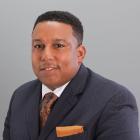
Goodwin for Assembly
Education
Shorewood High School, MATC, University of Memphis, Oral Roberts University
Personal Pronouns
He/Him
My priorities are public safety, economic development, housing, education, and improving the quality of life for families throughout Assembly District 12. One of my top priorities has been addressing reckless driving and supporting policies that make our streets safer for residents, pedestrians, and businesses. I am also focused on removing unnecessary barriers that prevent businesses from investing, creating jobs, and expanding economic opportunities in our communities.
I bring both public- and private-sector experience to this role. Before serving in the Wisconsin State Assembly, I served on the Milwaukee County Board and chaired the Transportation, Public Works, and Transit Committee. I also served on several other county committees, gi
The most pressing housing issue in Wisconsin is affordability and the shortage of housing options available to working families, seniors, and first-time homebuyers. We need to increase the supply of housing while ensuring that communities have access to quality and affordable homes.
I support reducing unnecessary barriers that slow responsible development and exploring innovative housing solutions, including workforce housing, mixed-use developments, and alternative housing models where appropriate. Wisconsin must be open to creative approaches that help more people enter the housing market.
I also believe we should review barriers facing first-time homebuyers. While assistance programs exist, many individuals earn too much to qualify.
I support a transparent and fair redistricting process that gives voters confidence that district boundaries are drawn in the public interest. One approach worth considering is the creation of an independent or bipartisan commission made up of individuals from diverse geographic, professional, and political backgrounds.
Any process should include public input, transparency, and accountability while ensuring compliance with state and federal law. The ultimate goal should be fair representation and public trust in the redistricting process.
Every student deserves access to a quality education, including students with disabilities. I have supported efforts to increase resources for schools and voted for budget proposals that would have provided significant additional funding for local school districts, including Milwaukee Public Schools, Wauwatosa Schools, and Brown Deer Schools.
Moving forward, I support continuing discussions about improving Wisconsin’s school funding formula to ensure districts receive the resources necessary to educate students effectively while remaining mindful of the impact on taxpayers. We should invest in classroom instruction, special education services, student support programs, and workforce development opportunities.
Wisconsin should welcome economic development while ensuring projects are built responsibly. Data centers and other large projects can create good-paying jobs, strengthen our economy, expand our tax base, and provide opportunities for our skilled trades and local contractors. At the same time, we must protect our water, environment, and local communities through reasonable oversight and planning. I believe we can support job creation and economic growth while maintaining strong environmental standards and protecting the quality of life Wisconsin families expect.
Committee
Jordan Roman for WI State Assembly
Campaign Phone
414-215-0377
Education
MS- Urban Policy Studies- UW Milwaukee ; BA - Sociology/ Political Science - UM Morris
My campaign is focused on building stronger communities through affordable housing, quality education, economic opportunity, public safety, and support for seniors. My experience in affordable housing, nonprofit leadership, youth development, and community engagement has given me firsthand knowledge of the challenges families face, and the tools needed to address them. I will work to expand affordable housing, strengthen public education, create pathways to good-paying jobs and apprenticeships, invest in community-based public safety solutions, and ensure seniors can age with dignity. Together, we can build a more opportunity-rich, people-centered Wisconsin where every resident has the chance to thrive.
One of Wisconsin's most pressing housing challenges is the shortage of affordable housing for working families, seniors, and young adults. Rising rents, increasing home prices, and limited housing supply are making it harder for people to live where they work and raise their families. I support expanding affordable housing development, increasing workforce housing incentives, strengthening first-time homebuyer programs, investing in neighborhood revitalization, and preserving existing affordable housing. We must also reduce barriers to responsible development and support local communities in creating housing solutions that meet their unique needs while promoting stability, opportunity, and long-term economic growth.
Wisconsin should adopt a transparent, nonpartisan redistricting process before the next census that prioritizes voters over political interests. Legislative and congressional maps should be drawn using clear criteria, including equal population, compliance with the Voting Rights Act.
The process should include independent map-drawing, multiple public hearings across the state, and opportunities for meaningful public input before maps are finalized. I support reforms that increase transparency, public participation, and accountability so that every Wisconsin voter can have confidence that their voice matters and that elections are decided by voters, not by how district lines are drawn.
Every student deserves access to a high-quality education, regardless of their background or ability. To improve outcomes, Wisconsin must provide sustainable, equitable funding that reflects the real cost of educating students, including those with disabilities. This means increasing special education reimbursement, reducing unfunded mandates on local districts, investing in early intervention services, supporting educators with competitive pay and professional development, and expanding access to mental health and student support services. By giving schools the resources they need, we can help every student succeed and reach their full potential, no matter where they go to school, and prepare them for productive careers and opportunities.
Economic growth can be achieved while protecting communities by establishing strong, transparent guardrails for large-scale developments. These should include rigorous environmental impact reviews, groundwater and air quality protections, responsible land-use planning, meaningful local input, and ongoing public reporting of environmental performance. Developers should be required to mitigate impacts on infrastructure, natural resources, while contributing fairly to local costs. For projects such as hyperscale data centers and CAFOs, we must ensure that economic benefits do not come at the expense of public health, property values, clean water, or rising utility costs. Growth should be sustainable, accountable, and community - centered.