Ballot Designation
Civil Rights Attorney
Candidate's Political Party
Democratic
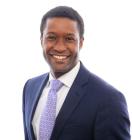
I am an Oakland-raised, second-generation civil rights attorney. My mother, Lorraine Bonner, is a doctor and artist. My father, Charles Bonner, is an attorney. I graduated from Stanford with a B.A. (honors) in 1997. After serving in AmeriCorps and working in Oakland schools, I attended law school. I graduated from Stanford Law in 2006 and joined Bonner & Bonner, where I worked alongside my father. Over the past 20 years, I have tried more than 20 jury trials in 12 jurisdictions across California and nationwide, in state and federal courts. This has taught me how the best judges manage courtrooms efficiently, evaluate evidence carefully, ensure procedural fairness, question jurors to uncover bias, and make sound legal decisions. Since completing mediation training, I have dedicated significant time to mediation and collaborative dispute resolution. I frequently volunteer as a Temporary Judge in Alameda County, where I preside over the Small Claims Court, listen to litigants, dispense justice, and gain valuable judicial experience. My 20 years of representing workers, civil rights plaintiffs, and everyday people harmed by corporations and government have given me a perspective that candidates with corporate backgrounds cannot offer. I have represented clients who could not afford attorneys. I have fought against well-funded opponents who exploit every procedural advantage. I have seen courts serve as true forums for justice, and I have seen them create barriers that block access to it. I understand that behind every case is a real person whose life, livelihood, family, and dignity are at stake. As a judge, I would ensure fair and efficient case resolution, encourage settlement where appropriate, manage proceedings firmly but compassionately, guarantee all parties a genuine opportunity to present their case regardless of attorney resources, apply the law rigorously to protect rights as intended, and ensure everyone leaves having been treated with dignity and fairness.
Alameda County courts face a significant challenge: too many cases, too few judges, and finite time. Trials and discovery motions consume enormous judicial resources, and that backlog has real consequences for the people waiting on justice.
Alameda County has taken meaningful steps to address this. The informal discovery conference process allows attorneys and judges to resolve disputes collaboratively, often eliminating costly motions entirely. As a civil litigator in Alameda County, I have firsthand experience in using the IDC process to collaboratively avoid motion practice. The county's Alternative Dispute Resolution program pairs litigants with skilled mediators, and I am proud to serve on that ADR panel. I also volunteer as a day-of-court mediator for Small Claims through the Center for Community Dispute Resolution, helping neighbors resolve conflicts and keeping cases off judges' dockets. Three new Pretrial Resource Centers now help individuals meet pretrial release obligations, a smart and humane investment in reducing downstream court burden.
But there is more work to do. As a judge, I will prioritize:
Clearing the backlog through efficient case management and expanded ADR use
Supporting court staff by ensuring they are treated with respect, given proper training, and equipped to do their jobs well
Filling critical vacancies, especially in language interpretation, where gaps deny justice to non-English speakers
Every person who walks into an Alameda County courtroom deserves a system that is ready for them. I will work every day to make that a reality.
When considering alternative sentencing for non-violent offenders, I would start with a presumption in favor of alternatives rather than incarceration, because research shows that community-based supervision and treatment result in better public safety outcomes with less harm to families and communities. When alternatives to incarceration, like treatment programs, mental health services, job training, or restorative justice processes, can effectively protect public safety while addressing the needs of the victims and the underlying causes of criminal behavior, I would seriously consider those options. My goal would be to impose sentences proportional to the actual harm caused, taking into account the full humanity and circumstances of the victim and the defendant, and serving the aims of authentic public safety and justice rather than simply filling prisons. The primary considerations would be the victims' feelings and concerns. Then I would examine whether the defendant’s conduct was motivated by treatable substance abuse or mental illness, favoring treatment-based options, whether the defendant has family responsibilities or community ties that support successful supervision, whether there is genuine acceptance of responsibility and willingness to engage in services, and whether the defendant's history indicates dangerousness requiring incarceration or circumstances requiring support and accountability. I would favor drug court, mental health court, residential treatment, probation with conditions addressing root causes, and community-based programs over incarceration. Evidence shows that treatment and supervision are more effective than incarceration for non-violent offenders while avoiding collateral harms that undermine rehabilitation. My goal is to promote accountability and rehabilitation by using alternatives that address underlying issues and provide pathways to stability rather than simply warehousing individuals.
Candidate has not yet responded.
Candidate has not yet responded.
Candidate has not yet responded.