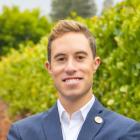
Ballot Designation
Councilmember/Business Owner
Candidate's Political Party
Democratic
As a two-term Mayor of Corte Madera, I’ve seen firsthand how the rising cost of living and the accelerating impacts of climate change are squeezing working families, seniors, and small businesses. These are the two existential challenges we must confront—and they shape my top three priorities.
First, we need to create housing that people in our communities can actually afford to rent or buy. That means cutting red tape, holding developers accountable to deliver below-market-rate units, and supporting smart, transit-oriented development that protects our environment while increasing housing supply. Every Californian deserves to be able to live near where they work.
Second, I will fight to make healthcare and prescription drugs more affordable. No one should have to choose between paying rent and filling a prescription. We need to expand access, increase transparency in pricing, and stand up to for-profit interests to bring down costs for everyday Californians. Healthcare is a human right, not a privilege for only those who can afford it, and we must make that principle our reality here in California.
Third, we must lower the cost of clean energy. Transitioning to renewable power is essential to combating climate change—but it also needs to be affordable. I’ll work to reduce utility bills, invest in local clean energy solutions, and accelerate the shift to a resilient, low-cost energy grid that benefits everyone, not just those who can afford upfront investments.
These priorities are about making California more livable, more affordable, and more sustainable—for all of us.
The cost of living in California is pushing too many families to the brink—and our government isn’t delivering results. My background is rooted in solving tough problems and getting real outcomes for the communities I serve.
As a two-term Mayor of Corte Madera, I led our city from near-bankruptcy to a model of fiscal responsibility and effective governance. We delivered over $100 million in new infrastructure, doubled our affordable housing, and passed Marin County’s first long-term climate plan. That experience—bringing people together, making tough decisions, and delivering measurable results—is exactly what Sacramento needs.
Professionally, I’m a small business owner, so I understand firsthand the pressures facing employers and workers alike. I’ve had to meet a payroll, navigate rising costs, and make decisions that balance growth with responsibility. That perspective is critical as we work to make California more affordable and competitive.
My priorities are grounded in what I’ve accomplished locally: cutting red tape to build housing people can afford; lowering healthcare and prescription drug costs; and accelerating affordable, clean energy to both reduce emissions and bring down utility bills. I also strongly support fully funding public education and expanding universal pre-K so every child has a fair shot.
I’m committed to making state government more efficient, outcome-focused, and accountable to taxpayers. As the first LGBTQ person to represent this district, I will also work to protect the diversity and inclusion that define our communities.
I’m proud to have earned the support of local leaders across Marin and Sonoma counties. I’ll bring that same collaborative, results-driven leadership to Sacramento to help get California working again.
Yes—I support laws that aim to alleviate California’s housing shortage, especially those that increase supply and streamline the process to build housing for low- and middle-income families. The affordable housing crisis is one of my top priorities because it’s not abstract to me—it’s a reality I live every day as the only renter in this race. I understand firsthand the pressure millions of Californians are under, struggling to keep up with rising rents and the fear of being priced out of their own communities.
I also know that legislation alone isn’t enough—we need a smarter, more strategic approach to where and how we build. As Mayor of Corte Madera, I helped build a pro-housing consensus in a community that had long been skeptical of growth. We did that by focusing on a clear, practical strategy: directing new housing to the right places—near transit corridors and job centers—while steering it away from high-risk flood and fire zones.
That balance is critical. If we’re serious about affordability, climate resilience, and public safety, we cannot continue driving more housing into areas that put people at risk or drive up long-term costs. This is a course correction I will bring to Sacramento, and it’s one that too few in the Legislature are talking about today.
Ultimately, solving the housing crisis means not just building more, but building smarter—and ensuring that if you work in our communities, you can afford to live in them.
I’m incredibly proud to be a product of California’s public education system—from kindergarten all the way through college at Cal Poly. That experience shaped my life and informs a core conviction I carry into this race: every Californian, regardless of income or background, should have access to a free, high-quality public education from pre-K through college or trade school.
For too many low-income students today, that promise is slipping out of reach. Schools are facing budget cuts, teachers are being laid off, and families are being asked to shoulder more of the cost of what should be a public good. We need to reverse that trend by fully funding our public schools, implementing universal pre-K, and ensuring that every child—no matter their zip code—has access to strong teachers, safe facilities, and the resources they need to succeed.
We also need to make higher education and career training truly accessible. That means expanding financial aid, reducing the total cost of attendance, and strengthening pathways from high school to community college, four-year universities, and trade programs that lead directly to good-paying jobs. Education shouldn’t end in debt—it should open doors.
Supporting low-income students also means recognizing the broader challenges they face. We need to invest in wraparound services like after-school programs, mental health support, and nutrition assistance so students can focus on learning, not just getting by.
This is about more than education policy—it’s about restoring the California Dream. I’m committed to making sure the same opportunities I had are available to every young person in our state.
Meeting California’s long-term water needs requires a fundamental shift in how we think about water. As a member of the Board of the Central Marin Sanitation Agency, I’ve been proud to lead on expanding water recycling and reuse—because in an era of climate change, where rainfall is becoming less frequent and less reliable, we simply cannot afford to treat water as a one-time-use resource.
For decades, California’s water system has depended on a model that assumes abundance—capture, use once, and discharge. That approach is no longer sustainable. It’s wasteful, it drives up costs over time, and it leaves our communities more vulnerable during droughts and extreme weather. We need to transition to a circular water system that captures, treats, and reuses water locally wherever possible.
That means investing in advanced water recycling infrastructure, supporting regional water reuse projects, and modernizing regulations to make it easier for communities to adopt these technologies safely and efficiently. It also means integrating water policy with land use planning—ensuring that as we grow, we do so in ways that are water-resilient and sustainable.
At the same time, we must continue to promote conservation, upgrade aging infrastructure to prevent leaks and losses, and support agricultural innovation that uses water more efficiently.
California has the tools and technology to lead on water sustainability. What’s needed now is the political will to scale these solutions statewide. I’ll bring my hands-on experience and results-driven approach to Sacramento to help build a more reliable, affordable, and climate-resilient water future for all Californians.
Candidate has not yet responded.
Candidate has not yet responded.
Candidate has not yet responded.
Candidate has not yet responded.
Candidate has not yet responded.
Ballot Designation
Councilwoman/Educator
Candidate's Political Party
Democrat
My top priorities are tackling the housing crisis, confronting climate change with urgency, and making the cost of living more manageable for working families.
On housing, I’ve focused on delivering real results. In Rohnert Park, we secured state funding to build supportive housing, reduced unsheltered homelessness, and earned a state Prohousing designation while becoming one of the fastest growing cities in the district. At the state level, I will push to expand affordable housing, support local governments that are doing their part, and ensure we are building housing that teachers, healthcare workers, and young families can actually afford.
On climate, this is a defining issue for Marin and Sonoma counties. We are already living with the impacts, from wildfires to sea level rise. I helped move our city toward 100 percent renewable energy and led efforts to stop new gas stations. In the Assembly, I will focus on wildfire prevention, climate resilience, and accelerating the transition to clean energy while holding polluters accountable.
And on cost of living, too many people are being priced out of the communities they love. That means not just housing, but healthcare, education, and everyday costs. I will fight to strengthen public schools, expand access to mental health care, and ensure that working families can stay and thrive in the North Bay.
I’m running to bring together strong values with a track record of getting things done, because our communities need more than promises right now.
I am an educator, a union member, and a current City Councilmember and former Mayor of Rohnert Park, where I have helped lead on some of the most pressing issues facing our region.
In local government, I have delivered real results. We secured $14.6 million in state funding to build supportive housing, helped transition people from encampments into housing, and significantly reduced unsheltered homelessness. We expanded access to clean energy through Sonoma Clean Power and implemented the SAFE Team program, where trained mental health professionals respond to certain calls instead of police, improving safety and reducing the risk of escalation. Rohnert Park is now one of the fastest growing cities in the district and earned a state Prohousing designation for our work.
I hold degrees in Sociology and Criminal Justice, and I am a first-generation immigrant who has lived in this district for over 20 years and raised my family here. My experience brings together public service, education, and a track record of making real decisions and delivering results for our community.
Yes. We need to address California’s housing shortage, but we have to do it in a way that works with our communities, not against them.
In Rohnert Park, we’ve shown that it’s possible to build housing, reduce homelessness, and maintain community trust at the same time. We secured state funding to build supportive housing, helped move people from encampments into housing, and earned a state Prohousing designation while becoming one of the fastest growing cities in the district.
At the state level, I support expanding affordable housing and providing resources and incentives to help cities meet their goals. At the same time, local communities should have a meaningful role in shaping how and where housing is built, so that growth is thoughtful, environmentally responsible, and aligned with infrastructure, transportation, and neighborhood needs.
We can make real progress on housing without sacrificing local character or community input. I’ve done that work locally, and I will bring that same approach to the State Assembly.
As an educator, I see every day how much a student’s success is shaped by what they have access to both inside and outside the classroom.
We need to ensure that schools serving low-income communities are fully funded and have the resources to support the whole student. That means investing in counselors, mental health services, and support staff, not just classrooms. It also means expanding early childhood education so students start school on a strong foundation.
We should strengthen career and technical education programs and create clearer pathways from high school to good-paying jobs, while also keeping college affordable and accessible. At the same time, we need to support multilingual education and ensure that immigrant students and their families feel safe and supported in our schools.
As an educator, I know that students do best when they have stability at home as well. That’s why addressing housing, healthcare, and cost of living is also part of supporting their success in school.
Every Californian deserves access to clean, safe, and affordable water. As climate change makes our water supply more unpredictable, we need long-term solutions that focus on reliability, sustainability, and equity.
I support expanding water recycling, stormwater capture, and groundwater recharge to make better use of the water we already have. We also need to accelerate cleanup of contaminated aquifers and hold polluters accountable, especially in communities that have been disproportionately impacted.
Investing in modern, resilient infrastructure is critical, including upgrading aging systems and supporting water access in underserved and rural communities. I also support watershed restoration and nature-based solutions that improve water storage, reduce flood risk, and strengthen ecosystem health.
Finally, we need smarter, more sustainable water use across sectors, including stronger conservation efforts and better alignment of water use with long-term climate realities. Water is a basic human right, and our policies must reflect that by ensuring reliability, affordability, and environmental protection for all Californians.
Candidate has not yet responded.
Candidate has not yet responded.
Candidate has not yet responded.
Candidate has not yet responded.
Candidate has not yet responded.
Candidate has not yet responded.
Candidate has not yet responded.
Candidate has not yet responded.
Candidate has not yet responded.
Candidate has not yet responded.
Candidate has not yet responded.
Candidate has not yet responded.
Candidate has not yet responded.
Candidate has not yet responded.
Candidate has not yet responded.