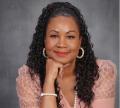
Candidate has not yet responded.
Candidate has not yet responded.
Candidate has not yet responded.
Candidate has not yet responded.
Candidate has not yet responded.
Ballot Designation
Doctor/Educator/Author
Candidate's Political Party
Democrat
Our district is a healthcare desert. My top priority is expanding access to affordable, high-quality healthcare. As a physician, I have seen firsthand how gaps in our healthcare system impact working families, seniors, and underserved communities. I will focus on improving access to care, lowering costs, and ensuring that communities in our region have the providers and resources they need to stay healthy.
My second priority is addressing affordability and supporting economic opportunity. Too many families are struggling with the rising cost of housing, groceries, and everyday essentials. I will work to support policies that increase housing supply, promote good-paying jobs, and ensure that economic growth benefits working people, not just a few at the top.
My third priority is strengthening education and a workforce pathway that can help to upgrade our current strained infrastructure. I believe every student deserves access to a quality education and a clear path to a stable career, whether through college or technical training. I will support investments in public education, career training programs, and partnerships that prepare our workforce for the jobs of today and the future. Fast population growth in the Inland Empire is straining our current infrastructure. We must invest in sustainable career building jobs that will help to build the roads, upgrade the transit system to decrease traffic, and build long-term water supply and storage systems. It is imperative that we make life affordable, bring jobs closer to home, and build infrastructure that keeps up with our growth.
I bring a combination of professional experience, public service, and personal resilience that has prepared me to serve effectively in this role. As a retired OB-GYN with over twenty years of experience, I have worked closely with families from all walks of life and understand the real challenges people face when it comes to healthcare access, affordability, and navigating complex systems. I have practiced medicine in military, academic, rural, and private practice settings. I have provided care to infants, veterans, children, and women. That experience has shaped a practical, solutions-oriented approach that I will bring to public office.
My commitment to service is also rooted in my time as a medical officer in the United States Navy. I chose to serve while in medical school and went on to care for service members and their families, earning the Global War on Terrorism Service Medal and a Letter of Appreciation. My military experience strengthened my leadership skills and reinforced the importance of discipline, teamwork, and putting service above self.
As a leader in the community, I have served on the board of multiple organizations. Volunteering and helping the people of the district has allowed me to listen to their stories over the years. Having this community connection allows me to see that needs that are not being met. A pregnant woman did not seek prenatal care because it was an hour from her home. Our system is failing.
My personal story has deeply influenced my path and my purpose. I was raised by my aunt after both of my biological parents struggled with addiction, and from a young age I volunteered through my church to serve people experiencing homelessness. Those experiences shaped my desire to dedicate my life to helping others, first as a physician and now through public service. I am running to bring that real-world experience, compassion, and commitment to the State Senate to deliver results for the communities I will represent.
Yes, I support efforts to address California’s shortage of affordable housing for middle- and low-income residents. Too many families are being priced out of their communities, and we need practical solutions that increase housing supply while keeping neighborhoods stable and livable. We should be focused on building more housing at all levels, especially homes that working families can actually afford.
I support policies that streamline the approval process, reduce unnecessary barriers to construction, and encourage responsible development. It is important that new housing is paired with the infrastructure and services communities need, including transportation, schools, and public safety. Local input should remain part of the process so growth reflects the needs of the community.
We also need to keep affordability at the center of our approach. That means supporting workforce housing, expanding access to homeownership, and making sure housing policies are delivering real results for the people who need them most. My focus will be on balanced, practical solutions that make it easier for families to find and keep stable housing.
I attended public schools from kindergarten through college, and I value the education I received. Supporting young, low-income Californians starts with making sure schools in underserved communities have the resources they need, including updated materials, technology, and safe facilities. Students should have access to strong academic programs in both STEM and the arts so they are prepared for a wide range of opportunities.
We should expand specific programs that help students succeed every day. This includes free school meals, tutoring programs, and access to counselors so students can stay on track academically and personally. Investing in early childhood education is also critical, since students who fall behind early often face greater challenges later. Strengthening these programs helps close gaps and gives students a stronger foundation.
We also need clear pathways from school to stable careers. Expanding career and technical education, apprenticeship programs, and partnerships with local employers will give students real skills and opportunities after graduation. Supporting teachers through competitive salaries and incentives will help schools in low-income communities attract and retain strong educators. These are practical steps that can improve outcomes and give every student a fair chance to succeed.
Meeting California’s water needs requires expanding supply, fixing outdated systems, and making better use of the water we already have. I support increasing groundwater recharge and investing in additional storage so we can capture stormwater and excess runoff during wet years instead of losing it. Expanding water recycling for both residential and agricultural use is also critical, especially in regions that rely heavily on imported water.
We need to modernize infrastructure across the state. Too much water is lost through aging pipes, inefficient delivery systems, and delayed maintenance. Funding repairs, upgrading canals, and improving local water systems will help ensure water is delivered safely and reliably. I also support stronger stormwater capture projects at the local level, which can reduce flooding while increasing usable supply.
California must also take a practical approach to conservation and long-term planning. That includes incentives for water-efficient landscaping, updated irrigation systems for agriculture, and responsible use standards that reflect regional conditions. I support targeted use of desalination in coastal areas where it makes sense, along with stronger coordination between state and local agencies so water policy reflects the needs of each community. These steps will help build a more reliable and sustainable water system for all Californians.