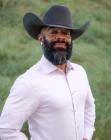
Ballot Designation
Social Worker/Businessman
Candidate's Political Party
Libertarian
My top three priorities are defending individual rights, protecting economic freedom, and pushing back against government overreach and political corruption. These principles are foundational to a healthy and functioning society, and they are increasingly under pressure in California.
Defending individual rights means ensuring that every person is free to live their life without unnecessary interference, so long as they are not harming others. Protecting economic freedom involves reducing excessive taxation and regulatory burdens that prevent small businesses and working families from thriving. Fighting government overreach requires holding institutions accountable and ensuring transparency in decision-making.
Above all, I aim to advance common-sense solutions that are often stalled by partisan gridlock. Californians deserve practical leadership focused on results, not political gamesmanship.
I bring a multidisciplinary background that blends public policy, behavioral health, and business expertise. I hold a Bachelor of Arts in Political Science, a Bachelor of Science in Justice Studies, a Master of Social Work, and a Master of Business Administration. I am also a Licensed Clinical Social Worker and a United States Marine Corps veteran.
My professional experience has given me direct insight into the challenges facing individuals, families, and systems across California. As a clinician, I work on the front lines of mental health, understanding both systemic failures and opportunities for meaningful reform. My business training provides a practical understanding of economic systems, budgeting, and organizational efficiency.
California needs more statesmen/stateswomen/statespeople and fewer career politicians. Too often, decision-making is influenced by special interests and large donors. I have chosen not to accept campaign donations because I believe leadership should be guided by principle and accountability to the people, not financial influence. My commitment is to serve with integrity, independence, and a focus on real-world outcomes.
While the intent behind many housing laws is understandable, I do not believe that increasing layers of regulation will solve California’s housing crisis. In many cases, government intervention has contributed to the very shortages we are trying to address by restricting supply, increasing costs, and slowing development.
To achieve more effective outcomes, I would focus on reducing regulatory barriers that prevent housing from being built. This includes streamlining permitting processes, reducing unnecessary zoning restrictions, and eliminating costly mandates that drive up construction expenses. By allowing the market to respond more freely to demand, we can increase supply and naturally stabilize prices.
The goal should be to create an environment in which housing is built in a way that is feasible, efficient, and responsive to community needs, without being hindered by excessive bureaucracy.
Supporting young, low-income Californians requires expanding access to quality education while empowering families with greater choice. A one-size-fits-all system has not adequately served many communities, and we need to be willing to explore alternatives.
I support policies that increase school choice, including charter schools, vocational training programs, and education savings accounts that allow families to direct resources toward the educational setting that best meets their child’s needs. Not every student thrives in a traditional classroom, and we should recognize multiple pathways to success.
As a social worker, I also recognize the importance of addressing external barriers to learning, including mental health, family stability, and community resources. Schools should be supported in providing integrated services that help students succeed both academically and personally.
Ultimately, the goal is to create a flexible, student-centered system that prioritizes outcomes over bureaucracy and gives every child a fair opportunity to succeed.
California’s water challenges require a comprehensive and forward-thinking approach that prioritizes sustainability, efficiency, and innovation. I support exploring all viable options, including private investment and public-private partnerships, to modernize and expand our water infrastructure.
This includes increasing water storage capacity, investing in recycling and desalination technologies where feasible, and improving the efficiency of existing distribution systems. At the same time, we must critically evaluate regulatory barriers that delay or prevent necessary projects from moving forward.
Water policy should also reflect regional needs, particularly in areas like the Central Valley, where agriculture plays a critical role in both the local economy and national food supply. Ensuring reliable access to water is essential not only for residents but for economic stability.
A balanced approach that incorporates market-driven solutions, innovation, and responsible stewardship will be key to meeting California’s long-term water needs.
Candidate has not yet responded.
Candidate has not yet responded.
Candidate has not yet responded.
Candidate has not yet responded.
Candidate has not yet responded.
Candidate has not yet responded.
Candidate has not yet responded.
Candidate has not yet responded.
Candidate has not yet responded.
Candidate has not yet responded.