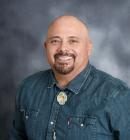
County Commissions are policy-making body that may establish a budget, enact ordinances, approve tax levies, enforce planning and zoning rules, and coordinate with other government agencies to provide for the safety of the county and its inhabitants, to preserve community health, and promote prosperity within the county. Term: Four years, limited to two consecutive terms.
Campaign Phone
505-310-7587
Occupation
Project Manager Los Alamos County Engineering
Filing County
Santa Fe
mailingaddress
451 COUNTY ROAD 84
mailingcity
SANTA FE
mailingzip
87506-2067
I am a lifelong resident of District 1, I bring proven leadership and deep community roots, with my family in the Pojoaque Valley for 13 generations. I previously served eight years as County Commissioner, including six years as chair and vice chair. Known for being responsive and collaborative, I delivered key projects such as the Pojoaque Valley Sports Complex, senior center renovations, rural fire station upgrades, broadband expansion, and trail development. I have served on regional boards, including the New Mexico Association of Counties and Workforce Development Board. With a background in civil design and capital project management, I combine hands-on expertise with a lifelong commitment to public service.
The biggest challenges facing our community include housing affordability, access to health care and essential services, infrastructure maintenance, public safety, and issues related to homelessness and mental health. The County has made progress through developer assistance programs, new construction, and support for renters and homeowners. Projects such as Nueva Acequia, Turquoise Trail, and Cresta Ranch are positive steps. However, we must also pursue policy reform, better land use, and stronger partnerships. Inclusionary zoning benefits should be increased, and we must expand wraparound, supportive, and integrated care services to address root causes and better serve residents.
First and foremost, we must prioritize clear communication with constituents by engaging communities early and often, ensuring transparency throughout every stage of decision making. Residents should be treated as partners in the process, with their concerns heard and respected, while preserving the unique character of each community. The County must take a proactive approach to outreach, involving the public before and throughout projects. This ensures that decisions reflect community needs, build trust, and identify opportunities that benefit both current residents and future growth.
The County should improve coordination and communication among county, federal, state, and tribal agencies as a top priority for hazard mitigation. We must move from static plans to active preparedness, with regular review, training, and updates. Just as important is involving our communities in the planning process through clear, consistent communication. When residents are informed and engaged, we are better prepared together to respond to emergencies and protect our communities.