Education
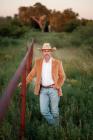
High School Diploma, Roswell High School 1990, Bachelor's in Wildlife Biology with a Minor in Criminal Justice, NMSU 1995
Campaign Phone
575-317-4938
Occupation
Chaves County Commissioner, CEO Wildlife&Habitat Prescriptions
mailingaddress
1313 N Pennsylvania Ave.
mailingcity
Roswell
mailingzip
88201
mailingstate
NM
I’ve spent my career working on the ground in New Mexico, managing and stewarding the very lands this office oversees. I served over 20 years with the New Mexico Department of Game & Fish, rising to Major of Southern Field Operations, and later as Assistant Commissioner of State Lands, where I helped manage millions of acres of trust land. I also run a wildlife and habitat consulting business, working directly with ranchers and landowners. I understand how land, water, and resources support our communities, and I bring practical, real-world experience, not theory to this job.
First, maximize revenue for our beneficiaries, especially public schools through responsible energy development and sound land management.
Second, support working lands by improving communication with lessees, expanding responsible access, and protecting traditional uses like grazing, hunting, and firewood gathering.
Third, strengthen stewardship by improving forest and watershed management to reduce wildfire risk, protect water resources, and ensure long-term sustainability of our trust lands.
The biggest challenge is balancing increasing demand for revenue with responsible stewardship of the land. New Mexico relies heavily on trust land income to fund education, but we must also protect the long-term health of those lands. Other challenges include water scarcity, wildfire risk, access limitations, and ensuring fair and consistent policies across energy sectors. The SLO must also improve coordination with federal and local partners to better manage land, resources, and infrastructure.
The mission of the State Land Office is clear: generate revenue while protecting the long-term value of the land. Those goals are not in conflict when done right. Responsible energy development, well-managed grazing, and active land stewardship all contribute to both revenue and sustainability. I believe in a balanced, science-based approach that supports economic activity while ensuring proper reclamation, fair leasing practices, and long-term land health. If we manage the land well today, it will continue to provide for our schools and communities for generations.
The State Land Office should play a proactive role by ensuring leasing and permitting processes for transmission corridors are clear, efficient, and consistent. Transmission is critical to fully develop both traditional and renewable energy resources in New Mexico. I support coordinated planning with industry, utilities, and regulators to identify strategic corridors that minimize land impacts while maximizing access to markets. At the same time, we must ensure fair compensation to trust beneficiaries and maintain strong environmental and reclamation standards.
Education
Bachelors of Political Science with an emphasis in Law at New Mexico Highlands University/ Masters of Water Resources at the University of New Mexico (In Progress)
Campaign Phone
505-559-0516
I’m a 13th-generation New Mexican who grew up working in a ranching family in Valencia and Socorro counties, where I learned firsthand the importance of land and water stewardship. Professionally, I’ve worked as a Natural Resource Specialist and Ranger with the U.S. Army Corps of Engineers and as a technical assistant for the New Mexico Acequia Commission, supporting conservation and traditional water systems. I also served as Political Director for U.S. Senator Martin Heinrich, working on land, energy, and public policy. I bring lived experience, professional expertise, and a deep commitment to protecting our lands while delivering for our schools and communities.
-Growing and diversifying revenue for public schools and institutions by expanding renewable energy, the outdoor economy, and long-term tools like conservation leases. While holding Oil and Gas; and all those who use our lands to the high standards.
- Protect and preserve our state trust lands for future generations.
- Increasing access to our lands, including expanding responsible recreation opportunities, while respecting cultural sites and traditional uses. We can generate revenue and protect what makes New Mexico special at the same time.
The greatest challenge is balancing revenue generation with long-term stewardship. State trust lands fund our public schools and institutions, but they must also be protected for future generations. That balance is becoming more difficult as we face increasing pressure from climate change, prolonged drought, and water scarcity, alongside growing demand for development on public lands. The State Land Office must take a long-term approach that ensures responsible use today while sustaining the health, productivity, and cultural value of these lands for generations to come.
These goals go hand in hand. Responsible stewardship ensures our lands remain productive over the long term. I would prioritize diversified revenue streams, including renewable energy, conservation leasing, and recreation, alongside responsible traditional development. Strong oversight, clear standards, and accountability are key. By taking a long-term approach, we can protect our lands, respect cultural values, and generate stable funding for schools and other beneficiaries.
The State Land Office should play a proactive role in facilitating responsible transmission development by leasing appropriate state lands and coordinating with federal, local, and tribal partners. Expanding transmission is critical to unlocking New Mexico’s renewable energy potential and growing revenue for our schools. At the same time, projects must be carefully sited to avoid impacts to sensitive landscapes, wildlife, and cultural resources. Done right, transmission can strengthen our economy while protecting what makes our state unique.