Richland County Council, District 11 Choose 1
Election Information:The Statewide Democratic and Republican Primary Elections will be held Tuesday, June 9, 2026. You may vote in either the Republican or the Democratic primary. Your address indicates you live in the district for this race.EARLY VOTING: If you prefer to vote prior to June 9, 2026, you can vote during a two-week early voting period Tuesday, May 26 through Friday, June 5. Early voting centers are open Monday to Friday, excluding holidays, from 8:30 a.m. to 5:00 p.m. Check the Richland County Voter Registration and Elections website Early and Absentee Voting | Richland County SC or SCVOTES.gov for early voting locations.ABSENTEE VOTING: You may be eligible to vote absentee by mail. For details on eligibility and how to submit your request, see this SC Election Commission Voting Absentee page: https://www.scvotes.gov/absentee-voting.Position Description:Richland County Council is composed of eleven members, one from each district, elected to 4-year terms. As the governing body of the county, it enacts laws by ordinance and may also adopt resolutions. The Council hires the county administrator, sets budgets, levies taxes, approves contracts, agreements and bids, and appoints board and committee members.
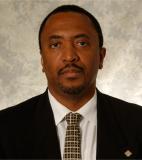
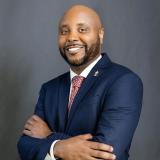
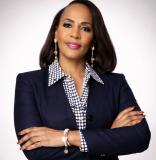
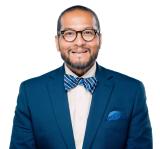
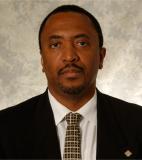
Biographical Information
Campaign Address
265 King Charles Rd Columbia, SC 29209
Columbia, SC 29209
Columbia, SC 29209
Campaign Phone
8034297719
Campaign Email
dot878@yahoo.com
Campaign Website
http://www.jacksoncampaign.com/
Education
Certificate of Education in Physics, Maths, Chemestry, English. Cambridge University England; Highway Traffic Engineering customised trainung, Clemson, Government Harvard's John F Kennedy School of Government. Associates of Civil Engineering/Architecture, Midlands Technical College, Economic Development/Community Economic Development, Development Training Institute,(DTI) St. Paul Maryland
Qualifications
Highway Design Engineer/Transportation Planner, Planner, Economic Development Consultant, Former Chair, Central Midlands Council of Government
1. What partnerships would you support to improve public safety in the county?
Work with and support the Sheriff and the City Police to get them the necessary tools and staff to address crime in the Lower Richland Community
2. What tools would you use to guide planned development in the county?
Reinstate the Neighborhood Master Plan whicg defines development areas and guide the type of development approved by the community, working with the development community and other stakeholders in the area.
3. What steps will you take to ensure free and fair elections in the county?
Have poling stations accessable to all residents and have the Richland County Election Commission engage with the community on any changes to the election laws
4. What will you advocate for in the county's transportation improvement plans?
Each of the eleven Districts receive Equal Transportation Penny Tax Dollars for road improvement in their district
5. What are your priorities for action?
Address uncontrolled growth, Equal distribution of Transportation Penny Tax funds, Impact Fees, Fee In-lieu of Taxes to start paying Taxes to create a County Homestead Tax Exemption to reduce taxes for seniors. Homelessness, Traffic congestion, reopening of Wildcat Road through Fort Jackson to alleviate traffic congestion. Widening of Garners Ferry Road, or converting it to a true feve lane from a four lane divided highway. Meet and address conctituents needs
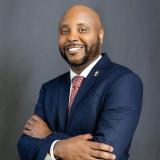
Biographical Information
Campaign Address
PO Box 9045
Columbia, SC 29290
Columbia, SC 29290
Campaign Email
djforrichland@gmail.com
Campaign Website
http://www.djforcountycouncil.com
Education
Bachelor of Arts in Journalism and Mass Communications from the University of South Carolina, a Master's degree in Business Management from Webster University, and is a graduate of George Washington University's Certified Public Management Program.
Qualifications
Lean Six Sigma Certified; Served as Deputy Director of Fulton County’s Aging and Youth Services Department (AYSD) in Atlanta. Served as the Director of Communications and External Affairs for the District of Columbia’s Mayor’s Office on Aging (DCOA); Currently serves on the Columbia Housing Authority Board of Commissioners, where he chairs the Development Committee, and on the Eastfair Neighborhood Association.
1. What partnerships would you support to improve public safety in the county?
I believe improving public safety requires more than a strong partnership with law enforcement. It also involves strong partnerships with schools, nonprofits, faith-based organizations, neighborhood associations, and community leaders. I support collaborative efforts that give our first responders the resources they need while investing in youth programs, mentorship, mental health services, and community engagement initiatives that help prevent crime before it starts. Investing in prevention is important to me. I also believe regional cooperation among local governments is critical to addressing issues like housing, homelessness, and transportation that directly impact public safety for all.
2. What tools would you use to guide planned development in the county?
I support using comprehensive planning, updated land development codes, infrastructure studies, traffic impact analyses, and community input to guide responsible growth in Richland County. Growth must be intentional and balanced with the protection of the character of communities such as Lower Richland, Hopkins, and Eastover. I believe development decisions should prioritize infrastructure readiness, traffic flow, sidewalks, utilities, preservation of green space, and the quality of life for long-term residents.
3. What steps will you take to ensure free and fair elections in the county?
I will support efforts to protect the integrity, transparency, and accessibility of our elections for all citizens. This includes advocating for voter education, ensuring that polling locations are accessible and adequately staffed, supporting fair election administration, and encouraging civic engagement across Richland County. I also believe local leaders should build public trust in the election process by promoting transparency, accountability, and equal access to the ballot for every eligible voter.
4. What will you advocate for in the county's transportation improvement plans?
I will advocate for transportation improvements that address current congestion and future growth across District 11 and throughout Richland County. This includes improving traffic flow along major corridors such as Lower Richland Boulevard, Garners Ferry, Leesburg, and Trotter Road, as well as investing in sidewalks, bike paths, drainage improvements, and safer intersections. I also support regional transportation cooperation and infrastructure planning that aligns economic development with smart, sustainable growth.
5. What are your priorities for action?
My priorities are to manage responsible growth, improve infrastructure and transportation, especially public transportation, strengthen public safety, support economic development in rural communities, address homelessness with a compassionate and accountable approach, and ensure that our seniors can age with dignity in the communities they have helped build. I also want to strengthen regional partnerships that move Richland County forward while protecting the character and identity of our communities.
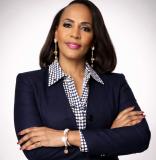
Biographical Information
Campaign Address
216 Fox Meadow Ln Hopkins, SC 29061
Hopkins, SC 29061
Hopkins, SC 29061
Campaign Phone
8036650780
Campaign Email
Evafordistrict11@gmail.com
Campaign Website
http://www.evafordistrict11.com
Education
Bachelor of Arts; Master of Business Administration – Webster University
Qualifications
Eva Prioleau brings over 30 years of public service experience, including leadership roles with Richland County Public Works and the South Carolina Department of Transportation. She has managed multimillion-dollar budgets, overseen infrastructure operations, and delivered projects that improve roads, drainage, and community services. She is also an active community leader with the Lower Richland NAACP and Hopkins Community Awareness Crimewatch.
1. What partnerships would you support to improve public safety in the county?
I support partnerships among Richland County, local municipalities, school districts, SCDOT, and community organizations to improve public safety. In District 11, that means safer roads, better drainage, improved lighting, stronger workforce readiness programs in our schools, blight removal, and expanded youth and family services. Through my work coordinating community clean sweep, litter, and illegal dumping programs in Richland County, I understand the importance of maintaining clean, well-kept neighborhoods. Public safety should be proactive, community-centered, and focused on preventing problems before they grow.
2. What tools would you use to guide planned development in the county?
I would use zoning, land use planning, and infrastructure coordination to guide responsible growth. Development must align with road capacity, drainage systems, and community needs. I support requiring impact assessments and ensuring developers contribute to necessary infrastructure improvements. Collaboration with municipalities, planning commissions, and residents is essential to protect existing neighborhoods while supporting balanced growth. My experience in public works and as Vice Chair of the Richland County Transportation Penny Advisory Committee reinforces the importance of aligning development with infrastructure planning.
3. What steps will you take to ensure free and fair elections in the county?
I support transparency, accountability, and voter access. This includes working with the Board of Voter Registration and Elections to ensure accurate voter rolls, secure polling locations, and well-trained poll workers. I support public education efforts so residents understand how and where to vote. It is important that every eligible voter has the opportunity to participate in a fair, secure, and accessible election process.
4. What will you advocate for in the county's transportation improvement plans?
I will advocate for improving road conditions, addressing drainage and flooding, paving dirt roads, and enhancing traffic safety. As Vice Chair of the Richland County Transportation Penny Advisory Committee, I have firsthand experience reviewing and prioritizing transportation projects. I will work to ensure investments are equitable, transparent, and aligned with community needs. Infrastructure must keep pace with growth to improve safety and quality of life in District 11.
5. What are your priorities for action?
My top priorities are fixing roads, drainage, and flooding; promoting responsible growth; supporting education and workforce readiness; strengthening cleaner, safer communities; and expanding housing and economic opportunities. I will use my experience in public works and transportation planning to deliver practical solutions that improve quality of life.
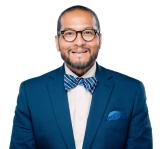
Biographical Information
Campaign Address
PO Box 9102
Columbia, SC 29290
Columbia, SC 29290
Campaign Phone
8033541767
Campaign Email
info@drjamesmthompson.com
Campaign Website
http://www.drjamesmthompson.com
Education
PhD in Educational Administration (Minor: Research & Statistics and Instructional Technology) - The University of Southern Mississippi; EdS in Educational Administration - The University of Southern Mississippi; MBA - Webster University; MA in Health Services Management - Webster University; BS in Biology (Minor: Psychology) - The University of South Carolina
Qualifications
1. Workforce and economic development bridging education and industry to create strong job pathways. 2. District 11 roots and accountability as a lifelong resident who prioritizes seniors and community legacy. 3. Proven unifier building bridges across viewpoints through faith and family values. 4. Fiscal discipline and oversight for transparent, accountable county government and responsible stewardship.
1. What partnerships would you support to improve public safety in the county?
Public safety requires more than response—it requires coordination, prevention, and trust. I would strengthen partnerships among law enforcement, fire/EMS, schools, mental health providers, and community organizations to address both immediate incidents and underlying causes. I support Crisis Intervention Team model that pair officers with mental health professionals, youth engagement programs that reduce risk factors, and workforce pathways that expand opportunity. Data sharing and community input should guide deployment strategies. Safer communities are built through collaboration, accountability, and sustained investment in people and prevention. Together, we will prevent problems early, respond fast, and earn community trust.
2. What tools would you use to guide planned development in the county?
Planned development must be data-driven, transparent, and community-informed. I will rely on the comprehensive plan, infrastructure capacity analyses, housing and workforce data, and clear zoning standards to guide decisions. Smart growth should be aligned with transportation, utilities, and school capacity—not reactive or fragmented. I also support meaningful public engagement early in the process, so residents help shape outcomes. Smart development balances economic growth with quality of life, ensuring that investments are equitable, sustainable, and positioned for long-term success. I will use clear metrics, transparent timelines, and early community input so growth matches schools, roads, and needs.
3. What steps will you take to ensure free and fair elections in the county?
Ensuring free and fair elections requires both access and trust. I will support adequate, accessible polling locations, well-trained and nonpartisan poll workers, and clear, consistent voter education. I also support strong coordination with election officials to ensure transparency, accurate reporting, and secure processes. Public confidence depends on both integrity and communication. My focus is to ensure that every eligible voter can participate without barriers and with confidence that their vote is counted fairly and accurately. I will back secure, transparent election practices—so every voter has equal access, and every ballot is counted right.
4. What will you advocate for in the county's transportation improvement plans?
Transportation planning should connect people to opportunity. I will advocate for investments that improve safety, reduce congestion, and expand access to jobs, healthcare, and education. This includes maintaining existing roads, prioritizing high-need corridors, and exploring transit options that support working families. Transportation decisions should be informed by growth patterns and workforce needs, ensuring connectivity across all communities. A strong system supports economic mobility, reduces inequities, and positions the county for future development. Better streets and smarter transit mean fewer crashes, less time stuck, and more access to opportunity for everyone.
5. What are your priorities for action?
My priorities are focused on results that improve daily life: expanding economic and workforce development, strengthening public safety, improving overall health prevention and mental health supports, improving EMS response time, and ensuring rural patients in District 11 can access the care they need. I will advocate for mobile health clinics to bring preventative services closer to families—so citizens can get screenings, early support, and routine care before problems become crises. I will also work to connect education to employment through workforce pathways, support small businesses as drivers of growth, and address barriers like transportation and access to services. I believe leadership requires both listening and execution.