Pennsylvania US Representative District 3 Choose 1
Description of office: The US Constitution requires that the House of Representatives be composed of Representatives from each state, elected in proportion to population. There are 435 members of the House of Representatives, with 17 Representatives allotted to Pennsylvania after the 2020 census. A US Representative must be at least 25 years old, have been a citizen of the United States for the past seven years, and be a resident of the state they seek to represent at the time of the election (though not necessarily the same district). The House of Representatives is responsible for introducing and voting on bills, resolutions and amendments, and for approving the budget. Representatives also serve on various policy committees. The House may send Articles of Impeachment of elected officials to the Senate and elects the President if there is a tie in the Electoral College.Term: 2 yearsSalary: $174,000Vote for ONE.
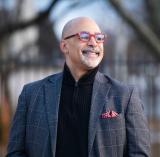
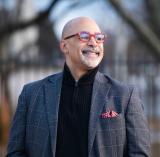
Biographical Information
County
Philadelphia
Occupation
State Representative, PA 200th Legislative District
Education
University of Pennsylvania (2003–2006): Earned a Master of Science (M.S.) in Organizational Dynamics, Yale University (1988–1992): Received a Bachelor of Arts (B.A.)
Qualifications
Serving five terms as a Pennsylvania State Representative, working as a U.S. Senate aide and White House conference staffer, authoring a book on socially responsible entrepreneurship, leading labor organizing efforts for educators in Philadelphia, running a socially-responsible business incubator
Campaign Website
http://chrisrabb.com
Facebook URL
http://facebook.com/chrisrabbCD03/
X Handle
@chrisrabb
Instagram URL
http://www.instagram.com/chrisrabb/
What are the most pressing issues facing your district and our country, and how would you address them?
Survival should not be a privilege and we must seek to win solutions at the scale of the crises we are facing. With bold fighters in office, we can win a future where Philadelphia families have guaranteed access to safe housing, stable income, clean air, and water. We need to strengthen workers’ rights by raising the minimum wage and passing Medicare for All. We must end endless wars and redirect our tax dollars into our neighborhoods to fund public services. That also means taking money out of politics to build a government that answers to voters, not billionaires and corporate lobbyists. Passing meaningful environmental protections is critical to protecting our neighborhoods and moving towards a fossil-fuel free economy is critical.
What do you see as the role of Congress in oversight of the executive branch?
Congress must pursue constitutional reforms that take away the near-total control of weapons of mass destruction from the executive branch. The executive branch, within my lifetime, has waged conflict across the globe with consistently eroding checks and balances. The lack of accountability between Congress and the executive branch in recent years is part of the crisis of a crumbling democracy. In Congress, I hope to work within a body that will hold presidents accountable for their criminal acts, remove war powers from the executive, and crush the corporate duopoly that controls the Legislature so our democracy can be protected and restored.
What role should Congress play regarding foreign policy and international relations?
Congresspeople must be consistent, values-driven voices on foreign policy who take Congress’s constitutional role seriously, particularly when it comes to oversight of executive action, military assistance, and the use of force. My priorities will include defending democracy and human rights globally, ending the siege in Palestine, supporting Ukraine’s right to sovereignty, and reducing the risk of war through arms control and nuclear disarmament. The United States is strongest when it leads through diplomacy, multilateral cooperation, and respect for international law - rather than militarism or unilateralism. I will work to ensure U.S. foreign policy reflects these principles and contributes to a more just, secure, and peaceful world.
What legislative changes, if any, are needed to make healthcare more accessible and affordable?
Healthcare is a human right. No one should lose their home, savings, or life because they cannot afford care. We must pass Medicare for All as a single-payer system to guarantee universal healthcare for everyone (regardless of income, immigration status, gender identity, or employment). Medical debt must be eliminated. While we work towards ultimately replacing the Affordable Care Act we can strengthen it by expanding benefits to include mental health, addiction treatment, social work, peer support, and wraparound care, while massively investing in community health centers and public health infrastructure. We must raise pay and protections for care workers and protect access to care for our most vulnerable neighbors.