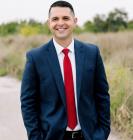
Education
Barry University, Dwayne O. Andreas School of Law, University of South Florida, Florida College, Tampa Catholic High School
Professional Experience
Florida Office of the Attorney General, Hillsborough County State Attorney’s Office
Public Service
See professional experience above
Campaign Phone
813-291-0177
My judicial philosophy is broken into three categories: restraint, textualism and separation of powers. I will always follow the law regardless of any feelings I have concerning that particular law (restrain). When examining the applicable law, I will focus on the ordinary and plain meaning of the text itself (textualism). I respect each branch of government and understand that the duty and responsibility of a Judge is to follow the law and enforce it (separation of powers).
The greatest challenge the is the backlash from indictable on social media platforms who do not have all of the relevant facts the Judge had when making a decision. As a judge, I will stay focused on my duties and stay true to my judicial philosophy.
I understand that not all cases are created equally. Some cases require much more time for different reasons before a resolution or a trial is reached. However, other cases should move at a much quicker rate.
As a Judge, I will always listen to each side before making a ruling a continuance request. However, I will also always be conscious of a legitimate request versus a delay tactic.
Generally speaking, I believe each Hillsborough County citizen has equal access to legal help. However, I understand that many citizens cannot afford private representation due to costs involved. Additionally, many citizens feel like the legal organizations available to help are overworked due to their high demand.
Implicit bias refers to feelings someone has about something without really thinking about it.
As humans, we are all guilty of implicit bias. Throughout my career, I have strived to never let emotional feelings dictate a decision. That mindset would follow me if given the opportunity to serve as a Judge.
Respectfully, I am going to remain silent on this question. In an abundance of caution, I do not want to comment on any cases that may one day become relevant in a ruling that I have to make.
The continued growth of our community.
Our courts handle thousands and thousands of cases each year. We live in a wonderful part of the country but with that comes continued growth.
If elected, I will strive to run an efficient courtroom that will always keep cases moving forward while being fair to each side and following the applicable law.
Education
University of Tampa- BA, Stetson University College of Law-JD
Professional Experience
Attorney for 15 years. Hillsborough County Public Defenders Office; Pennington, PA; Cortes Hodz Family Law & Mediation; Claims Litigation Allstate Insurance.
Public Service
Volunteer with End 68 Hours of Hunger; Member of the Junior League of Tampa, Elder at Palma Ceia Presbyterian Church; Cookie mom, Girl Scouts; Board of Directors for Hillsborough County Bar Association; Member of Local Professionalism Panel
Campaign Phone
813-629-8497
My judicial philosophy is that judges need to be fair and balanced. It is the judge’s role to uphold the rule of law, applying the law equally to all who come before the court. To apply the laws as written. And to do it with compassion and empathy. I believe that being a judge is a public service. I have built my career on advocating for clients and guiding them through the legal process. I know the impact judges have as the person who ensures justice and fairness, who provides finality, and who upholds the integrity of the process for everyone who walks through those doors. I am the only candidate in my race who has represented clients day in and day out in various areas of practice- criminal, family and civil.
The caseload is a challenge for the judicial system because it affects the amount of time it takes cases to move through the system. Court cases dragging on for years is a detriment for those involved. However, it is important that everyone have access to justice and the ability to have their day in court. The key is to find a balance between moving cases along and making sure participants feel heard. Opening up more hearing time can alleviate the caseload while ensuring access to justice.
This is a large County, but I know that Hillsborough County strives to make sure everyone has access to legal help. In partnership with Bay Area Legal Services and other pro bono organizations, Hillsborough County makes legal help accessible at the courthouse. I personally have volunteered with Bay Area Legal Services for many years to provide legal help to those who could otherwise not access or afford it. The courthouse has staff members that provide information and resources to those who may need assistance in the legal system.
An implicit bias is an unconscious stereotype or feeling towards people or groups. An implicit bias is not something a person necessarily believes, as it is an unconscious attitude. I have attended trainings on this issue listening to presentations that describe where these unconscious biases can come from. To mitigate biases, it is important to have self awareness and acknowledge that everyone has implicit bias. It is next important to consciously engage with people of different races, genders, backgrounds, economic levels, ages, etc. to build relationships and allow your unconscious mind to re-wire and dispel any unconscious biases. Exposure to people and groups that differ from yourself helps to build relationships.
There are many significant decisions over the history of the US Supreme Court. Having started my career as an Assistant Public Defender, Gideon v. Wainwright is a significant case because it upheld the right to have an attorney appointed under the Sixth Amendment and Miranda v. Arizona because it upheld the right against self incrimination under the Fifth Amendment. The rights established by these cases are the fundamental basis of our criminal justice system. Over the history of the Court, there have been many significant decisions that have shaped the legal system, not just in the context of criminal law. US Supreme Court decisions have long lasting impact across areas of practice and circumstances.
The caseload and ensuring that everyone has a chance to have their day in court. The caseload can also create challenges to giving litigants finality to their cases. The key is to find a balance between moving cases along and making sure participants feel heard. Opening up more hearing time can alleviate the caseload while ensuring access to justice. Having hearing time gives litigants the opportunity to be heard and allows the case to move along quicker by having issues like scheduling and Discovery addressed, rather than unnecessarily delay the case.