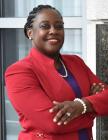
Civic Positions/Experience
Azam Law and Mediation, P.A., Attorney/Mediator 2023-present; Divine & Estes, P.A., Attorney 2003-2023; Special Magistrate Orange County Tax Collector, 2020-2026
Education
American University WC of Law, 2003 J.D.; University of Miami, 2000, B.A.
Campaign Phone
4073758383
My courtroom experience has taught me that effective judicial management begins with listening. As a mediator, I learned how to hear all sides, identify and narrow the scope of the core issues in dispute, and help parties work toward resolution. Those skills would help me create a court environment where people feel heard while ensuring cases move efficiently. I have also worked extensively in county court with unrepresented, pro se litigants and understand that many people enter the courtroom unfamiliar with the legal process. While maintaining neutrality, I would ensure proceedings are clear, accessible, and respectful so all parties understand the process and have a meaningful opportunity to be heard.
While judges cannot control public defender caseloads or allocate resources, they can manage their courtrooms in ways that promote fairness and make sure attorneys have adequate time to prepare.
Effective judges use active case management to reduce delays, set realistic deadlines, promptly address discovery issues, and resolve procedural matters efficiently.
Judges can also improve access to justice by encouraging early communication between counsel, and ensuring defendants understand their rights and the court process.
For the past six years, I have served as a Special Magistrate for the Orange County Tax Collector, where I regularly presided over politically charged matters that significantly impacted residents, the area attractions, the airport, university systems and businesses. In that role, I am required to exercise impartiality, carefully evaluate the evidence, and issue well-reasoned decisions grounded solely in the law. Judicial independence is preserved when judges remain faithful to the rule of law and make decisions based on the facts and applicable law, and not personal politics or outside pressure. Public confidence in our courts depends on judges who demonstrate integrity and impartiality.
In more than 23 years of practice, I have seen the challenges created by growing caseloads, language barriers, and increasing numbers of self-represented litigants. For the future I would advocate for more active case management, early dispute resolution through mediation, and the thoughtful use of technology, including remote hearings. As a mediator, the main change I would advocate for is expanding pre-suit mediation requirements in appropriate civil cases. Encouraging parties to engage in meaningful settlement discussions before litigation begins can reduce court congestion, lower costs, preserve relationships, and allow judges to focus limited judicial resources on cases that truly require court intervention.
The most effective methods are active case management, use of all avenues for early dispute resolution through mediation, and effective use of technology. Florida’s recent Supreme Court case management rules require judges to take a more active role in moving cases forward. Judges who set firm deadlines and hold parties and attorneys accountable help reduce delays and backlog. As a mediator, I know early mediation can resolve many disputes before they require extensive court involvement, saving time and resources for litigants and the court. Zoom hearings have also improved access and efficiency by allowing routine matters to be handled more quickly. Expanding these practices will help courts deliver timely, fair, and accessible justice.
Civic Positions/Experience
THE FLORIDA BAR, Bar Number 0056523; Paul C. Perkins Bar Association (PCPBA), 2015-2016 President; Orange County Bar Association (OCBA) 2010- Current; Orange County Bar Association Foundation, 2020-2026, 2024-2025 President; Central Florida Association of Criminal Defense Lawyers, Board Member, 2009
Education
UNIVERSITY OF MIAMI SCHOOL OF LAW, J.D., 2008; FLORIDA A&M UNIVERSITY,, M.B.A. 2005, B.S. 2005
Campaign Phone
407-802-3223
My courtroom experience has shown me that effective judicial leadership requires preparation, fairness, professionalism, and respect. Having represented clients in criminal, family, and civil matters, I understand the importance of efficient case management and treating every person with dignity. As a judge, I would begin proceedings prepared and on time, set clear expectations, encourage professionalism, and ensure every litigant has the opportunity to be heard. My goal would be to foster a courtroom that is respectful, efficient, impartial, and committed to the fair application of the law while promoting public confidence in the judicial system.
Having served as a public defender, I understand firsthand the challenges of high caseloads and the importance of protecting every defendant's constitutional right to effective assistance of counsel. A judge must remain impartial while ensuring attorneys have adequate time to prepare, addressing justified requests for continuances, and preventing unnecessary delays. Judges should promote efficient case management and ensure defendants understand their rights. By balancing efficiency with fairness and safeguarding due process, a judge helps maintain public confidence in the justice system and the integrity of every proceeding.
Judicial independence is preserved by an unwavering commitment to the rule of law, the Constitution, and the judicial oath—not political pressure or public opinion. Judges must decide every case based solely on the facts, the law, and binding precedent while remaining fair and impartial to all parties. Transparency in the courtroom, adherence to the Code of Judicial Conduct, and avoiding even the appearance of impropriety help maintain public trust. Although judges may be elected, their duty is to administer justice without favor, bias, or influence from political or outside interests.
My vision is a judicial system that is fair, efficient, accessible, and worthy of the public's trust. I would advocate for increased judicial resources, including additional judges in rapidly growing communities like Orange County, to reduce case backlogs and improve timely access to justice. I also support greater use of technology to streamline court operations while ensuring equal access for all participants. Investing in judicial education and community outreach can further strengthen public confidence. Every person deserves a court system that resolves cases promptly, treats all with dignity, and applies the law fairly and impartially.
The most effective methods include active case management, early case conferences, consistent scheduling, and the use of technology to streamline filings and hearings. Judges who begin on time, encourage professionalism, and address issues early can reduce unnecessary delays while ensuring fairness. I would also encourage the appropriate use of alternative dispute resolution in eligible cases and promote clear communication with attorneys and self-represented litigants regarding courtroom expectations. Efficient dockets should never come at the expense of justice. Every case deserves thoughtful consideration, timely resolution, and respect for the rights of all parties.