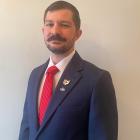
Candidate has not yet responded.
Candidate has not yet responded.
Candidate has not yet responded.
Candidate has not yet responded.
Candidate has not yet responded.
Training and Experience
Certified Safety Professional (CSP); Certified Manager of Quality and Organizational Excellence (CMQ/OE); Certified Quality Auditor (CQA); U.S. Army Explosive Ordnance Disposal (EOD) Veteran; Over a decade of leadership in environmental remediation and public safety
Volunteer/Community Service
Bomb Techs Without Borders; American Legion
Ohio’s elections should be both easy to participate in and trusted by the public. I support policies that increase access to voting while maintaining strong safeguards to ensure integrity.
Voting should remain accessible for working families, seniors, and veterans by protecting early voting and ensuring absentee voting remains reliable and secure.
Election policy should be practical and bipartisan, focused on increasing participation and public trust rather than creating unnecessary division.
Ohio’s tax system should be fair, predictable, and focused on long term growth. Right now, too much of the burden falls on homeowners through property taxes, while the system remains overly complex.
We need meaningful property tax reform that provides relief to seniors and working families, while also addressing how we fund our schools. Relying heavily on local property values creates inequality between communities and constant upward pressure on taxes.
Ohio should simplify the tax code, improve transparency, and ensure tax policy supports small businesses and sustainable economic growth.
We should focus on lowering the biggest cost drivers for Ohio families. This includes meaningful property tax relief and increasing housing supply so prices can stabilize over time.
We also need reliable and affordable energy by strengthening infrastructure and ensuring responsible production. Addressing rising insurance and healthcare costs should be part of the conversation as well.
Supporting job growth and wage opportunities, along with disciplined and transparent state spending, will help ensure families can keep up with the cost of living.
Our education system should focus on strong outcomes for students while being fair and sustainable for taxpayers. For K-12, that means addressing how we fund schools so the system is more consistent across communities, while supporting teachers and maintaining high academic standards.
We should also prioritize career and technical education so students have pathways into skilled trades and good paying jobs. For higher education, the focus should be on affordability, workforce alignment, and ensuring students are prepared for careers without taking on excessive debt.
Reducing hyperpartisanship starts with how elected officials choose to lead. I would prioritize working across the aisle on practical issues where agreement is possible and avoid using divisive rhetoric for political gain.
I support greater transparency in the legislative process so decisions are clear and accountable, which helps rebuild public trust. I will encourage open dialogue with constituents and focus on results instead of party labels to shift the culture toward cooperation.