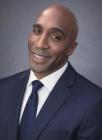
Training and Experience
Behavioral therapist working with children with special needs in home and school environments. Former External Affairs and Strategy Manager for Junior Achievement of Eastern Ohio. Director of Programming and Policy for Associates in Counseling & Child Guidance. Former Director of Public Policy Programs for Rucci Law and Land Development. U.S. Army Reserve veteran and OHSAA basketball and football official.
Volunteer/Community Service
Founder and Executive Director of Walk A Mile (WAM), a nonprofit providing shoes, clothing, school supplies, and meals to children, veterans, seniors, and families in need throughout the Mahoning Valley. Walk A Mile also promotes healthy food access
Ohio’s elections must be secure, transparent, and accessible. Public confidence depends on clear rules, strong safeguards, and honest communication. Voting systems should protect both integrity and access by ensuring secure processes, accurate information, and support for working families, seniors, and people with disabilities. Voters deserve factual data on election security, including real statistics on fraud, so misinformation doesn’t undermine trust. My approach to public service is rooted in fairness, and I believe transparency, voter education, and clear communication strengthen confidence and ensure every voice is heard.
Tax policy should be fair, stable, and support strong communities. Local governments rely on predictable revenue for schools, safety, and infrastructure, so reforms must consider real impacts. Major initiatives—like universal vouchers—should undergo full cost analysis before passage, especially when they shift billions from public schools and raise local taxes. Voters deserved clear information before such changes. Ohio needs alternatives to property‑tax‑heavy funding and policies that help seniors stay in their homes rather than shifting wealth upward. Responsible tax policy should strengthen schools, support working families, and sustain local communities.
Ohio families face rising costs for housing, food, healthcare, and utilities. State policy can help by expanding the Homestead Exemption, increasing the state share of school funding, and encouraging more housing types to reduce shortages. Incentives for building starter homes and workforce housing can lower prices. Ohio should expand childcare tax credits, improve hospital price transparency, support rural hospitals, limit utility surcharges, strengthen energy‑efficiency programs, expand the Earned Income Tax Credit, and reduce sales tax on essentials. Affordability requires purposeful policy that supports families and strengthens local economies.
Education is one of Ohio’s most important investments, yet public schools haven’t been prioritized. My focus is ensuring schools have the resources they need, supporting educators, and expanding career and technical pathways so students can pursue college, trades, or entrepreneurship. Evidence‑based literacy and math programs, paired with state‑funded instructional coaches, can strengthen achievement. My work with youth and families shows how vital supportive learning environments are. Education policy should be guided by data, shaped by teachers and parents, and centered on helping every student succeed.
Public service works best when leaders focus on solving problems rather than deepening divisions. Communities benefit when leaders listen, respect different viewpoints, and pursue practical solutions. My experience in the military, in behavioral health, and working with youth has shown me the value of communication and collaboration. Progress happens when people with different perspectives find common ground. Promoting civility starts with leadership that listens, respects others, and prioritizes community well‑being. Focusing on shared goals helps rebuild trust and strengthens our communities.