Training and Experience
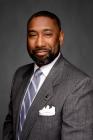
Strategic and mission-driven public affairs executive with over 20 years of leadership in democracy protection, policy advocacy, and civic engagement. Recognized for advancing equitable access to education, government, and voting systems through coalition building, community partnerships, and issue-based campaigns across Ohio. Experienced in billion plus dollar budget oversight, leading organizational change, and mobilizing stakeholders to drive outcomes that empower
Volunteer/Community Service
Former: • Ohio School Board Association, State Trustee • Federal Legislative Advocacy Group, National Delegate (Ohio) • Council of Great City Schools Board Member • Current: Alpha Phi Alpha Fraternity, Incorporated
Reducing the horrible effects of Senate Bill 293 will be a chief effort of the office to protect voters. As State Representative, I will introduce legislation that provides funding to local Boards of Elections to help citizens understand the requirements of Ohio SBill 293 and maintain their voter registration. My bill will protect both naturalized and American-born Ohioans from being removed from the voter rolls without proper notice and time to correct any issues. I will also seek to expand voter registration opportunities through driver’s license and certification renewals and strengthen civic education, so all lawful citizens are connected to the democratic process. I will work to ensure that purged voters will have a clear, no-cost process to restore their registration.
Ohio needs targeted tax reform that protects seniors while preserving vital local services. I support capping property tax growth for homeowners age 65 and older with fixed incomes so they can remain in their homes with dignity. Rising property taxes are pushing many seniors out of the homes they spent decades paying for.
Property taxes remain essential. According to the Ohio Legislative Service Commission, Ohio collected $18.3 billion in property taxes in 2020, a 4.6% increase from 2019, and about two-thirds of those revenues fund local schools, while also supporting libraries, senior services, children’s services, and mental health programs. Sensible reform should protect seniors without undermining the communities these revenues sustain. We can find a balance.
To address the rising cost of living, I will focus on policies that ease the financial strain on working families, especially when it comes to healthcare. I will sponsor or support legislation that expands access to Medicaid so working families and their children can receive affordable care without risking financial hardship. While some Medicaid reforms have helped working families gain coverage, serious threats remain to one of the most reliable sources of affordable healthcare. Current policy changes could result in as many as 435,000 Ohioans losing coverage, while stricter eligibility checks may disrupt care for more than 770,000 low-income residents, many of whom are working. Moreover, I will work to reduce unnecessary red tape and protect access to coverage for Ohio families.
My top priority is strengthening Ohio’s public education system from early childhood through career training. I will work to increase the state’s investment in PreK–12 public schools, with strong attention to K–5 literacy and middle school math, so students build the skills they need early. I will introduce a bill that seeks to divert EdChoice dollars to assist with childcare costs. We must expand support for career technical education that prepares students for high-demand fields like agriculture, healthcare, infrastructure, information tech, and public education. These training programs should also be available to adults seeking new careers and better wages. If Ohio wants to compete in the global economy, we must invest in the people who will build safe and thriving communities.
Throughout my leadership experience, I always sought to model my best self and create environments that encourage others to do the same. Reducing hyperpartisanship requires a focus on listening to understand and seeking to find shared values. I will work within and across party lines and legislative chambers to pass practical policies that meet real needs in ways that make the best opportunities for everyday Ohioans. I support open dialogue, fairness, and transparency to build trust. I am also knowledgeable enough to trust people for who they present themselves to be and plan accordingly. By rejecting retaliation and gridlock, we can focus on solutions that serve Ohioans. Civility is essential for solving problems and moving our communities forward together.
Training and Experience
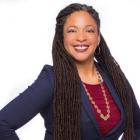
Former Near East Area Commissioner, Google AI Certified, IC3 Certified, Career Tech Educators License, 30+ year career in non-profit management, education & business. .
Volunteer/Community Service
Advisory Board Member for Chamberlain College of Nursing. Advisory Board Member for Lifeline of Ohio. Member of the League of Women Voters. Member of the National Pan-Hellenic Council (Immediate Past President), UpliftHER Scholarship Chair
Ohio consistently ranks above the national average in voter participation during presidential elections, with turnout exceeding 70% in 2020 according to the Ohio Secretary of State. My priority is to preserve voter confidence while ensuring access remains reasonable and orderly. I support maintaining early voting and absentee options that Ohio voters are familiar with, while ensuring election systems are secure, well-funded, and professionally administered at the local level. Any changes to election law should be data-driven, narrowly tailored, and focused on clarity—not constant rule changes that confuse voters or election workers. Stability in election administration builds trust, and trust is essential to democratic participation.
Ohio’s tax system should remain competitive while being predictable and fair for working families and small businesses. According to the Institute on Taxation and Economic Policy, Ohio’s tax structure is relatively regressive, with lower-income households paying a higher share of their income in state and local taxes. I support targeted reforms that provide relief to working families—such as property tax protections for seniors and homeowners on fixed incomes—while carefully evaluating tax incentives to ensure they deliver real economic returns. Tax policy should prioritize broad-based growth, fiscal responsibility, and accountability, rather than short-term giveaways that strain future budgets.
Data from the Bureau of Labor Statistics shows that housing, utilities, food, and transportation are the primary drivers of cost-of-living increases in Ohio. Addressing these pressures requires practical, incremental solutions. I support policies that encourage housing supply through adaptive reuse of vacant buildings, workforce housing incentives, and infrastructure planning that keeps utility systems sustainable. Energy efficiency investments—especially for seniors and homeowners—can reduce long-term utility costs, while responsible oversight of rate increases protects consumers. Addressing cost-of-living challenges means reducing monthly expenses, not just increasing wages.
Strong schools are essential to Ohio’s long-term economic competitiveness. Research from the Ohio Department of Education shows that students with access to career-technical education and postsecondary credentials experience higher employment and earnings outcomes. My career has been devoted to preparing people for the workforce and entrepreneurship. My priority is ensuring K–12 funding is stable, classrooms are safe, and students graduate with practical skills. I support expanding career pathways, apprenticeships, and partnerships with local employers, while keeping higher education affordable and aligned with workforce needs. Education investments should be tied to outcomes, transparency, and long-term economic return for both students and taxpayers.
Public trust in government remains low nationwide, with Gallup consistently reporting declining confidence in political institutions. Reducing hyperpartisanship requires leaders who focus on problem-solving rather than rhetoric. I believe in working across ideological lines on shared priorities such as infrastructure, workforce development, and public safety. Civility grows when leaders are transparent, fiscally responsible, and responsive to constituents—not national political pressure. My approach is rooted in listening, data, and outcomes, because effective governance depends on results, not division.