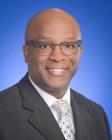
Candidate Statement
I am running for State Senate because the challenges facing Indiana are not just political issues—they are moral issues that affect the everyday lives of our families. For more than 30 years I have served as a pastor in Indianapolis, working alongside families, educators, and community leaders to strengthen our neighborhoods. I founded Purpose of Life Academy to support early childhood education and I serve as a Mental Health First Aid Instructor helping communities address mental health challenges. My campaign is focused on affordability, strong public schools, accessible healthcare, and responsible economic growth that protects our communities and natural resources. Indiana can grow without sacrificing the things that make our communities strong. I believe leadership means listening to people, bringing diverse voices together, and working for practical solutions that improve the lives of Hoosiers.
Education
University of Ky. - Bachelor of Science; Crossroads Bible College - Bachelor of Religious Education; Anderson School of Theology - Graduate Studies (Master of Divinity Program)
Occupational background
Senior Pastor of Purpose of Life Ministries
Political Office(s) Held in the Past
None
Campaign Phone (public)
(317)426-6744
Lowering the cost of living must start with protecting homeowners and renters. I support meaningful property tax relief for homeowners and seniors while ensuring local governments and schools remain financially stable. That means reforming how property tax increases occur, increasing transparency in assessments, and providing targeted relief without shifting the burden onto schools.
We must also address rising housing costs by encouraging the development of workforce housing and reducing unnecessary barriers that drive up construction costs. On utilities, the state should strengthen oversight of rate increases and ensure large corporate developments, such as data centers, pay their fair share of infrastructure and energy costs.
Indiana can grow while keeping communities affordable. We need smart policies that lower costs for families while protecting the funding our schools and essential local services depend on.
The state has a responsibility to ensure Hoosiers can access affordable, quality healthcare. That includes strengthening Medicaid and public health programs, improving price transparency, and increasing oversight of hospital and pharmaceutical costs that drive up premiums and medical bills.
We must also invest in prevention and community-based care. Expanding mental health services, supporting primary care providers, and increasing access to behavioral health treatment can reduce costly emergency care and improve long-term health outcomes.
Healthcare should treat the whole person, including physical and mental well-being. By investing in prevention, supporting providers, and promoting transparency in healthcare pricing, the state can help lower costs while ensuring every Hoosier has access to the care they need.
Public education is a promise we make to every child and every community. Traditional public schools educate the vast majority of Indiana students and should remain the state’s top funding priority. State funding should be transparent, accountable, and aligned with the responsibility to serve all students.
Charter schools and voucher programs that receive taxpayer dollars should meet the same academic and financial accountability standards as public schools. At the same time, we must invest in proven strategies that improve student outcomes—supporting teachers, expanding early childhood education, strengthening career and technical education pathways, and ensuring schools have the resources they need to help every student succeed.
A strong public education system strengthens our workforce, our economy, and our communities.
Improving public safety requires both effective law enforcement and strong community partnerships. The state should support local police departments with the training, resources, and technology they need while also investing in prevention strategies that address the root causes of crime.
That includes expanding access to mental health services, supporting youth development programs, and strengthening reentry programs that help people successfully return to their communities after incarceration.
Lawmakers must also protect civil liberties while ensuring transparency and accountability, so communities trust the systems designed to protect them. When law enforcement and communities work together, public safety improves for everyone.
Indiana should pursue economic growth that creates good jobs while protecting the resources our communities depend on. Attracting technology companies and data centers can strengthen our economy, but development must be planned responsibly.
The state should require transparency around energy use, water consumption, and environmental impacts before approving large-scale projects. Companies that benefit from public incentives should also contribute fairly to the infrastructure and energy costs their projects require.
We should prioritize growth that supports local communities, protects natural resources, and keeps utility costs affordable for residents and small businesses. Economic development should strengthen Indiana’s future without sacrificing the environment, public resources, or the quality of life that makes our communities strong.
If I could pass one major piece of legislation, it would be a comprehensive plan to expand access to affordable, high-quality childcare across Indiana. Childcare is an essential infrastructure that allows parents to work, supports early learning, and strengthens our economy.
Too many families cannot find or afford quality childcare, and too many providers struggle to stay open. This is a bipartisan challenge affecting both urban and rural communities, as many childcare centers have closed in recent months.
I would work to expand childcare assistance for working families, invest in early childhood education, and strengthen support for childcare providers so they can recruit and retain qualified teachers. Funding can come from prioritizing existing workforce and economic development investments that recognize childcare as critical to Indiana’s economic future.
Candidate Statement
When I was elected President of the Pike Township Board, I took an oath to help not harm the people I serve. That principle guides my work and is why I’m running for State Senate. I bring experience as both a current elected official in Senate District 29 and a Clinical Director of Operations, where I managed complex systems, improved outcomes, and ensured accountability in healthcare and human services. My background in higher education has also allowed me to expand opportunities for students. In office, I’ve protected neighborhoods, supported essential services, and made decisions that put residents first. At the Statehouse, I will focus on strengthening public schools, lowering healthcare costs, supporting working families, and protecting vulnerable communities. Indiana has the resources we must prioritize people. I would be honored to earn your vote and continue serving with a commitment to help—not harm.
Education
Associate of Applied Science (AAS), Bachelor of Behavioral Science (BS), Master of Social Work (MSW)
Occupational background
Social Services- Director of Clinical Operations
Political Office(s) Held in the Past
Pike Township Board District 2 Representative
Campaign Phone (public)
3175602495
Lowering the cost of living in Indiana starts with putting people first and ensuring government helps—not harms—communities statewide. As President of the Pike Township Board, I have delivered real results by making responsible budget decisions, allocating resources strategically, and protecting essential services despite cuts at the federal and state level. On utility costs, I will fight to stop rate increases that shift costs onto consumers and strengthen the role of the Citizens Action Coalition so their recommendations are enforceable. I also support eliminating the sales tax on utilities. On property taxes, I support targeted relief for homeowners especially seniors and working households while ensuring schools and local services remain stable through responsible state investment. Indiana has a strong surplus and reserves we have the resources to lower costs and support residents. I will also work to break up healthcare monopolies and expand House Bill 1604 to include more meds.
The state should take a more direct role in lowering healthcare costs by addressing the out-of-pocket burden people face every day. High-deductible plans often make care unaffordable even for those who are insured. We should work to limit excessive deductibles, expand more affordable plan options, and ensure coverage actually provides access to care not just coverage on paper.
The state must also hold healthcare systems accountable by increasing oversight, preventing anti-competitive practices, and requiring clear, upfront pricing so patients know what they will pay. Expanding access to affordable prescription drugs and investing in preventative and community-based care will also help reduce long-term costs.
Healthcare should be affordable, transparent, and accessible and the state has a responsibility to make sure it works for people.
As a State Senator, I would ensure Indiana balances education funding by prioritizing students and outcomes not systems. Traditional public schools educate the majority of Hoosier students and must be fully funded first so every child has access to a high-quality education.
Charter schools and voucher programs can play a role, but any school receiving public dollars must meet the same standards for accountability, transparency, and student performance. We cannot continue expanding programs without ensuring they are delivering real results for students.
To improve outcomes, I would focus on increasing teacher pay, ensuring funding reaches classrooms, expanding support for students with special needs, and investing in early learning and career pathways. We must also ensure resources are not spread so thin that they weaken the schools most families depend on.
Our goal should be clear: every student, in every community, deserves the opportunity to succeed.
Improving public safety in Indiana requires a balanced approach that combines effective enforcement, prevention, and strong community partnerships.
As a Director of Clinical Operations I will bring a therapeutic lens to this issue as State Senator. I would support investing in law enforcement while also addressing root causes through mental health services, violence prevention, and youth and workforce opportunities. We must also strengthen rehabilitation and reentry efforts so individuals given a second chance have access to job training, education, and stable housing reducing repeat offenses and making communities safer.
At the same time, law enforcement must have the resources and training needed to do their jobs effectively, while maintaining strong accountability and transparency. Public safety is strongest when there is trust between law enforcement and the communities they serve this is what true enforcement and civil liberties should look like.
Indiana should pursue economic growth in a way that protects residents while creating real, long-term opportunity for the area. That includes being thoughtful about large scale developments, including data centers, and ensuring communities have a voice in decisions that directly impact them.
As a State Senator, I would support policies that keep energy costs low and prevent large projects from shifting costs onto residents through higher utility bills. We should also require clear standards for energy use, water consumption, and environmental impact.
Local communities should have a stronger say through tools like ballot questions or local input so growth reflects the will and best interests of residents.
Indiana’s approach should focus on smart, balanced growth that protects affordability, respects local control, and delivers real benefits to our communities.
If I could pass one major piece of legislation, it would be a Cost of Living Relief Act focused on lowering everyday expenses for residents in Senate District 29.
Families across Pike, Wayne, Zionsville, and Carmel are feeling the pressure of rising utility bills, healthcare costs, and housing expenses. This legislation would eliminate the sales tax on utilities to provide immediate relief, strengthen consumer protections in utility rate cases so residents are not forced to subsidize large projects, and expand access to affordable prescription drugs.
This would be implemented through targeted investments using Indiana’s existing budget surplus and strong reserves ensuring we provide relief without cutting funding for schools or local services. By prioritizing existing resources and holding systems accountable, we can lower costs while maintaining fiscal responsibility.
This is about making government work for people.
Candidate Statement
I'm running for Indiana State Senate District 29 because I believe government works best when it listens to—and understands—the people it serves. Over the past 20 years, I've worked on health policy in 23 states — as a Deputy Director for Indiana Medicaid, with AARP, in the private sector, and as a consultant — giving me a clear view of what works, what doesn't, and how decisions at the Statehouse affect families. I'm a lifelong Hoosier who grew up on the east side of Indianapolis and in New Palestine, raised by parents who taught me the value of community, hard work, and showing up for others. Today, I'm a wife and mom of three. On the weekends, you can find me cheering or coaching their teams. I'm running for State Senate to bring common sense, compassion, and real-world experience to the decisions that shape our future. Indiana deserves leaders who know this state, love it, and are ready to do the work—and I'd be honored to earn your trust and your vote.
Education
Bachelor of Science, Ball State University (2005); Master of Public Affairs, Indiana University - Indianapolis (2008)
Occupational background
Healthcare advocate
Political Office(s) Held in the Past
None
Property taxes - Over many years, the Legislature has added tax breaks and credits to an outdated property tax base formula instead of revising it. The result is a confusing system that leads localities to increase property taxes through referendums to fund schools and local services, yielding little net savings for taxpayers. Lawmakers should undertake the hard work of reviewing and designing simpler structures that tax residents and businesses fairly to fund schools and local services.
Utilities – Since 2013, multiple bills have passed that allow utilities to increase rates with little to no oversight from the IURC. Specifically, there are trackers that allow utilities to bypass IURC review and raise rates with little to no oversight. These trackers should be repealed to allow the IURC to do its job in regulating utility providers. Additional policies, such as repealing the sales tax on utilities for residential customers, can help lower the cost of living for Hoosiers.
While Indiana often aims to lead in national rankings, being consistently among the top ten for healthcare costs is not a distinction worth keeping. Multiple state agencies oversee providers, insurers, and pharmacy benefit managers, all of which shape what Hoosiers pay. Yet weak oversight—especially of hospital mergers—has reduced competition in some regions, driving prices higher than in neighboring states. A recent Terre Haute merger was approved despite warnings it could raise patient costs. Indiana should more actively use its authority to block deals that increase prices without clear public benefit.
At the same time, publicly traded insurers and pharmacy benefit managers face inherent conflicts of interest: serving patients and employers versus maximizing shareholder returns. Stronger, fiduciary-like standards are needed to ensure these entities act in the best interests of those who rely on and pay for their services.
Indiana is investing less in its students today than it did over a decade ago—$100 less per child when adjusted for inflation—placing the state 37th nationwide in per-student funding. That’s not just a statistic; it’s a warning sign. As limited resources are stretched thinner across traditional public schools, charter schools, and voucher programs, we risk leaving behind a generation of Hoosier students without the skills they need to succeed in reading, writing, and math.
Before debating how to divide the pie, we should be asking why the pie is shrinking. Indiana needs meaningful investment in competitive teacher salaries that attract and retain great educators, smaller class sizes that allow for individualized attention, and targeted support for students who are falling behind. If we want stronger outcomes, we have to start with stronger financial commitment.
Safer communities start with investing in people. For too long, we have underfunded behavioral health, homelessness services, K–12 education, workforce development, and youth programs—the very foundations of public safety. When people have access to care, stable housing, and opportunity, communities become safer and stronger.
Instead, recent policies have moved us in the wrong direction—criminalizing homelessness, creating executive military policing powers, and requiring local institutions to participate in federal immigration enforcement, even when legality is questionable. These policies deepen public mistrust and put civil liberties at risk.
Real public safety is built on trust, dignity, and opportunity. By investing in people rather than punishing vulnerability, Indiana can create safer communities for all Hoosiers.
Indiana needs a major reset in its approach to economic development. For two decades, the state has underinvested in education while relying on corporate incentives to attract jobs. That strategy produced short-term gains, but left Indiana with a less competitive workforce and shrinking access to tomorrow's jobs.
To correct course, we should prioritize educating more in-state students in high-quality technical fields at our universities so graduates stay and contribute locally. We should also refocus the IEDC on measurable outcomes—such as private investment generated per public dollar—rather than on headline job counts, especially given that projects like data centers often yield limited ongoing employment and consume substantial resources.
Finally, Indiana must focus on attracting creative, entrepreneurial talent by improving the quality of life and business climate, not just offering financial incentives, which any state can provide.
I would eliminate the waiting list for the childcare voucher program and expand access to On My Way Pre-K. Childcare assistance is not merely a support service—it is a powerful economic catalyst. It enables parents to return to work, fuels job creation, attracts employers, and strengthens our economy from the ground up.
We can fund these investments responsibly by recognizing the broader fiscal impact As more families achieve stability, reliance on public assistance programs such as SNAP, TANF, and Medicaid declines—creating meaningful savings. Additionally, we can ensure our resources are directed where they are needed most by placing reasonable caps on school choice vouchers for higher-income households, and reinvesting those funds into childcare and early education opportunities for lower-income Hoosiers.
By prioritizing early childhood access, we are not just supporting families—we are laying the foundation for a more vibrant, resilient, and prosperous future for our entire state.
Candidate has not yet responded.
Candidate has not yet responded.
Candidate has not yet responded.
Candidate has not yet responded.
Candidate has not yet responded.
Candidate has not yet responded.