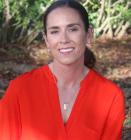
Education
Bachelors Degree in Biology
Experience
Wellington Planning & Zoning Board, Rotary Club of Wellington, Past President of Wellington Chamber and Past Board Member, Member of American Legion Post 390, FNBCC Bank Board, Past Chairman of American Cancer Society Relay for Life.
Endorsements
PBA, Rep Anne Gerwig, Councilwoman Amanda Silvestri, Councilwoman Maria Antuna
Instagram
johnny.vote/
Campaign Phone
9543050078
Affordability! We need to lower our millage rate to allow our citizens to be able to afford to stay in their homes.
Our equestrian lifestyle. It makes Wellington. Wellington. We need to ensure we keep the preserve unadulterated and continue to foster our unique history.
I think we can cut our budget and not lose a single amenity or sacrifice safety. Our budget has ballooned and needs a full audit.
There is so much waste in our government. There are overlapping positions and funds wasted on pet projects. As an exercise, I would like every dept head to provide me a report where they can cut 20% of their dept budget.
Luckily we don't have many if any homeless in our Village so I would say we haven't had to deal with much of that to date.
Education
Cornell University
Experience
Small Business Owner and Equestrian
Instagram
elizabethforwellington
Campaign Phone
5612983494
Wellington’s biggest threat is growth that outpaces planning and accountability. Rapid development pressures risk straining infrastructure, reducing open space, and eroding the character that drew residents here in the first place. Addressing this requires disciplined land-use decisions, transparency, and long-range planning that prioritizes concurrency, water resources, and traffic capacity. The Village must use every local tool available to protect quality of life, demand data-driven justifications for development approvals, and meaningfully engage residents before decisions are made. Growth should be intentional, not reactive, and guided by what Wellington can sustainably support.
Wellington’s greatest strength is its strong sense of community and identity. Residents care deeply about where they live: our schools, parks, equestrian heritage, neighborhoods, and local businesses. That civic pride is an asset, and the Village should build on it by fostering greater public participation, clearer communication, and collaborative problem-solving. When residents are informed and included early, outcomes improve and trust grows. Protecting open space, supporting local businesses, and planning thoughtfully for the future all reinforce the community character that makes Wellington, Wellington.
Property tax relief is an understandable goal, but eliminating or significantly reducing it without a reliable replacement would shift costs or force cuts to essential services like public safety, infrastructure maintenance, and parks. Any change must be paired with a stable, equitable revenue alternative that does not disproportionately burden residents. In the meantime, municipalities should focus on fiscal discipline, long-term budgeting, and diversifying revenue where appropriate, such as the school zone speeding fines, without overreliance on growth to pay for existing needs. Responsible governance means balancing tax relief with the obligation to maintain the services residents depend on. We must be prepared for what might come down t
Wellington has historically done a good job managing its budget. We maintain one of the lowest millage rates in Palm Beach County while still providing high-quality services that residents expect and value. That said, continued growth brings new demands, and expanding the budget requires careful attention and balance. Opportunities for savings come from thoughtful long-term planning, regular review of spending as growth occurs, and ensuring that new services or infrastructure are truly sustainable before commitments are made. Fiscal responsibility means protecting what works today while planning prudently for tomorrow.
While Wellington does many things well as a community, I believe this is an area that needs improvement. At times, it feels as though homelessness is something we try to minimize or sweep out of sight rather than address directly. We do not currently have sufficient local resources or support systems in place to meaningfully solve the problem.
Wellington does not have a dedicated homeless services facility, and the closest comprehensive shelters and support services are located in West Palm Beach through Palm Beach County and partner organizations. Those facilities already operate near capacity, which highlights the importance of regional coordination rather than simply shifting the issue elsewhere. Managing this issue under the new state
Education
J.D. 2003 - Northwestern University School of Law; B.S. 1998 - Cornell University
Experience
Currently serving on Village of Wellington Planning and Zoning Board; Small Business Owner and CEO; Former land-use and litigation attorney
Endorsements
Village of Wellington Mayor Michael Napoleone; Village of Wellington Vice-Mayor Tanya Siskind; Professional Firefighters/Paramedics of Palm Beach County, Local 2928, IAFF; Palm Beach County Human Rights Council; Palm Beach County School Board member Marcia Andrews
Campaign Phone
(305)9843862
The Village of Wellington's greatest threat is the pressure created by development that has already been approved. These projects can bring benefits, but if they are not carefully managed, they can strain infrastructure, impact public safety, affect quality of life and change our character. The key issue now is making smart, disciplined decisions and holding developers accountable to the commitments they’ve made.
I have the skills and experience to do that—by enforcing development agreements, ensuring infrastructure and services keep pace, and making decisions based on data and long-term community needs. With thoughtful oversight and accountability, we can protect residents and maintain the character and stability of our Village.
Our community’s greatest strength is our residents and the many distinct communities that make up our Village. Each brings its own perspective, history, and priorities, and together they form a strong, interconnected whole. That diversity is not a challenge to manage—it’s an asset to protect.
We build on that strength by listening, encouraging collaboration, and making sure every voice has a seat at the table. When decisions are made transparently and with input from across our community, we create solutions that reflect who we are and strengthen the bonds that already exist.
Property taxes place a real burden on homeowners, but they also fund essential services like public safety, road maintenance, and emergency response, as well as the parks and recreation options that our residents enjoy. Eliminating or reducing them without a replacement would shift costs or force service cuts that ultimately hurt residents. Any tax reform should provide meaningful relief while ensuring municipalities have stable, predictable funding. That means pairing tax reductions with a clear plan to replace lost revenue, improve efficiency, and protect the services taxpayers rely on and expect for their dollars.
I see opportunities to save by reviewing how we deliver services and streamlining internal processes. By reducing redundancies and using data to guide decisions, we can ensure taxpayer dollars are spent wisely without cutting essential programs. Smarter use of technology and thoughtful planning can help us operate more efficiently while maintaining the quality of services residents rely on every day.
Homelessness and public camping have not been a widespread issue in our municipality, so the specific challenges addressed by House Bill 1365 have not significantly impacted our community. We remain committed to maintaining safe, welcoming public spaces and ensuring our local policies align with state law. Our focus is on preserving the quality of life for residents while addressing any needs responsibly if they arise.