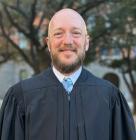
As an appellate justice, a former prosecutor and civil-criminal attorney with state and national legal certifications, I’ve handled thousands of matters in court. I’ve also led large organizations.
Experience and a proven history of advocating fairly from all sides of the docket is a good indicator of a candidate’s likeliness to be fair and impartial. I have handled thousands of matters from all sides, including: ruling over cases fairly as a judge; defending individuals at risk of losing their liberty, their children, and their homes; and advocating for justice as a prosecutor.
The TXSC should be a leader. As a child who grew up transient and homeless and with 15% of Texans living below the poverty level, I understand the need. I have been awarded for my work helping our most vulnerable have access to the court system by drafting legislation and establishing pro bono clinics. I will bring this experience to expand the TXSC commissions that address access to the courts.
We have been experiencing an erosion of our separation of powers and of our civil rights. This election comes at a critical time when our judiciary is under attack and under political pressure. As the first openly gay woman to serve as an appellate justice in Texas, I will bring balance back to our courts; I will not bow to political pressure; and I will protect the laws that protect everyone.
I believe deeply in what our courts are supposed to be: steady, independent, and grounded in the rule of law- that no one is above the law. Upholding my oath to defend our state and national Constitutions is important to provide confidence in our courts. I also believe that our laws should allow for flexibility to rise and shift in response to changes in our values but not to political pressures.
I served 6 years on the Dallas Appeals Court, am Board Certified in Civil Appellate Law, the fundamental law the Court does, and worked cases with over 30 justices, R and D, in my time on the bench.
Each case presents a unique set of challenges that our law either answers or provides a guide to answer. I intend to follow the law and answer the questions presented by the cases before me. Politics want to invade but I found in my time on the Dallas Court of Appeals that focusing on the legal principles and the facts of the cases before me that I could most faithfully apply the law.
The Supreme Court is the highest arbiter of law in the state and should play an integral role in finding funding and people to make our justice system most accessible by the underserved. In my eyes, the court system is only as good as it treats those who need it most, meaning we must strive to meet them where they are when necessary. Our commissions are a good start, but their reach can grow.
The greatest challenge the courts face is the insidious creep of ideology to our highest courts' chambers. Some judges have begun judging more from a personal-political basis in ways that have become destructive to the role of the third branch. I will address it one person at a time, one case at a time, not allowing these judicial lapses go unnoticed, with the goal of eliminating them forever.
The true delight in deciding cases is finding the right answer. When settled law gives an answer, the quest is easy. But when the answer is unclear, we must apply the principles that came before us. Stare decisis is real, and when judges fail to follow precedent, they create uncertainty and diminish respect for the judicial system. I will follow the law in deciding our state's most important cases