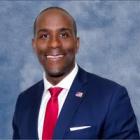
Candidate has not yet responded.
Candidate has not yet responded.
Candidate has not yet responded.
Candidate has not yet responded.
Candidate has not yet responded.
Candidate has not yet responded.
Candidate has not yet responded.
Age
29
Education
Columbia University (Masters in Public Administration), Reichman University (BA)
Hometown
Palm Beach Gardens
County
Palm Beach County
LinkedIn
https://www.linkedin.com/in/jonathan-rubin18/
Florida’s two biggest challenges are affordability and infrastructure.
Families are facing rising costs from housing, insurance, healthcare, and everyday expenses. In my first six months, I will support policies that strengthen workforce development, expand educational opportunity, and invest in projects that lower long-term costs.
Florida must also keep pace with growth through infrastructure, public health, and coastal resilience. I will prioritize transportation, flood mitigation, clean water, shoreline protection, and public health investments that improve quality of life and reduce future costs.
My focus will be practical solutions that keep Florida affordable, resilient, and prepared for the future.
Election integrity and voter access should go together. Since documentary proof of citizenship is required to register to vote, the process should be simple, affordable, and accessible.
I would support making it easier for eligible Floridians to obtain replacement documents by expanding online access, reducing unnecessary fees, improving coordination between state agencies, and creating clear processes for name changes and updated records. Special attention should be given to individuals whose documents may not match due to marriage or other life changes.
At the same time, any system should protect election integrity while ensuring eligible citizens are not prevented from exercising their right to vote because of administrative barriers.
Florida’s housing affordability crisis requires increasing supply while protecting quality of life.
I support expanding housing options through responsible growth, streamlining permitting, reducing unnecessary construction costs, and encouraging public-private partnerships for workforce and attainable housing. For homeowners, infrastructure investments can support sustainable growth and lower long-term costs. For renters, increasing housing availability and expanding pathways to homeownership are essential.
Housing policy must also align with transportation, schools, water systems, and community needs so growth remains affordable and sustainable.
I am pro-life and believe every life has value. At the same time, I support exceptions when the life of the mother is at risk and in cases of rape and incest, consistent with Florida law.
I believe public policy should also focus on prevention and support—expanding access to prenatal care, maternal health services, adoption resources, and family support programs so women and families are not forced into impossible situations.
These issues involve deeply held values, and I believe elected officials should approach them with compassion, respect, and care for both mother and child.
Florida works best when decisions are made at the most effective level of government. Local governments often understand their communities best and should have the flexibility to address local needs, while the state has an important role when issues cross jurisdictional boundaries or require consistency across Florida.
I support preserving strong home rule while using state preemption selectively and thoughtfully. State action can be appropriate for issues that affect economic competitiveness, constitutional rights, or statewide systems, but local communities should retain meaningful authority over planning, infrastructure, public health priorities, and quality-of-life decisions.
The goal should not be state versus local government—it should be accountability, transparency, and delivering results for residents.
Florida should focus on improving access, affordability, and prevention while protecting long-term fiscal stability. As federal support changes and Medicaid costs increase, the state should prioritize investments that reduce healthcare costs before people end up in emergency rooms.
One area where I have seen results is public health and environmental health. Through advocacy efforts, we helped advance legislation addressing PFAS contamination—often called “forever chemicals”—to reduce exposure risks and protect drinking water. Preventive public health measures like clean water, environmental protections, and early intervention can improve outcomes and lower long-term healthcare costs.
I also support strengthening workforce pipelines for healthcare professionals, expanding access to primary and preventive care, and improving efficiency so Floridians can access quality care closer to home.
Property taxes matter, but many Florida families tell me that rising property insurance costs are creating greater financial pressure because they can increase dramatically even when home values do not.
One way to address long-term insurance costs is through smart investments in public health and resilient infrastructure. Flood mitigation, stormwater improvements, clean water projects, shoreline protection, and stronger community preparedness reduce risk and help protect homes and businesses. Communities with lower risk and stronger infrastructure are better positioned for long-term affordability.
I support continuing efforts to stabilize the insurance market while also investing in practical projects that improve public health, strengthen resilience, and reduce future costs for Florida families.