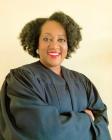
Occupation
Attorney
Education
Southern University Law Center; Louisiana State University “LSU”
Campaign Phone
9723105413
I’ve spent over a decade in Dallas County family court representing real families in real conflict. With 500+ cases including custody battles, protective orders, and child protection, I know what families need when they’re most vulnerable: a judge who listens, evaluates fairly, and understands what’s at stake. I’ve served as Amicus Attorney and Attorney Ad Litem, roles requiring me to be prepared, composed, and relentless when children’s futures were on the line. I earned my JD from Southern University Law Center and undergraduate degree from LSU. I’m ready to reset the bench.
Judges work for the people, not politicians or donors. My decisions will be grounded in the law, the facts, and what’s best for families. I’ve spent my career representing clients from all walks of life and know how to evaluate each case on its merits without bias. I will follow the Texas Code of Judicial Conduct, which requires judges to avoid impropriety and maintain independence. Campaign contributions and familiar ties don’t buy influence in my courtroom. Every family deserves a fair hearing regardless of who they are or who supports my campaign. That’s the standard I’ll uphold.
Access to justice requires action, not just words. For three years, the 256th has had no Spanish-speaking court staff while serving a diverse county. Courtroom doors stay locked when Texas rules require them open. Black fathers are presumed to be weekend visitors instead of capable parents, and mothers automatically favored regardless of facts. Self-represented litigants get condescension instead of guidance. We improve access by hiring bilingual staff, keeping doors unlocked, evaluating every parent fairly, and treating all families with dignity regardless of income or representation.
The most pressing challenge is outdated court culture that puts barriers between judges and families. Locked doors. Dismissive attitudes toward self-represented litigants. Reliance on stereotypes instead of evidence. Lack of language access for Spanish-speaking families. These are systemic failures that undermine trust. I’d address this by keeping my door open, literally and figuratively. Ensuring bilingual staff are available. Evaluating every case on facts, not assumptions. Treating every person with dignity. Courts should serve families, not intimidate them.
My judicial philosophy is simple: fairness, compassion, and respect for the law. Every case deserves individual evaluation based on facts and evidence, not assumptions. Judges should judge cases, not people. Family court is where lives are made or broken, and judges must understand that what happens in that courtroom impacts families for years. I believe in following the law while recognizing that the people in front of me are human beings in crisis, not case numbers. My role is to listen, evaluate fairly, apply the law correctly, and treat everyone with dignity. That’s what justice looks like
Occupation
Judge of the 256TH District Court
Education
J.D., St. Marys University School of Law B.A. English, Wiley College
Campaign Phone
972-885-9791
I have more than 25 years of combined legal and judicial experience. Prior to taking the bench, I practiced Family Law exclusively for more than 20 years. As Judge, I have reduced the caseload, streamlined court processes and created a user friendly and accessible court.
I have received commendations from lawyers for my judicial temperament and my fair treatment of all parties. I have a passion and commitment to public service, and I firmly believe in fairness and justice for all litigants.
Citizens deserve a Judge who is committed to justice and
fairness for all litigants. I am committed to applying the law to the facts and to do what is in a child's best interest.
It is important that the Courts continue to provide access to skilled attorneys via Public Defenders or Private Attorneys in cases where the law mandates attorney representation i.e. CPS, Enforcement of child support, etc. I also think it is important to partner with non profit resources to provide parenting classes, anger management counseling, individual counseling, etc for cases where parents/children could benefit from such services but cannot afford to pay for such services. Also information for Legal Aid or other such low cost or sliding scale legal offices should be made available.
Access to justice is always a pressing issue. As a Judge, I try to streamline court processes to ensure that litigants have a user friendly process to access the court. I strive to treat all litigants fairly.
Fairness matters! Texas Judicial Canons 3(B)(4) states that "...A Judge shall be patient, dignified and courteous to all litigants, jurors, witnesses, lawyers and others with whom the Judge deals in an official capacity..." I believe in this canon, because simply put, we should treat others in the manner that we ourselves would like to be treated. Judges rule against litigants everyday. However, the delivery of the ruling, and the Judge's demeanor throughout the Court process, all play a role in whether or not a litigant felt that they were treated fairly, or heard by the court.