Nevada State Board of Regents, District 2 Choose 1
The Nevada Board of Regents governs the Nevada System of Higher Education, which includes state universities, community colleges, and research institutions. Regents establish policies for higher education, oversee institutional leadership, set tuition and fee structures, and help shape long-term planning for workforce development and academic programs. Because higher education plays a critical role in economic opportunity, civic engagement, and statewide innovation, these races influence how Nevada supports students, protects institutional independence, and ensures responsible stewardship of public higher education resources.Note: This is a nonpartisan race. The designation only applies to the race, and does not reflect the political affiliations of the candidates.



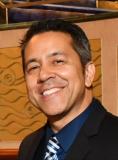

Biographical Information
Website
http://electhuntercain.com/
Instagram
http://www.instagram.com/electhuntercain
Campaign Email
huntercainfornv@gmail.com
Campaign Phone Number
702-517-9550
Endorsements
Recent previous campaigns earned endorsements and recommendations from VoteVets, Democrats Serve, Vote Common Good, LGBTQ Victory Fund, Run For Something, Vote Pro Choice, Democracy For America, Nevada NOW, Nevada Veterans Association, Nevada Veterans Council, Las Vegas Sun, Nevada Conservation League, Las Vegas Spectrum Magazine, Clark County Black Caucus, Veterans In Politics, 2025 Moms Demand Action, Armed Forces Chamber, F.A.M.E., 2026 Moms Demand Action, along with dozens of local leaders and influencers. I was also endorsed by actor, producer, and author Eriq La Salle. This time, I’m not focused on endorsements—I’m focused on earning votes.
What role do you see artificial intelligence playing in higher education curriculum?
AI should be built into the curriculum, not treated like some side topic. It’s already changing how people learn and how jobs work.
Every student should graduate knowing how to use AI as a tool and not blindly trust it. At the same time, we still have to teach the basics. You can’t use AI well if you don’t understand the subject first.
This also means updating classes faster. If AI is changing an industry, the curriculum should reflect that in real time, not five years later. And just as important, students should understand the ethics, what’s okay, what’s not, and where the line is.
At the end of the day, AI isn’t replacing education. It’s changing how it works, and we need to make sure students are ready for that reality.
How do you believe artificial intelligence may affect job opportunities for graduates in Nevada?
AI is going to change jobs, not just eliminate them. Some entry-level roles will shrink, but new ones will be created for people who know how to use and work with AI.
The problem is speed. Education is behind, and if we don’t adjust, students will graduate trained for jobs that don’t exist the same way anymore.
In Nevada, this impacts everything—hospitality, healthcare, tech. So students need real, adaptable skills and exposure to AI now, not later.
AI isn’t taking opportunity away—it’s shifting it. Our job is to make sure students are ready for where it’s going.
What role should the Board of Regents play in responding to changes in federal research funding?
The Board shouldn’t just react, it should plan ahead. Federal research funding goes up and down, so we can’t build research programs that only survive when that money is there.
First, diversify funding. We need stronger partnerships so research isn’t dependent on one source. If a lab or program can connect to real-world application, there should be multiple ways to fund it.
Second, accountability. We should have an annual “success index” for research that tracks real outcomes—grants secured, projects completed, partnerships, student involvement, and actual impact. Rank them, make it public, and use it. If federal funding drops, we protect the research that’s producing results and bringing value to Nevada.
What are your views on the role of diversity, equity, and inclusion in the selection of students and faculty?
To me, this isn’t about buzzwords, it’s about making sure every student and qualified candidate has a real shot. I support Diversity, I support Equity, and I support Inclusion, especially if it means we’re not shutting people out or stacking the system against them.
Selection should still be based on merit, but we also have to recognize not everyone starts in the same place. If we ignore that, we lose talent.
To borrow a line from Star Trek, I believe in “infinite diversity in infinite combinations.” That’s not just a slogan, it’s how you build stronger campuses and better outcomes.
At the end of the day, it’s about fairness and making sure the system works for everyone.
What are your views on student loan repayment or forgiveness programs tied to work or public service?
I support tying loan repayment or forgiveness to real work, especially public service. If someone is teaching, working in healthcare, serving in their community, or filling high-need jobs in Nevada, there should be a clear path to reduce or eliminate their student debt.
But it has to be simple and upfront. Students should know before they enroll, “do this job for this many years, and this amount is forgiven.” No confusion, no surprises, and forgiveness begins on day one.
At the same time, we can’t rely on forgiveness alone. We should be lowering the need for debt in the first place through better cost control, paid internships, and stronger pathways from school to a job.

Biographical Information
Campaign Email
chambers.nevada@aol.com
Campaign Phone Number
702-702-4335
What role do you see artificial intelligence playing in higher education curriculum?
I believe that the purpose of artificial intelligence in the future of education should be limited, with the academic use of solely AI-written works remaining banned. I recognize that AI could hold some merit if used as part of a disability treatment, and am open to the use of AI in very specific circumstances where it could act as a bridge to a better education.
How do you believe artificial intelligence may affect job opportunities for graduates in Nevada?
The rapid growth of the AI-focused industry is something that should not go without both federal and local regulations. AI labor is an existential threat to the American workforce. We must prioritize human advancement over artificial intelligence.
What role should the Board of Regents play in responding to changes in federal research funding?
We need to be more outspoken about our needs and grievances. There is currently a culture of acceptance that has tolerated endless tuition hikes that result in the benefit of a few rather than the greater student population. While this is a nonpartisan position, it still affects the lives of everyone in Nevada. It is time for us to utilize our local communities to advocate for our needs publicly.
What are your views on the role of diversity, equity, and inclusion in the selection of students and faculty?
I am pro-DEI. I believe that investing in the advancement of a diverse community is a pillar that should be codified into American law. One of the core principles I am running on is providing more power to internal student organizations and campus-related coalitions. The goal is to preserve federally cut DEI support networks with a community-driven foundation.
What are your views on student loan repayment or forgiveness programs tied to work or public service?
The landmark proposal of my campaign is a sliding scale tuition model that would create a progressive income bracket system that collects directly based on the financial circumstances of the student's household. Education should be available to all regardless of financial status. Additionally, this bracket system would be a tool to preserve our higher education system's former DEI and other educational programs cut by the federal government.

Biographical Information
Website
http://www.jenniferforregent.com
X (formerly Twitter)
@McGrath4Regent
Instagram
http://www.instagram.com/McGrath4Regent
Campaign Email
jenniferforregent@gmail.com
Campaign Phone Number
(213)262-9793
What role do you see artificial intelligence playing in higher education curriculum?
Our core mission will never change – training students how to think critically and use research tools to learn and grow their knowledge. But we do need to evaluate the way assignments and coursework are framed (away from a more traditional take home format) so that we can measure what students know and have learned – not what they can quickly generate using AI.
Most importantly, we need to invest in AI faculty development and re-evaluation of current curriculums. Professors need training on how to adapt their coursework and classes to the new technological landscape. The Nevada System of Higher Education could centralize some of this training, share resources and then let each college and university benefit as it sees fit.
How do you believe artificial intelligence may affect job opportunities for graduates in Nevada?
The advent of AI is a tremendous opportunity for our students and our state. Nevada's economy is going to be reshaped by AI across many industries—hospitality, healthcare, robotics. Rather than the fear that jobs will disappear, we should embrace the reality that some industries will boom and the need for employees will grow dramatically rather than ebb.
One of our primary obligations now as a System is to guide students in how to use AI tools competently. Our system must adapt to train them for the way AI is being integrated into our world– not just in academics and learning—but in the workforce.
We should work with private industry –both to get supplemental funding for curriculum and training programs—and to develop those programs.
What role should the Board of Regents play in responding to changes in federal research funding?
This is a difficult situation as our research universities thrive when they receive healthy federal research funding support. The reductions have had real world impacts at our schools. In response, we should give what assistance we can to researchers to re-formulate and resubmit proposals that may be more likely to secure federal dollars.
We should look to our own budgets, scrutinize any reserves and reduce administrative bloat so that we can move funds toward needed projects and research. We should look to our legislature to secure funding that can help make up for any gaps. It is also important to expand efforts to get private funding from industries like healthcare and technology for projects that may benefit employers in the state.
What are your views on the role of diversity, equity, and inclusion in the selection of students and faculty?
Every student deserves a fair shot, and every hiring decision should be made on the merits. I believe that a student body and workforce reflective of the communities we serve strengthens the educational experience and the institution's contribution to the state.
Those goals work together, not against each other. I support strong outreach to communities that have been historically underrepresented in higher education, transparent admissions and hiring processes, and support services that help every student succeed. The measure of our system is whether every student gets a real chance.
What are your views on student loan repayment or forgiveness programs tied to work or public service?
I support programs which help with loan forgiveness or re-payment when students do public service work. Of course, nursing, teaching, military and non-profit employment often pay far less than salaries that graduates can earn in the private sector. We want to encourage and channel great people into public service, whether for a short time or a lifetime.
This is especially important in Nevada as there are medical, nursing, and dental “deserts” where patients have to travel hundreds of miles for specialized – or even basic—care. We have to make these services available and affordable through programs for loan reduction and repayment designed for those willing to spend time working in rural and remote areas and in underserved communities.
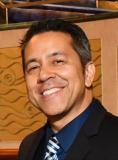
Biographical Information
Website
http://villafornevada.com
Facebook
http://Facebook.com/villafornevada
Instagram
http://instagram.com/villafornevada
Campaign Email
villa4regent@gmail.com
Campaign Phone Number
7024610223
Endorsements
3.14 Action, Nevada State Education Association (NSEA)
What role do you see artificial intelligence playing in higher education curriculum?
Artificial Intelligence is evolving quickly and is here to stay. As a Math professor, I compare this to how we have debated for years about the use of calculators/ graphing calculators on exams. We have adapted to all technologies and found ways to teach students how to use these devices while still assessing how well our students learn. For AI, we will all have to find ways to adapt and include this in our curriculums. I’m a proponent of having more faculty embracing and working with AI. After spending a few hours playing with various systems, like ChatGPT, you quickly learn it’s not an omniscient being and there are definitely limitations. It’s quickly improving, but we have time to use it as an aid for student learning.
How do you believe artificial intelligence may affect job opportunities for graduates in Nevada?
Sadly, AI will make it tough for many seeking careers. Contrary to popular opinion, it will affect both hands-on and the traditionally higher skilled positions. My recommendation for all students and graduates is to be as well rounded and open to careers now. Be ready to pivot to new positions that probably do not even exist today. It’s very likely their final career jobs will be created in the next few years, so they need to be ready to jump to those spots. The well-rounded individuals with varied experience will be the ideal future candidates for any positions.
What role should the Board of Regents play in responding to changes in federal research funding?
Knowing how tough NSHE has it with State funding, there really needs to be a serious plan to deal with a potential federal research funding decline. The past few years have seen major cuts, but also reinstatements of federal funding after some delays. All institutions need to put more grant proposals out there. The more applications filed, the higher probability of gaining more funding. We need partnerships with different private companies and organizations in Nevada. Our colleges offer specialized programs for outside businesses. There should be some sort of reciprocation from those groups like scholarships, donations, internships, etc. Both sides win, and this could really help relieve other cutbacks in funding.
What are your views on the role of diversity, equity, and inclusion in the selection of students and faculty?
I have been part of many interviews for various hirings. I have found that more interviewees is never a bad thing. I am 100% in favor of adding more people to the interview pool that help institutions increase certain demographics. My simple solution follows a clean ranking system. Should there been a need to bring in a candidate to an interview to add some diversity, let’s do it, but we bring in every other candidate who was ranked above. Interview as many as needed and then find the best candidate. I’ve seen it firsthand with me as a candidate and others that more interviews equal higher chances each subsequent time. The dial will be moved, and it will be done in a non-artificial manner.
What are your views on student loan repayment or forgiveness programs tied to work or public service?
I love this idea. This is a way to tackle multiple state/ local problems at once. One example is the pool of teaching candidates for CCSD. I would love to help create a plan where students would get discounted for free tuition if you commit to an appropriate amount of time teaching in a state school district. It would help shore up the shortage of teachers and give students in need a legitimate chance of getting a quality education. All sides win. This can be emulated for state positions or any other public need.