North Dakota State Representative District 29 Choose 2
The North Dakota State House consists of 94 representatives, who meet in regular legislative sessions to make our state laws and set our state budget. Learn more at ndlegis.gov.

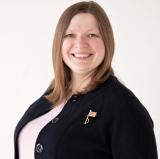


Biographical Information
Endorsements
District 29
Campaign Phone Number
701-269-2230
What are your top priorities?
Taxation
Business Climate
Housing
How would you ensure that North Dakotans’ healthcare costs are affordable?
Competition amongst providers
Less burdensome regulations
How would you address the housing needs of the state?
Candidate has not yet responded.
What is your position on allowing public funds to be directed to non-public education?
I am in favor on a limited basis
What are your views on the current voting methods and access to voting in North Dakota?
I favor our current rules
Voter ID
Proof of citizenship
What is the role of the federal government regarding states’ rights, and are there currently any areas where you believe there is an imbalance?
I believe the federal government oversteps it authority in many areas that would be better served by state lawmakers and local authorities
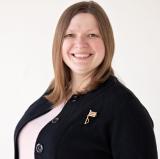
Biographical Information
Website
http://demnpl.com/norris4nd/
Campaign Email
DianneNorris@proton.me
Campaign Phone Number
701-797-2006
What are your top priorities?
Resilient communities where people have the economic stability to determine their own lives drive me to focus on legislation which will promote the quality of life of the people in the district. I support and will work to implement free school meals. I support local public schools and libraries.
How would you ensure that North Dakotans’ healthcare costs are affordable?
Quality healthcare accessibility in terms of location and affordability is key to thriving.
How would you address the housing needs of the state?
Many housing needs can be addressed by open dialogue with individuals and various levels of government. The needs vary widely when discussing topics such as aging care supports or facilities in rural areas or housing affordability.
What is your position on allowing public funds to be directed to non-public education?
Public funds being directed to non-public education will result in rural public school consolidations. Further consolidations would increase the length of student commutes to school. This extra burden would negatively impact the students, their families, and all businesses which rely on these workers. This is a reason I do not support the use of public funds for non-public education.
What are your views on the current voting methods and access to voting in North Dakota?
The Secretary of State and our neighbors who volunteer for North Dakota elections work diligently to ensure secure and accessible elections. The new requirement this election for the absentee ballots to be received by the county auditor by poll closing on election day in order to be counted is something which needs to be noted as this is a change from previous elections.
What is the role of the federal government regarding states’ rights, and are there currently any areas where you believe there is an imbalance?
The U.S. constitution outlines the role of the federal government and leaves the remaining rights to the states. The interpretation of the constitution has changed over time. The balance of powers between the state and federal governments is fundamental to how each function.

Biographical Information
Website
http://Www.kevinwolskyfornd.com
Campaign Email
Kevinwolskyfornd@daktel.com
Campaign Phone Number
701-307-0510
What are your top priorities?
My priorities as a legislator are to repair and properly fund township and state roads, ensure every student receives a strong education from preschool through college, and maintain a limited but effective government that focuses on essential services, fiscal responsibility, and accountability to the people.
How would you ensure that North Dakotans’ healthcare costs are affordable?
Healthcare challenges in North Dakota reflect a broader national crisis. I have ideas to improve access and affordability, especially in rural areas, but real solutions will require collaboration. I will work with fellow legislators to advance practical, responsible policies that strengthen our healthcare system and serve our communities.
How would you address the housing needs of the state?
North Dakota’s housing challenges are best addressed through private-sector solutions rather than expanded public programs. The state should incentivize developers to build in rural areas by reducing regulatory barriers and offering targeted incentives. This approach can increase housing supply, support local growth, and keep communities strong.
What is your position on allowing public funds to be directed to non-public education?
I do not support using taxpayer dollars to fund private schools in North Dakota. Public funds should be directed toward strengthening our public education system, ensuring all students have access to quality schools, well-supported teachers, and the resources needed to succeed.
What are your views on the current voting methods and access to voting in North Dakota?
North Dakota has a strong reputation for fair and accessible voting, and it’s important we preserve that. I support maintaining secure, transparent elections while ensuring every eligible voter can participate. Protecting both access and integrity will keep trust in our system strong.
What is the role of the federal government regarding states’ rights, and are there currently any areas where you believe there is an imbalance?
On states’ rights, I believe decisions should be made as close to the people as possible. Each issue should be considered case by case, with respect for the Constitution, local control, and practical outcomes. My focus is ensuring policies reflect our communities’ needs while maintaining accountability and effective governance.