North Dakota State Representative District 7 Choose 2
The North Dakota State House consists of 94 representatives, who meet in regular legislative sessions to make our state laws and set our state budget. Learn more at ndlegis.gov.
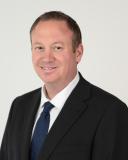


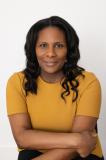
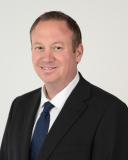
Biographical Information
Endorsements
Governor Kelly Armstrong, CoalPac of ND
Campaign Email
stevensauter@hotmail.com
Campaign Phone Number
7013212452
What are your top priorities?
Lowering property taxes and improving affordability for families. Supporting responsible economic growth so North Dakota remains a place people want to live, work, and raise a family. As a fifth-generation North Dakotan and a father, I believe in making long-term decisions that strengthen our communities, support education, and keep our state competitive.
How would you ensure that North Dakotans’ healthcare costs are affordable?
We need practical solutions that lower costs and improve access, especially in rural areas. That includes supporting providers, increasing price transparency, and reducing inefficiencies that drive up costs. We must also support families and caregivers. Healthcare should be accessible, reliable, and affordable for North Dakotans now and in the future.
How would you address the housing needs of the state?
Housing affordability depends on increasing supply. We need to reduce unnecessary barriers to building, support local development, and work with builders and communities to meet demand. Smart, responsible growth strengthens our workforce and keeps communities thriving without overregulation.
What is your position on allowing public funds to be directed to non-public education?
I believe both public and non-public schools have value and should be supported. Public education must remain strong, and families should have reasonable options. Any approach should be accountable, transparent, and focused on student success—not systems.
What are your views on the current voting methods and access to voting in North Dakota?
North Dakota has a strong system that balances access and integrity. We should keep voting straightforward and accessible while maintaining confidence in the process. Protecting both access and trust in elections is critical to keeping people engaged and our system strong
What is the role of the federal government regarding states’ rights, and are there currently any areas where you believe there is an imbalance?
States should have the flexibility to address issues based on their unique needs, while the federal government focuses on national priorities. I support limiting unnecessary federal overreach and ensuring states can make decisions that best serve their communities while maintaining a balanced partnership.

Biographical Information
Endorsements
AFL-CIO, North Dakota Long Term Care Association,
Campaign Email
Campaignfundofjasonthoms@gmail.com
Campaign X (formerly Twitter)
@thomsforndhouse
Campaign YouTube
http://www.youtube.com/@jasonthomsndhouse26/shorts
Campaign Phone Number
4794453795
What are your top priorities?
Putting Families First - the daily lives of the families is our community are becoming less affordable each month, because of gas and grocery prices and continued inflation.
We need solutions to help families make ends meet like childcare assistance, feeding children in school, and promoting higher hourly wages for our lowest paid workers
Improving Mental Health care and suicide prevention resources. We need to improve the availability and affordability of mental health care in our state.
How would you ensure that North Dakotans’ healthcare costs are affordable?
I would make sure that North Dakota fights for our fair share of federal funds for Medicaid and Medicare. I would also promote proven and effective alternatives to help rural and tribal communities like birth doulas, and making sure that nurse practitioners are positioned to help to their fullest extent.
I also believe that the Legislature should study the idea of Medicaid for all as a basic level of health insurance for every person.
How would you address the housing needs of the state?
We are in an affordable housing crisis. The state Legislature needs to act to make sure that we build 15,000 to 20,000 more units of housing across our state in the next few years.
More affordable housing will also stabilize the costs of homes and long-term rentals because there will be more housing available resulting in lower increases in home and rents.
I also think that North Dakota should rescind the rent control ban in our state so that individual towns and cities have more options.
What is your position on allowing public funds to be directed to non-public education?
Public funds should be spent on public education. Private education is a luxury expenditure which families with means can provide to their children. Spending public funds on private school will only chip away more at the quality of public education and the retention of public school teachers.
Public schools have the mandate to educate every child and I believe that we should also feed all the children in schools. This should be one of the highest priorities of our State Legislature.
What are your views on the current voting methods and access to voting in North Dakota?
I believe that our voting method is safe, effective, and fair. I do believe that people should show an ID to vote, but that ID should not be cost prohibitive to the individual. If a citizen does not have a driver's license, they should be able to apply for a state ID at no cost to themselves so that they can vote.
Requiring IDs that cost people money is tantamount to a poll tax, which should never exist in America again.
What is the role of the federal government regarding states’ rights, and are there currently any areas where you believe there is an imbalance?
I believe that the Federal government has the responsibility to assist all states in making sure there is equity in the benefits and support for all people at a basic human level.
I do not believe that the federal government should have the rights to withhold or penalize states for the way they manage their internal laws, legislation, or policies
The Federal government also needs to uphold their responsibilities to the health, welfare, education, and retirement of all people.

Biographical Information
What are your top priorities?
Candidate has not yet responded.
How would you ensure that North Dakotans’ healthcare costs are affordable?
Candidate has not yet responded.
How would you address the housing needs of the state?
Candidate has not yet responded.
What is your position on allowing public funds to be directed to non-public education?
Candidate has not yet responded.
What are your views on the current voting methods and access to voting in North Dakota?
Candidate has not yet responded.
What is the role of the federal government regarding states’ rights, and are there currently any areas where you believe there is an imbalance?
Candidate has not yet responded.
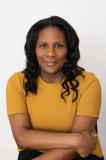
Biographical Information
What are your top priorities?
My top priorities are housing affordability, dependable healthcare access, and lowering everyday costs for families in District 7. This includes addressing the cost and access to childcare, ensuring schools have the resources needed to support students and teachers, and ensuring wages across our workforce keep up with the cost of living. I support strengthening workforce pathways so families can afford housing, care, and basic needs while maintaining stability.
How would you ensure that North Dakotans’ healthcare costs are affordable?
I would focus on lowering healthcare costs by improving access, strengthening the healthcare workforce, and supporting rural facilities. Ensuring uninsured individuals have access to care is critical, as gaps in coverage can drive up overall costs and premiums. Expanding preventive and specialized services and improving care coordination can help reduce expenses while maintaining quality. My goal is to ensure North Dakotans can access affordable, dependable care when they need it.
How would you address the housing needs of the state?
Housing costs are rising faster than wages, putting working families at risk of being priced out of housing. I would expand access to housing support services and rental assistance, while increasing supply through options like duplexes. I support expanding homeownership programs, including down payment and rehabilitation assistance. Using data to review rental trends can guide solutions and support pathways from temporary shelter to stable housing.
What is your position on allowing public funds to be directed to non-public education?
Public funds should be prioritized for public education, as public schools are responsible for serving all students, including those who require additional academic, behavioral, and support services. Unlike private schools, public schools do not have the ability to limit enrollment or select students, yet they are still expected to provide services that may also support non-public students. While families may choose private education and those schools may offer scholarships, it is essential that
What are your views on the current voting methods and access to voting in North Dakota?
North Dakota’s approach to voting prioritizes accessibility by not requiring voter registration, which reduces barriers and makes it easier to participate in elections. This is a strength of the system. At the same time, the lack of a centralized database can create challenges for administrative efficiency and accurate record-keeping. I support maintaining accessible voting while continuing to strengthen processes and support local election officials.
What is the role of the federal government regarding states’ rights, and are there currently any areas where you believe there is an imbalance?
The federal government sets national standards and provides support, while states should have the autonomy to address local needs. This balance is important to ensure flexibility and effective governance. Currently, reductions or shifts in federal funding can create challenges for states, particularly in areas like education and healthcare, placing additional pressure on state budgets and impacting services for communities.