North Dakota State Representative District 42 Choose 1
The North Dakota State House consists of 94 representatives, who meet in regular legislative sessions to make our state laws and set our state budget. Learn more at ndlegis.gov.

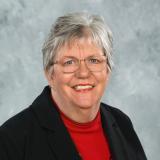

Biographical Information
Endorsements
Democratic-NPL, District 42
Website
http://www.derenne42.com
Campaign Email
nicolederenne42@outlook.com
Facebook
http://www.facebook.com/derenne42
Campaign Phone Number
701-732-1245
What are your top priorities?
My top priorities are wellness, education, affordable living, and local issues. I will work to ensure affordable access to healthcare, protect mental health resources, and support aging in place. I will invest in public schools and higher ed, fund school meals, and support teachers. I will tackle housing and childcare affordability. I will protect family farms, support responsible energy development, and invest in emerging industries like UAS, where Grand Forks is a national leader.
How would you ensure that North Dakotans’ healthcare costs are affordable?
I will advocate for improving quality of care, building the healthcare workforce, identifying state funding to buffer Medicaid reductions, and restoring ACA premium subsidies. The One Big Beautiful Bill cuts $1.42B from ND Medicaid over ten years, threatening 105,000 enrollees, 72% of whom already work. Expired ACA subsidies may double premiums for 34,000 North Dakotans. I will also work to keep programs like Medicaid, CHIP, and SNAP funded. Without action, North Dakotans are at risk.
How would you address the housing needs of the state?
Many North Dakotans struggle to find and afford a home that fits their needs. I will work across party lines to address localized housing issues and advocate for the Affordable Housing Act to incentivize voucher participation and inject $200M into the ND Housing Incentive Fund. I will also support the ND Interagency Council on Homelessness and push to increase the Homelessness Grant fund, where demand has exceeded funding since 2023.
What is your position on allowing public funds to be directed to non-public education?
I do not support using state funds for education savings accounts that direct public money to private K-12 school tuition. The ND Constitution requires the state to maintain public schools open to all children. Public funds should go to public schools. I support fully funding our schools and the ballot initiative to provide free K-12 meals to improve students’ attendance, enhance their academic performance, and support teachers. I also support funding higher ed and career pathways.
What are your views on the current voting methods and access to voting in North Dakota?
I support no-registration voting, absentee voting, and early voting. I believe the requirement that absentee ballots arrive by Election Day, as mandated by a federal executive order, disenfranchises voters and runs counter to North Dakota values. Previously, ND allowed ballots postmarked before Election Day to be counted if they arrived within 13 days. I also believe we must ensure equitable ballot access for all North Dakotans, including tribal communities facing voter ID challenges.
What is the role of the federal government regarding states’ rights, and are there currently any areas where you believe there is an imbalance?
About 32% of ND's budget comes from federal transfers. The federal government should support states as partners, not impose unfunded mandates or withdraw commitments. I believe local control, accountability, and fairness produce better outcomes than top-down mandates. Current imbalances include $1.42B in Medicaid costs and a portion of SNAP costs shifted to ND, federal overreach into election rules, and HUD shifting funds from permanent housing to shelters.
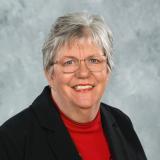
Biographical Information
Endorsements
NDGOP
Website
http://www.OsowskiND.com
Campaign Email
closowski@gmail.com
Facebook
http://www.facebook.com/osowskiD42
Campaign Phone Number
7017320817
What are your top priorities?
Property Tax Reform, Strong Education Foundations, Building Stronger Families, Private Property Rights, Standing by Military and Law Enforcement.
How would you ensure that North Dakotans’ healthcare costs are affordable?
Negotiate Drug Prices: Advocate for measures to negotiate prices for prescription drugs, reducing costs for consumers and the healthcare system as a whole.Increase Price Transparency: Mandate price transparency for services and procedures so that patients can make informed choices and providers compete on cost, potentially driving down prices.
Collaborate with Local Organizations: Work with non-profits, community organizations, and local governments to identify and address healthcare needs.
How would you address the housing needs of the state?
Community Engagement and Planning: Involve local communities in the planning process to ensure housing developments meet the specific needs of residents. Also, conduct needs assessments to determine specific housing shortages in different regions of the state.
Increase Affordable Housing Supply: Incentivize the construction of affordable housing through tax credits for developers.
Provide resources for potential homebuyers and renters to available assistance programs.
What is your position on allowing public funds to be directed to non-public education?
The topic of directing public funds to non-public education, such as private or charter schools, is a complex and often contentious issue.
What are your views on the current voting methods and access to voting in North Dakota?
Voting methods in North Dakota include in-person voting on Election Day and early voting, which can enhance participation but also rely on individuals having the necessary ID. The potential barriers posed by ID requirements merit ongoing discussion and consideration.
Overall, while the unique voting landscape in North Dakota has its potential benefits, it also highlights the need for continued attention to equity and access in the electoral process.
What is the role of the federal government regarding states’ rights, and are there currently any areas where you believe there is an imbalance?
The balance of power between the federal government and the states is continually evolving, influenced by legal interpretations, political dynamics, and social contexts. Ongoing debates concerning areas like health care, education, the environment, and civil rights suggest that issues of state versus federal authority will remain pertinent in shaping U.S. governance.