Minneapolis City Council Member Ward 2 Choose 3
As local legislators who sometimes have executive power, council members can propose ordinances, set administrative policy, and authorize the budget proposed by the mayor. They oversee all city activities, including city services, programs, licensing, and public safety. Mayoral appointments to city government typically require council approval. Learn more here: https://www.lwv.org/blog/voting-local-matters-why-vote-city-councilSee a complete list of Minneapolis City Council candidate forums at https://lwvmpls.org/2025-candidate-forumsIf your candidate didn’t fill in the guide below, visit the Secretary of State’s Candidate Filing site to find contact info. If you reach out, ask candidates to complete their Vote411 Voters Guide from the LWVMN!

Biographical Information
Contact Phone
612-208-9862
Facebook (Full URL)
http://www.facebook.com/profile.php?id=61577017545336
Campaign Email
askshelley@shelleymadore.org
Why are you seeking a City Council seat and what are your qualifications?
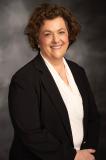
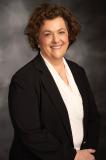
I am running for Minneapolis City Council because I know our city will continue to be a beacon of progress, but only if we bring the focus back to our community. I am committed to Minneapolis and to serving our community. I am a former DFL state legislator whose work has been impacting Minneapolis for decades. Now more than ever, it is important for us to have leaders with experience and a focused eye on delivering results to Minneapolis. My political and organizing background gives me a unique understanding of how city, county, state, and federal government work together to deliver improvements to our citizens. The next chapter of our city depends on electing leaders who listen and focus on what unites us: Minneapolis.
If you are elected, what will be your top two priorities as a City Council member?
If elected, my focus will be on addressing our community’s issues in public safety and economic opportunity. Public safety is critical. Our residents should feel safe in their communities and I will work to ensure that we have a responsible public safety ecosystem. I will be communicating and partnering with community leaders, campus groups, and residents to develop and fund real prevention strategies that work.
Supporting economic opportunity is also vital to keeping Minneapolis a great place to live, and for making sure that once students have a degree, there are jobs available for them in the place where they want to work and live. Increasing economic development that supports rebuilding our downtown will also increase our tax base.
How do you propose to increase the availability of and access to affordable housing for both renters and people seeking to buy their first home?
I will work to increase the availability of and access to affordable housing for both renters and first-time owners by diversifying our options. It is important for us to look at every choice available to lower housing costs, such as building new housing to address demand and protecting existing affordable or work force housing stock. We also must combat the growing reliance on property taxes through residential homeowners to fund our basic city services. The high impact of property taxes, county taxes, school levies, and park board taxes have put a burden on both our homeowners and our renters.
What steps would you take to improve climate resilience in your Ward, particularly in areas prone to flooding, heat islands or lacking green space?
Climate resiliency is an important issue for the city of Minneapolis and the availability of green space is a primary focus for our citizens. We must be proactive in building out our transit system to increase ridership, planting more trees, creating more cooling spaces, and be prepared with a network available to support our most vulnerable citizens who need care during extreme weather conditions. We also know that Minneapolis has the housing infrastructure to increase the population and that increasing city populations is beneficial to our carbon output. I will focus on making sure our ward has good, affordable housing in order to improve climate resilience.
What role, if any, does the City Council have in supporting and monitoring the effectiveness of community groups who are working to improve public safety, prevent disturbances and the need for emergency services? Please explain.
I believe our city council has an obligation to oversee the implementation of city contracts for public safety initiatives. However, I do have concerns that we are outsourcing a lot of our public safety to individual groups. I would work to improve some of these contracts, specifically in the case of the violence interrupter programs. The contract does require basic health care and other provisions, but it lacks these same protection measures that we contract to our general police officers. It would be beneficial for the city to assess data to ensure that we are not putting individuals at risk to perform these contracted duties, as well as ensuring that they are effective.

Biographical Information
telephone
6129687019
Contact Phone
612-968-7019
Facebook (Full URL)
http://www.instagram.com/maxforminneapolis/
Campaign Email
mgtheroux25@gmail.com
Why are you seeking a City Council seat and what are your qualifications?
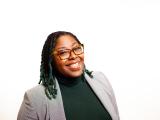
I am running because nearly half of Ward 2 residents are students, and it's time that the Ward's representation at City Hall reflects that. My family has lived in the Como neighborhood for multiple generations, and I have been a renter in Ward 2 for multiple years. I began working in retail at the age of 14 and have continued for seven years, gaining valuable skills in problem-solving, communication, and working with people from all walks of life. I also served as an intern in the Minnesota State Senate and as an elected student senator for the College of Liberal Arts at the U of M for two and a half years. These experiences taught me how to listen, advocate, and navigate complex issues—skills I will bring to serving Ward 2.
If you are elected, what will be your top two priorities as a City Council member?
If elected to the City Council, my top two priorities would be ensuring access to affordable housing and improving our public safety infrastructure. Rising rents are increasingly forcing our neighbors out, simply because they can no longer afford them. Living in Dinkytown for the better part of three years has opened my eyes to the many public safety issues we all face. While I support our police department, my experiences have shown me that simply adding more officers, lights, and cameras doesn’t solve the deeper problem of distrust between police and the community. To truly make Ward 2 safer, we need to increase police oversight, expand accountability, and ensure there are viable alternatives for situations where police are not needed.
How do you propose to increase the availability of and access to affordable housing for both renters and people seeking to buy their first home?
For too long, developments near the University of Minnesota have taken advantage of students and seniors living nearby, with the area seeing some of the highest rent prices in the city. To address this, I will fight for stronger renter protections to hold landlords accountable when they fail to meet their obligations - such as the delayed opening of Identity Dinkytown. At the same time, we must expand the amount of affordable housing available. Minneapolis has hundreds of vacant properties, many of which have sat empty for years. We should be proactive in converting these properties into affordable homes and ensuring there is adequate housing available for those who need it.
What steps would you take to improve climate resilience in your Ward, particularly in areas prone to flooding, heat islands or lacking green space?
While living in a city as large as Minneapolis can often feel like a concrete jungle, it is more important now than ever to ensure we have adequate green spaces and climate infrastructure to keep our city thriving. If elected, I will advocate for increased vegetation and tree planting, especially in areas with high levels of new development. Expanding our tree canopy is one of the most cost-effective ways to combat heat islands, reduce cooling costs for residents, and improve overall public health. It is also crucial to reassess our climate models to account for the increased precipitation caused by climate change to better prepare our city for high-risk weather events.
What role, if any, does the City Council have in supporting and monitoring the effectiveness of community groups who are working to improve public safety, prevent disturbances and the need for emergency services? Please explain.
Part of the job of the City Council, along with the Mayor and Chief of Police, is to ensure the safety of all of our residents. While law enforcement plays an important role, more officers are not always the answer. I believe that it is crucial for the City Council to look into the effectiveness of community groups in addressing certain events. For example, in Dinkytown, groups of young people have caused chaos and damaged local businesses in recent years. While police intervention eventually became necessary, their presence sometimes escalated tensions rather than resolved them. By working proactively with trusted community groups, we can address these issues earlier and reduce the need for emergency responses.
Biographical Information
telephone
6124408605 (candidate)
Contact Phone
(612) 440-4280 (campaign manager)
Facebook (Full URL)
http://facebook.com/Robin4Mpls
Campaign Twitter Handle
@robin4mpls
Campaign Email
robinformpls@gmail.com
Why are you seeking a City Council seat and what are your qualifications?
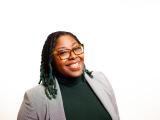
As a 2-term council member, I've prioritized and remain committed to building a city that works for all of its residents, not just corporate landlords and business interests, by creating affordable housing for families across income levels, living wage jobs with dignified working conditions, quality universal childcare, protected bike paths, and vibrant boulevards where highways currently fracture communities. I'm committed to comprehensive public safety that protects residents without criminalizing, traumatizing, and killing them; that cultivates a safe community for immigrants, BIPOC and queer residents where we come together to resist fascist agents of an authoritarian federal government.
If you are elected, what will be your top two priorities as a City Council member?
1) Housing for All: As a renter myself, I will continue to fight for a Minneapolis that we can all afford to call home—by stopping relentless rent increases and corporate profiteering, and supporting public housing and permanently affordable development.
2) Public Safety Beyond Policing: Every single person in Minneapolis deserves to be safe, and I will continue to push for comprehensive public safety that ensures residents receive the support they need when they call for help.
How do you propose to increase the availability of and access to affordable housing for both renters and people seeking to buy their first home?
I'll prioritize City efforts to build affordable housing by only funding projects that are permanently affordable to residents, increasing funding for housing units designated for unhoused residents, and ensuring City-owned land parcels are sold and developed into entities that enrich neighborhoods. I'll implement housing-first solutions to homelessness, combat predatory lending practices that lead to displacement, and connect the unhoused with permanent housing and wraparound services to achieve long-term stability. I'll support city initiatives to incentivize and support first-time homebuyers, and empower renters with the first right of purchase if their landlord chooses to sell by passing the Tenant Opportunity to Purchase Act (TOPA).
What steps would you take to improve climate resilience in your Ward, particularly in areas prone to flooding, heat islands or lacking green space?
I will continue my work implementing fees for carbon emissions through PCAR fees; work with state legislators to expand the city’s authority to tax corporate polluters; work to develop a Just Transition Fund, a protected and community-controlled fund for climate resilience projects and restorative investments in neighborhoods most impacted by pollution; and develop the green jobs pipeline by partnering with local schools, unions, and community institutions to bring more workers of color and young workers into the green economy.
What role, if any, does the City Council have in supporting and monitoring the effectiveness of community groups who are working to improve public safety, prevent disturbances and the need for emergency services? Please explain.
The Council must provide funding, support, and oversight for successful non-police public safety programs with the expertise and evidence-based approaches to successfully prevent violence, connect people with services, and employ restorative justice approaches to offenses. The Council must also investigate and end city contracts with organizations found to be corrupt, abusive, or discriminatory.