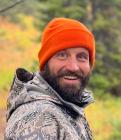
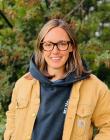
It might be that after more than 20 years as a TCD Supervisor the public would be better served by my handing off to the next generation. It might also be that more than 35 years of Jackson Hole aquifer research and involvement in water quality issues makes me highly useful as a TCD Board member.
It is important to remember that the district is statutorily tasked with collecting and disseminating credible scientific data and providing technical assistance and funding to landowners, government agencies, and NGO’s. By doing so, it is hoped that those charged with setting policy and crafting regulations can make well-informed decisions.
For some years the district has provided wildfire mitigation assessments and cost-share funding to individual landowners and neighborhoods. This has been done in close coordination with Jackson Fire-EMS, state forestry, and the US Forest Service.
All of our programs are voluntary, and feedback from participants helps shape the programs going forward.
All the categories are underfunded, but the PIC grants are only as effective as the quality of the proposals. The TCD staff works extensively with the applicants to improve the proposals and increase the likelihood of obtaining not only PIC funding but also funding from other sources.
Campaign Phone
307-690-8462
I'm running because TCD work is some of the most vital in our community. We have impaired water county-wide, nitrates in groundwater, rising wildfire risk, and growing conflict between people and wildlife. These are solvable with steady, science-based work and real partnerships with landowners and organizations.
I've lived in Teton County 17 years. My conservation work is hands-on: weed control and cleanups in the Hoback and Hog Island area, working with agencies to protect the river, regular public comment, and support for JHCA, RMEF and GYC.
As executive manager of a company, I handle budgets, board reporting, and staff and contractor oversight. I'll bring a landowner's perspective, a manager's discipline, and a willingness to listen.
The best way to protect our water and wildlife is to work with landowners and developers, not against them. TCD's strength is good data, technical help, and funding that make the right choice the easy choice for landowners.
On water, that means expanding surface and groundwater monitoring so we know where problems are, then targeting help there: cost-share for septic inspections and upgrades, and support for community wastewater where lots are too dense for septic.
On wildlife, it means mapping key corridors, funding wildlife-friendly fencing and crossings, and giving the County solid science to inform land-use decisions.
Growth is inevitable. I'd like to make sure it happens in ways that keep our water clean and wildlife flourishing.
Wildfire is one of the biggest threats to our homes, watersheds, and wildlife habitat, and I think it deserves more focus.
TCD partners with Jackson Hole Fire/EMS on free risk assessments and cost-share grants for defensible space. That's a good foundation.
I'd like to grow it by:
- Prioritizing the highest-risk neighborhoods and evacuation routes
- Funding neighborhood-scale projects, since fire doesn't stop at property lines
- Increasing education and programs for private property owners to gain knowledge on proactive wildfire mitigation
The goal is to make every dollar reduce real risk.
Mostly by showing up and listening. The best ideas for TCD's programs will come from the people living with these issues every day.
As a rural landowner myself, I'd focus on:
- Meeting people where they are: neighborhood meetings, HOA gatherings, and site visits, not just board meetings in town
- Asking landowners what gets in the way of projects like septic upgrades, fencing, or fuels work, and fixing those barriers
- Working with ranchers, outfitters, irrigators, and conservation groups, who all bring knowledge TCD needs
People support programs they helped shape. My job is to make sure they have that chance.
Wildlife stands out to me. It's one of the District's smallest program budgets, even as development pushes into sensitive ecological zones, migration routes and winter range. Wildlife doesn't have a voice, so we need to speak up for it, especially as habitat keeps shrinking. I'd like to see more PIC support for wildlife-friendly fencing, crossings, and projects that reduce conflict around homes.
Water already receives the largest share, and that's appropriate. But I'd sharpen the focus on our biggest problems, like Fish Creek and groundwater nitrates, starting with septic systems: more testing, inspections, and help with upgrades and repairs.
Whatever the category, every grant should deliver clear, reportable results.
Candidate has not yet responded.
Candidate has not yet responded.
Candidate has not yet responded.
Candidate has not yet responded.
Candidate has not yet responded.
I don't come from a conservation or land-management background, but I was lucky enough to be born in this place. When I ran for this seat 4 years ago, I was simply a citizen who believed in service. I have a willingness to learn, & wanted to find a way to support the future of our unique home. A former board member I grew up with reminded me that spending my life in this valley—watching it grow & change in real time—had value in an organization like the TCD. My first few years involved a lot of learning, and now I'm completely hooked. I understand the work at a much deeper level, & I'm still constantly learning. I'm so proud of what the TCD accomplishes in a given year, & hope that your vote will allow me to continue doing this work.
We know development pressure is never going away, but protecting our natural resources has to be part of how we plan for it. TCD doesn't set policy, but has a key role in providing good science & practical guidance to those making land-use decisions. Our work studying septic systems, monitoring water quality, & understanding wildlife movement helps identify existing problems & where future development could create new ones. The proposed Targhee expansion is a good example of impacts to water quality, wastewater, erosion, and water uses/allocation. We can't eliminate the impacts of growth, but the County & developers should make decisions with a clear understanding of what's at risk & how those impacts can be addressed.
TCD already plays a role in this mission, supporting & complementing the work of Fire/EMS. Our focus so far has been prevention: helping landowners understand their wildfire risk, providing technical guidance & cost-share funding for defensible space, & coordinating work across property boundaries. Wildfire doesn’t stop at a property line or park boundary, so partnerships among homeowners, Fire/EMS, the County, & state/federal land managers are essential. Going forward, I think we need to clearly define roles among agencies to create sustainable workloads & avoid duplicating efforts. That includes thoughtful consideration of Fire/EMS funding & staffing, since they will be a pillar of this work.
I feel TCD's programming is already built around community needs. PIC grants bring ideas forward & help shape where resources go. Our technical assistance connects staff with land and homeowners every day. Our partners matter here too—TCD co-hosts Local Work Group meetings specifically to hear from landowners & community members about conservation needs & priorities. The Board has also discussed broader outreach & better messaging to reach people who may not know what's available, along with residents who simply want to make a positive impact. I think we're good at anticipating needs, but we need to keep listening, meeting people where they are & turning that engagement into more participation, good ideas & conservation on the ground.
All of these program areas are essential to good stewardship, & I don't see any one category as underfunded. I think the strength of the PIC program is its flexibility to respond to evolving community needs. I also love this model because it gives the community a direct role in stewardship. The goal is to invest in good ideas from people who know their corner of this valley & want to help take care of it. I think the current board has done a good job awarding grants to projects grounded in sound science & strong partnerships, with clear benefits & measurable outcomes.