Facebook Page
https://www.facebook.com/SimGillDA/
You Tube Channel
https://www.youtube.com/channel/UCD9MXCb1-jAuVILHqUzQ_6Q
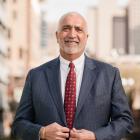
Behavioral health (mental illness and addiction) is the defining crisis driving people through our justice system. Most people cycling through jails aren't hardened criminals; they're people failed by a system that never addressed root causes. As DA, I built Utah's first Veterans Court, first Mental Health Court, Pre-Filing Diversion Program, and Camp Hope, a program for children who have experienced severe trauma. Upon re-election, I’ll continue to expand diversion capacity, strengthen treatment pipelines, push for more co-responder models with law enforcement, and advocate for the sustained county investment needed to make these interventions available to more people before incarceration becomes the default response.
General criteria for program viability includes determining the nature of the offense, the role behavioral health issues played in the conduct, any prior criminal history, amenability to treatment, and any possible public safety impact. Low-level, non-violent offenses where mental illness, addiction, or trauma is a contributing factor are the most eligible candidates for these programs. My Pre-Filing Diversion Program applies this framework, intervening before charges are filed when appropriate, with an astounding 92%+ success rate. Victims' needs and community safety must also inform every decision. The goal is to match people to the intervention most likely to break their cycle of offense.
Collaboration is key to all of our multiple programs. Our Pre-Filing Diversion Program will be expanded to the severely mentally ill and our homeless population. Veterans Court brought prosecutors, defense counsel, treatment providers, and courts into a structured, accountable model with shared goals. My approach has always been systems-based: public safety isn't achieved by any single agency acting alone, but by law enforcement, courts, treatment providers, and community organizations working toward the same outcome. I'll continue building and deepening those partnerships because that's what the evidence shows actually reduces recidivism.
Public data belongs to the public. That's why my office launched a public screening dashboard showing every case filed or declined over the past two years, one of the first initiatives of its kind in Utah. This is the first phase of a broader effort to make prosecution data accessible. I've worked to communicate our standards and remain committed to continually improving our operations so that SLCo residents can see how prosecutorial discretion is exercised. We take a collaborative, systems-based approach, working directly with law enforcement, treatment providers, and community organizations, so accountability is built into how we operate. I’ve also alternated every Friday, hosting community hours, increasing access to the DA’s office.
They are not in competition. My record demonstrates that. We can reform the criminal justice system without compromising public safety. Addressing root causes and holding people accountable are both essential to safer communities. Serious and violent offenders warrant serious accountability. But applying that same response to everyone regardless of circumstance is wasteful and unnecessary. Public safety is the goal. Evidence-based, proportionate prosecution is how we get there. I've spent nearly two decades proving that therapeutic justice and public safety go hand in hand, and I’m prepared to keep that record going strong.
Facebook Page
https://www.facebook.com/shawnforda/
You Tube Channel
https://www.youtube.com/@ShawnRobinson-s4l
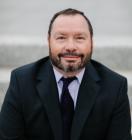
As the first Democratic primary challenger in the incumbent's sixteen-year career, I’m running to restore accountability, integrity, and transparency to the District Attorney's Office. Amid mounting controversies, a $20 million lawsuit over the Emiliano Martinez case, a leadership shortfall documented by the 2025 legislative audit, and only three officers charged for excessive use of force in sixteen years, the office needs a fresh perspective. On Day One, I'll publish written policies for charging and plea decisions, file charges against officers who use excessive force, use state law to limit ICE, notify victims of every decision in their case, and end the era of secret pleas. Real progressive change begins with leadership willing to act.
Eligibility must be written, public, and applied consistently, not improvised case by case. A 2025 audit of the office found that "individuals with violent crimes are not immediately disqualified" from current programs. For individuals to qualify, the offenses must be non-violent, the defendant must not have an escalating history of violence, and the underlying issue (mental health, addiction, or housing instability) must be carefully considered. I plan to expand the current Recovery Court, Mental Health Court, and Veterans Court and publish policies, so the public understands how to qualify for these programs and protect vital benefits like Medicare, which can be taken away due to incarceration.
Reducing recidivism requires coordination at every step, before, during, and after incarceration. I've met with leaders at Odyssey House and the Other Side Academy to understand how the DA's office can strengthen and expand Mental Health Court, Recovery Court, and Veterans Court, and ensure reentry support is ready before release. I'll meet with agencies across Salt Lake County to discuss shared screening and discharge planning, work with courts to streamline diversion eligibility, and look at new services such as 988 so mental health professionals, not officers, respond to crisis calls. The result: fewer Utahns cycling back into our jails, and stronger community partners doing the work the criminal system can't do alone.
The 2025 legislative audit found this office lacks written policies on charging and plea decisions, inviting inconsistency and eroding public trust. On Day One, I'll publish written policies for every charging, plea, and diversion decision; notify victims of every decision in their case and provide updates in writing; review every outstanding excessive-force case with substantial public interest; and bring charges where evidence supports them, rather than hiding behind conflicting expert reports. I will stand by juries, not state statutes, to test the limits of police accountability. Salt Lake County deserves a District Attorney who explains every decision, hears every victim, and answers to the public, not to law enforcement.
Public safety and criminal justice reform, when done right, reinforce each other. Reform means expanding Mental Health Court, Recovery Court, Veterans Court, and pre-filing diversion for non-violent offenders, addressing the root causes of offending. Public safety means categorically disqualifying violent offenders from those programs and refusing to plead down felony assault and domestic violence charges. Esperanza Chavez was murdered by a partner whose felony domestic violence charges this office quietly reduced to misdemeanors, a failure of both reform and safety. As DA, I'll publish written screening policies, treat violent histories as disqualifying for reduced-charge pleas, and notify victims of every decision in their case.