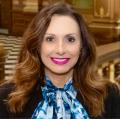
Occupation / Current Position
State Senator
Education
Master's Degree in Teaching, Bachelor's Degree in Psychology, past certifications as teacher and school administrator
Qualifications and Experience
State Senator, District 5, 2023 to present; State Senator, District 7, 2019-2022
As Chair of the Education Committee and Vice Chair of the School Aid Appropriations Subcommittee in the Michigan Senate, I am focused on improving early literacy, protecting students’ safety/mental health, recruiting and retaining teachers, and expanding access to college. As state senator, I delivered historic school funding increases; banned cell phones in classrooms during instruction; overhauled early-literacy instruction with passage of “Science of Reading”/phonics laws; made school meals free for all kids; expanded free preschool for all 4 year-olds; restored teachers’ bargaining rights; cut standardized testing time in half for juniors
I believe in making “the working poor” a thing of the past so that all Michiganders can live dignified lives. To that end, as a state senator I am proud to have repealed seniors’ retirement tax; quintupled the Working Families Tax Credit; increased unemployment checks from $362 to $614 per week by 2027 and extended the duration from 20 weeks to 26 weeks; fine-tuned Michigan’s first-ever Earned Sick Time Act, making it one of the most generous in the nation; made $15/hr the new minimum wage by 2027; repealed so-called “Right to Work”; and increased spending on affordable housing initiatives.
I pledge to continue the environmental initiatives I helped pass as state senator based on the assumption that clean air and water are human rights. Specifically, my colleagues and I created Michigan’s first-ever Healthy Climate Plan, aiming for carbon neutrality by 2050, achieving 100% clean energy by 2040, generating 60% of electricity from renewables and closing all coal plants by 2030, and ensuring 40% of climate funding benefits disadvantaged communities.
In 2026, my state senate colleagues and I introduced a package of bills and resolution to regulate and restrict the operations of U.S. Immigration and Customs Enforcement (ICE) within the state. These bills designate schools, hospitals, places of worship, courthouses, and service organizations as immigration-enforcement-free zones; bar ICE from taking action there without a judicial warrant; prohibit state and government agencies from turning over personal identifying information for immigration enforcement purposes without a judicial warrant; and restrict ICE officers from wearing masks to conceal their identities—with some exceptions.
Candidate has not yet responded.
Candidate has not yet responded.
Candidate has not yet responded.
Candidate has not yet responded.