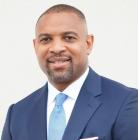
County
Philadelphia
Occupation
Former City Employee - Assistant Director of Mayors Office Police Diversion Program
Education
Cheyney University of Pennsylvania
Qualifications
Bachelor of Arts In Biology
The most pressing issues facing residents of the 195th Legislative District are economic opportunity, access to quality education, public safety, and community investment. As someone who has lived and worked in this community, I understand that too many families are struggling with rising costs, limited job opportunities, and under-resourced schools.
First, we must address economic inequality by creating pathways to good-paying jobs. That means supporting small businesses, investing in workforce development, and ensuring that economic growth reaches every neighborhood. Second, education is a cornerstone of stronger communities. We need to ensure our schools are fully funded. Lastly, Residents deserve to feel safe in there where they live.
First, on access, I support commonsense measures that make it easier for eligible voters to participate. That includes expanding early voting, improving vote-by-mail systems, and ensuring polling locations are adequately staffed and accessible in every community. We should also invest in voter education so people clearly understand when, where, and how to vote.
Lastly, security must remain a top priority. I support continued investment in modern, auditable voting systems with paper trails, routine post-election audits, and strong cybersecurity protections to safeguard voter data and election infrastructure. These measures help ensure that every vote is counted accurately and that our systems are protected from interference.
Pennsylvania’s budget process is too often marked by delays, uncertainty, and last-minute negotiations that leave residents, school districts, and local governments in limbo. While the process is designed to allow for deliberation and negotiation, it should not come at the expense of transparency or timely decision-making.
I support reforms that promote earlier collaboration between the legislature and the Governor’s office, including setting clear benchmarks throughout the budget cycle to ensure progress is being made well before the June 30 deadline. Increased transparency—such as publicly available draft proposals and real-time updates—would also build public trust and accountability.
The legislature should establish baseline standards that promote sustainability, grid reliability, and responsible resource management. At the same time, these policies must be crafted to complement—not override—the authority granted to municipalities under the Municipal Planning Code. Local governments are best positioned to address zoning and community-specific impacts. A balanced approach would set clear statewide guidelines while preserving local control, ensuring both economic development and environmental stewardship are achieved responsibly.
Candidate has not yet responded.
Candidate has not yet responded.
Candidate has not yet responded.
Candidate has not yet responded.
County
Philadelphia
Occupation
Social Worker
Education
MSW, Temple University
Qualifications
Non-Profit Leader; President of National Association of Social Workers, Pennsylvania Chapter
The biggest challenges in HD-195 reflect many facing the Commonwealth: gun violence, unequal education, housing instability, low wages, and declining trust in government. These issues show up differently across neighborhoods, from public safety in Strawberry Mansion to housing pressures in Brewerytown but all stem from decades of underinvestment. As State Representative, I will invest in community-based violence prevention, fight for fully funded public schools, expand affordable housing, raise the minimum wage, strengthen our workforce, and increase access to healthcare and behavioral health services. My leadership will be rooted in listening, collaboration, and ensuring the voices of our communities shape the solutions.
I support policies that both expand access to voting and strengthen trust in our elections. That includes expanding early voting, making vote-by-mail more accessible, and ensuring polling locations are adequately staffed and resourced so every voter can participate without barriers. Protecting elections also means combating misinformation and ensuring transparency so voters have confidence that their voices are heard and counted. Our democracy works best when voting is secure, accessible, and trusted by the public.
The state budget process should be transparent, collaborative, and focused on Pennsylvanians’ needs. Delays often result from closed-door negotiations and last-minute decisions. I support earlier talks, clearer timelines, and greater transparency so lawmakers and the public understand proposals. Improved communication between the House, Senate, and Governor’s office can help avoid gridlock. Above all, the budget must reflect our priorities, education, healthcare, infrastructure, workforce development and provide stable funding for schools, providers, and communities.
These facilities can place significant demands on local infrastructure and natural resources, so statewide guidelines can help ensure sustainable development, environmental protection, and responsible energy planning. At the same time, state policy should complement local authority under the Municipal Planning Code. Municipalities understand their communities’ needs and should retain the ability to set zoning, land use, and planning ordinances. The state’s role should be to provide guardrails and consistency, while still preserving local control and community input in development dec
Candidate has not yet responded.
Candidate has not yet responded.
Candidate has not yet responded.
Candidate has not yet responded.