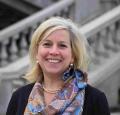
Description of office: The General Assembly is the legislative branch of government in Pennsylvania. It is composed of two houses: the Senate is the upper house, and the House of Representatives is the lower house. A majority vote in both houses is necessary to pass a law. The PA House of Representatives consists of 203 members representing one district each, with an equal number of constituents. Representatives must be at least 21 years old, have been a citizen and a resident of the state four years and a resident of their respective districts one year before their election, and shall reside in their respective districts during their terms of service. The House develops budget packages, makes taxation decisions, allocates spending, and passes laws (including redistricting in collaboration with the Senate). The House also has the exclusive authority to impeach public officials. Representatives also serve on various policy committees that may propose legislation.Term: 2 yearsSalary: $113,591Vote for ONE.Note: On Democratic and Republican primary ballots, voters will also choose members of the State and County Committees. We do not list these candidates on Vote411. For information on these candidates, we suggest you contact your local Democratic or Republican Party committee.
County
Chester
Occupation
Real Estate Broker and Proprietor
Education
Bachelor’s Summa Cum Laude, Western Michigan University, 1995. Political Science, Public Policy with a Cognate Major in Women’s Studies. Graduate thesis through Western Michigan University Lee Honors College. Certification on The Science of Well-Being, 2018. Yale University through Coursera
Qualifications
I have shown my ability to lead, collaborate, and bring people together through my work with Neighbors for Crebilly and by managing multiple organizations over the years. These experiences have prepared me to represent our community with integrity and a commitment to ensuring every voice is heard.
In talking with neighbors across the 160th District, I hear the same concerns. Life has gotten too hard and costs are too high. People want to protect the quality of life that makes this community such a special place to live. Families are feeling squeezed by rising property taxes, healthcare costs, and everyday expenses. At the same time, residents care deeply about preserving our open spaces, protecting clean water, and ensuring that growth in our region is responsible and sustainable. My focus in Harrisburg would be on lowering costs where we can—through property tax relief and smart investments in our local economy—while also protecting what matters most here.
Our elections are the foundation of our democracy and that we need to stand up strongly to the false allegations of stolen elections. I support policies that will make elections accessible, efficient, and fair and hold individuals who sow doubt accountable. I support expanding early in-person voting so people have more flexibility, and I believe we should allow counties to begin processing mail-in ballots before Election Day so results can be reported more efficiently. Our county election offices need the resources and clear guidance to do their jobs well, and voters deserve a consistent, reliable experience no matter where they live.
We’ve seen too many late budgets in Pennsylvania, and the uncertainty that creates has real consequences for our schools, local governments, and nonprofits. It makes it harder for them to plan and serve our communities effectively. I believe we need a more transparent and accountable process. That starts with earlier and more open discussions about budget priorities, so the public can see what’s being proposed and why. Just as important, we need to change the tone of the process. Budgets shouldn’t come down to last-minute negotiations behind closed doors. They should reflect thoughtful, bipartisan work focused on the long-term needs of our state—especially investments in education, infrastructure, and economic opportunity.
Data centers are becoming a bigger part of our economy, and they can bring jobs and investment. But they also have real impacts—especially when it comes to energy use, water resources, and land development. I believe the state should set clear, responsible standards to make sure these projects are sustainable and don’t put unnecessary strain on our natural resources or infrastructure. At the same time, local communities know their needs best. Municipalities should continue to have a strong voice under the Municipal Planning Code when it comes to zoning and land use decisions. We need to strike the right balance—welcoming economic development while protecting our environment and respecting local control.
Candidate has not yet responded.
Candidate has not yet responded.
Candidate has not yet responded.
Candidate has not yet responded.