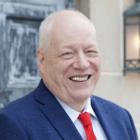
Candidate has not yet responded.
Candidate has not yet responded.
Candidate has not yet responded.
Candidate has not yet responded.
Education
University of Nebraska Bachelor of Science
Volunteer experience
Advisory council for Southeast Community College Entrepreneurship Center, UNK Entrepreneur Center, Trinity Lutheran Sunday School, Cooperative Development Center, Harlan Ct 4-H Council
My top concern in K–12 education is ensuring every student especially in has access to quality opportunities while addressing teacher shortages. Schools are struggling to recruit and retain teachers, and students need stronger pathways to careers after graduation. My approach focuses on three priorities: Supporting Teachers: Reduce administrative burdens, expand mentorship programs, and improve recruitment and retention efforts. Career Readiness: Expand career and technical education apprenticeships, and partnerships with local businesses so students graduate with real-world skills. Local Control with Smart Investment: Empower schools to make local decisions while investing in mental health resources, classroom safety, and technology.
The most effective policy tools to promote economic development in Nebraska focus on workforce, small, and infrastructure. First, we must invest in workforce development by expanding career and technical education, apprenticeships, and partnerships between businesses and schools to ensure a skilled pipeline. Second, supporting small businesses through access to capital, reduced regulatory burdens, and mentorship programs helps drive local economies. Third, strategic investment in infrastructure including broadband, housing, and transportation is critical, especially in rural areas. By focusing on practical solutions that support entrepreneurs, strengthen communities, and attract talent, we can create sustainable economic grow
Balancing rural and urban priorities requires a practical, data-driven approach grounded in fairness and local input. As a legislator, I would prioritize policies that recognize the unique needs of each region while ensuring equitable access to resources. Rural communities often need support for workforce development, healthcare access, broadband, and infrastructure, while urban areas may face challenges related to population growth, housing, and public services. I believe in strong local control, allowing communities to guide decisions that impact them most. By focusing on shared goals economic growth, strong schools, and safe communities we can develop policies that benefit the entire state.
I view the role of a state senator as a representative, problem-solver, and advocate for the people of the district. It is essential to listen first, understand local needs, and bring those perspectives to the Legislature. Constituent feedback is critical to making informed decisions, and I would prioritize regular communication through town halls, meetings, and outreach across the district. I believe in being accessible and responsive, ensuring individuals, businesses, and communities feel heard. While not every decision will satisfy everyone, my commitment is to be transparent, thoughtful, and focused on practical solutions that reflect the values and priorities of the people I serve.
Education
BA in Interdisciplinary Studies (Management & Technology), University of Texas at Dallas. Completed MBA coursework with a 4.0 GPA. Background in business leadership, technology, and systems design.
Military experience
U.S. Army veteran. Previously held a Top Secret security clearance. I have taken an oath to support and defend the U.S. Constitution, and that commitment continues to guide my service and leadership.
Volunteer experience
Commander, American Legion Post 176; Vice Chairman, Webster County Republican Party; NRA-certified Range Safety Officer and Life Member; member of Nebraska Farm Bureau and Nebraska Cattlemen. Active in church and community in Blue Hill.
My top concern is that we are drifting away from core academics and measurable achievement. Parents deserve transparency, and students deserve strong foundations in reading, math, science, and civics. We must empower parents, support teachers, and ensure funding is fair, especially for rural schools. I support school choice, career and technical education, and policies that prioritize academic excellence over political agendas.
The most effective tools are predictable tax policy, regulatory clarity, and infrastructure investment that produce measurable returns. Nebraska must reduce overreliance on property taxes, modernize its tax code, streamline occupational licensing, and expand rural broadband and housing. Targeted, performance-based incentives can work when transparent and accountable. Sustainable growth happens when government removes barriers and lets businesses compete and innovate.
Rural and urban Nebraska are interconnected. Policies should be evaluated based on long-term impact and fairness, not geography. Rural communities need infrastructure, housing, and workforce investment to remain competitive. Urban areas need public safety and economic opportunity. My goal would be balanced growth, ensuring rural Nebraska is not left behind while recognizing that a strong statewide economy benefits every district.
A state senator’s role is to uphold the Constitution, evaluate legislation carefully, and represent the people of the district, not special interests. I believe in disciplined decision-making grounded in facts, fiscal responsibility, and long-term outcomes. Constituent feedback is essential. I will remain accessible, listen respectfully, and weigh input carefully while making decisions that serve the broader good of District 38.
Education
High School, 3+ years College (Elementary Education major with emphasis in Early Childhood and Special Education)
Current Public Office, dates
NA
Past Public Office, dates held
NA
Military experience
NA
Volunteer experience
Teammates Mentor 7+ years, Church Deacon 6mo, Water Fitness Instructor 2 years,
Other Social Media
IG knightforlegislature
Nebraska’s public schools — especially in rural areas — lack the resources to serve all students, while proposals to redirect tax dollars to private schools through vouchers or tax credits threaten the funding base our communities depend on.
Solution: I will oppose any diversion of public funds to private institutions, honoring the will of Nebraska voters. I will also advocate for equitable school funding that preserves local control while ensuring every district has essential personnel in-house — particularly speech-language pathologists and school psychologists. With special education populations at or above 15% statewide, these are not optional services. Every student deserves consistent, on-demand support.
Outreach: Connect small towns to existing state resources through designated local contacts and regular agency check-ins.
Housing: A multi-pronged approach prioritizes rehabilitating existing structures, employer-community housing partnerships, leveraging TIF and Micro-TIF, connecting communities through creative land strategies to address the gap between what's available and what's livable.
Workforce: Building regional collaborations so small towns can share economic development and recruitment capacity, and expanding vocational training partnerships through community colleges like McCook Community College to align skills with actual employer needs.
Community Resilience: Protecting rural healthcare access, expanding broadband to the small
Every community in Nebraska faces its own set of challenges, I would propose a way to understand where the greatest needs are by assessing eight areas that shape quality of life: whether people can afford to live there, the condition of housing, whether jobs and workers can find each other, the state of roads and water systems and broadband, how far residents have to travel for healthcare and groceries and childcare, the strength of local schools and training programs, whether local budgets are sustainable, and whether the population is growing or shrinking. Each area would be assessed using real data, weighted by impact, and combined into a standard measure that would allow fair comparison for honestly and directing resources where they're
The role of the state senator is to advocate not only for their district, but for the welfare of the entire state. This can be accomplished by regularly holding town halls across the district, honoring the will of the constituents, and inviting constituents to be a part of the legislative process-attending committee hearings, testifying, & attending session.
Candidate has not yet responded.
Candidate has not yet responded.
Candidate has not yet responded.
Candidate has not yet responded.